Showing posts with label eggs. Show all posts

Wednesday, October 29, 2025

What Can We Learn From The Biblical Villains? What’s The Problem With Plastic? The Kindest Diet Is Also The Healthiest.

.

Biblical villains: What can we learn from them?

Biblical villains: What can we learn from them?'The Death of Jezebel' by Gustave Doré

“Eight of the Ten Commandments define God’s law by listing wrong actions and thinking we are to avoid. Lessons from the Bible’s villains can help us to learn how to apply God’s law. We can extract good lessons from bad examples.”

Rehoboam

“Rehoboam was the son of Solomon who initially ruled over the united kingdom of Israel in the north and Judah in the south (1 Kings 12). But when he came to power the northern 10 tribes of Israel were already restless and on the verge of seceding.

Rehoboam unwisely took the advice of his peers instead of listening to more experienced older advisors. He raised taxes, and the northern kingdom of Israel split away from the southern kingdom of Judah, resulting in the king losing far more income than all his taxes could have ever gained him. He chose poorly, and everyone suffered because of it.

The lesson to be learned from Rehoboam’s experience is to seek a multitude of counsel (Proverbs 11:14) when making important decisions, and to ask God for discernment.

Queen Jezebel

Queen Jezebel was the wife of King Ahab of the northern kingdom of Israel. She was the daughter of the king of the Phoenician city-state of Sidon and a priestess of the false god Baal (1 Kings 16:29-33), which gave her a great deal of power. She influenced Ahab to worship Baal, which often required human sacrifice, and fought against the true worship of God whenever she could, even calling for the assassination of the prophet Elijah (1 Kings 18:13; 19:2). She also schemed to have a wealthy vineyard owner murdered so that her husband could steal his land (1 Kings 21). Eventually Jezebel was thrown from a window and eaten by dogs after years of corrupting Israel and the king.

As a priestess of Baal, and trying over and over again to destroy the worship of the true God, she was attempting to hold on to and increase what she saw as her source of power. The lesson we can learn from this is not to trust in some other perceived source of power (false gods of our own making)—wealth, authority, weapons, position, etc.—in place of God. If we look to anything other than God for strength, it will ultimately fail.

Saul of Tarsus

There is also a biblical example of a man who was a villain, who then became a biblical hero teaching the truth of God for the rest of his life. His name was Saul of Tarsus, also known as the Apostle Paul. He was initially a fanatical pharisee who saw the teachings of Jesus as blasphemy and Christians as heretics. He had the authority to punish anyone he believed to be a heretic within the Jewish community, and would track them down and prosecute them to the fullest extent of the law—resulting in their imprisonment and sometimes death. He even took part in the death of Stephen “And the witnesses laid down their clothes at the feet of a young man named Saul” (Acts 7:58), while they threw rocks at Stephen until he was bludgeoned to death.

Saul continued to harass the Church and was on his way to the Jewish community in Damascus to arrest members of the faith and send them back to Jerusalem when God intervened and struck him down. Blind and helpless, Saul finally realized he was wrong and that it was futile to fight God. After his spiritual conversion, he went on to preach the truth with the same vigour with which he had previously fought against it (Acts 9). Saul the persecutor became Paul the faithful.

The lesson we can learn from the life of the Apostle Paul is that when God reveals to us we are wrong, we need to humbly respond and make the 180 degree turnaround to do what’s right.”

Beyond Today Bible Commentary (See I Kings chapters 12, 16 and 21 for more information about Rehoboam and Jezebel)

From: https://www.ucg.org/vertical-thought/bible-villains-learning-from-scriptures-bad-examples

_________

What is the problem with plastic?


“Globally, we produce a massive amount of plastic – over 380 million tons every year. It’s everywhere in our daily lives and we’ve become dependent on it. Half of all plastic produced is single-use – meaning it’s thrown away after just one use. Think bottles, bags, straws, cups, and lids. Used for just a few moments, but forever on the planet.

Virtually every piece of plastic that was ever made still exists in some shape or form (with the exception of the small amount that has been incinerated). We thought recycling was the answer but it’s not. Less than 9% of all plastic ever produced has been recycled!

What’s plastics impact?

When plastic enters the ocean, it impacts us all. It’s in the food and water we consume, it’s harming our animals and marine life, and of course, polluting our beautiful planet.

Once at sea, sunlight, wind, and wave action break down plastic waste into small particles, called microplastics. Microplastics have been found in every corner of the globe, from Mount Everest, the highest peak, to the Mariana Trench, the deepest trough. Plastic never fully biodegrades, it just breaks down into these small, toxic, pieces.

Because plastic is so prevalent, there are countless (overwhelming) statistics on its impact. Below are some key facts we feel are important to share – we encourage you to further research the plastic issue as the more aware we are of the problem, the more likely we are to become part of the solution!

Plastic By the Numbers

Millions of marine animals die each year from plastic waste alone.

Plastic pollutes at every step of its journey and it never disappears – breaking up into tiny pieces called microplastics.

Plastic is literally everywhere. It’s in our bloodstreams, the air we breathe, the food we eat, and the water we drink.

Today, more than 99% of plastic is made from fossil fuels.

Less than 9% of all plastic ever produced has been recycled.

What can you do?

Your individual actions, however small, make a difference.

Here are simple ways you can have an impact, starting today!

Say ‘No’ to Single-Use: By refusing to purchase single-use plastic you are showing the big corporations producing the plastic that you want change. Every purchase you make is a vote with your dollar.

Start Conversations: Talk with your friends, families, neighbors, and local businesses, about the plastic issue and how we all can be part of the solution.

Shop Sustainably: One of the biggest impacts you can have is to reduce the amount of plastic you use in your daily life. For almost every plastic product you use, there’s a plastic-free alternative. To help you get started, check out our sustainable products.

_________

The Kindest Diet Is Also The Healthiest.

May be an image of 1 person, steak and text that says 'THE KINDEST DIET IS ALSO THE HEALTHIEST ower cancer Vegetarians have 12% risk and vegans 24% lower cancer risk than meat-eaters, study finds 등 lenen บ้ั fana for mi e ន'

“THE TRUTH IS THAT THE FLESH, MILK & EGGS OF ANY SPECIES IS NOT THE NATURAL FOOD FOR HUMANS, & HARMS THE ANIMALS WE TAKE IT FROM

...and it harms those that still consume animal products, so many have proven this

...an analysis of 79,468 North American Seventh-day Adventists in the Adventist Health Study-2 found that vegetarians had a 12% lower risk of all cancers combined

...and vegans had a 24% lower risk compared to flesh and dairy eaters, showing that dairy is also harmful to our health...the study tracked participants for almost eight years, matching cancer cases to state and provincial registries.

...it found that reduced risk was strongest for colorectal, stomach and lymphoproliferative cancers, with vegan diets showing notable protection against breast cancer in younger women.

...and dairy is also harmful to the mothers we steal it from, as the female cows that are constantly forcibly impregnated die 14 years early because of the abuse of their reproductive powers...and they cry for their babies taken from them so their milk can be stolen, leaving them heart broken.

...those babies are put alone in crates and force fed GMOed replacement and if they are male they are killed within weeks for vile veal.

...while the females are forced to become dairy slaves within months, and abused like their mothers were.

...THERE IS NO REASON TO BE CRUEL & STEAL THE FLESH, EGGS & MILK OF OTHER BEINGS, A PLANT BASED DIET IS THE ONE THAT IS NATURAL FOR US -- Animal Freedom Fighter

The China Study puts the vegan numbers way higher. Check it out!”

_________

Monday, May 5, 2025

It's Called Irreducible Complexity. What Does It Mean To Be Redeemed? Bee Facts.

.

Biblical Creation's Post

“One of the most difficult things for evolutionists to explain. Yes it's been asked before, but bears repeating.

It's called irreducible complexity. You can't remove one part or the whole thing fails. Also, you have to be fit to survive in the first place. The earth could be 100 trillion years old and that's still not enough time for macro evolution to occur. If you go to any anthropology department and ask them for proof of one kind changing into another kind, they have nothing.

You could give Darwin the benefit of the doubt, but now we have millions of fossils and nothing demonstrates one kind changing into another. The truth of it is it's a religion claiming there is no God and when you get rid of God then you're responsible to no one. It takes a lot of faith, more than I have to believe everything is here by accident.

What a sad way to live to believe you're here by accident, your life has no purpose and when you're gone it will never have mattered you existed. This kind of belief is why kids are destroying kids in school.”

No photo description available.

https://youtu.be/aA-FcnLsF1g

Biblical Creation  ·  From:

odnprsoteS55r21ua3b62c2Ft9,320uua g0hy9mfu23 ir4e0790u3aag8h 

_________

What does it mean to be redeemed?

“In a Psalm of repentance David prayed: "Create in me a clean heart, O God, and renew a steadfast spirit within me" (Psalms 51:10), and in Psalm 69:18 he asked his Creator to "draw near to my soul, and redeem it."

In another Psalm King David exclaimed "When I kept silent, my bones grew old through my groaning all the day long. For day and night Your hand was heavy upon me ...[Finally] I acknowledged my sin to You ...I said, 'I will confess my transgressions to the LORD,' and You forgave the iniquity of my sin" (Psalms 32:3-5).

Redemption is bound up with the sacrifice of Jesus Christ. To redeem is to buy back, whether as a purchase or a ransom price. With regard to Christ's shed blood, redemption essentially means deliverance from death by means of payment of high price. After repentance, which is a firm resolve to turn away from sin, and the admission of our guilt, God promises to totally forgive all our transgressions, because of the sacrifice of Jesus Christ (John 3:16).

David looked ahead to the sacrifice of Jesus Christ, and we are told that Abraham, Isaac and Jacob will be in the Kingdom of God (Matthew 8:11), as they were redeemed in advance by Christ's sacrifice. The Apostle Peter tells us just how high a price Christ paid for our redemption: "... you were not redeemed with corruptible things like silver or gold... but with the precious blood of Christ, as of a lamb without blemish and without spot" (1 Peter 1:18-19), and Paul adds, "... we have redemption through His blood, the forgiveness of sins" (Colossians 1:14).

An important aspect of our redemption lies in the future. The book of Hebrews tells us that "with His own blood He [Christ] entered the Most Holy Place once for all, having obtained eternal redemption" (Hebrews 9:12). This passage introduces us to the concept of eternal redemption—encompassing everlasting life in God's Kingdom.

Jesus spoke of our redemption to eternal life in the prophecy He gave to His disciples on the Mount of Olives shortly before His death. "Then they will see the Son of Man coming in a cloud with power and great glory. Now when these things begin to happen, look up and lift up your heads, because your redemption draws near" (Luke 21:27-28). This occurs at the second coming of Christ when those who have faithfully served God over the centuries, will be resurrected to eternal life (1 Corinthians 15:22-23; 1 Thessalonians 4:16-17).

Redemption cancels out our sins through the blood of Christ and also looks forward to everlasting life in the Kingdom of God, when our physical bodies will be transformed from flesh into spirit (1 Corinthians 15:50-54). In the last book of the Bible the Apostle John quotes the 24 elders (powerful angelic beings residing in heaven) as singing a new song about Christ to His Church. "...You were slain, and with your blood you purchased men for God from every tribe and language and people and nation. You have made them to be a kingdom and priests to serve our God, and they will reign on the earth" (Revelation 5:9-10, NIV).

It is always an important moment when an individual admits their sins to God and firmly resolves to turn away from their former life of sin and strive to obey God. Redemption is eternal in its effects, and ultimately means everlasting life in the Kingdom of God.”

From: https://www.ucg.org/good-news/good-news-magazine-march-april-2005/what-does-it-mean-be-redeemed

_________

Bee Facts.

No photo description available.“Did you know that honey contains a substance that helps the human brain work better?

- Did you know that honey is the ONLY food on earth that can sustain human life alone?

- Did you know that a teaspoon of honey is enough to sustain human life for 24 hours?

- Did you know that propolis produced by bees is the most powerful natural antibiotic?

-Did you know that honey has no expiration date?

- Did you know that to gain 1 kg. treasure, do you need the nectar of more than 1,000,000 flowers?

- Did you know that there is a special wooden spoon for honey, and not a metal one?

-Did you know that bee grazing is the healthiest food in the world?

- Did you know that pollen can have over 1500 colours and shades?

- Did you know that the bodies of the world's great emperors were buried in coffins of gold and then covered with honey to avoid rotting?

- Did you know that bees are the ONLY insects that produce food for humans?

- Did you know that the mother (queen) puts twice her weight in eggs in one day?

- Did you know that bees flap their wings more than 11,000 times per minute?

- Did you know that the only honey that can be enjoyed by people allergic to beekeeping products is manuka honey.

-Did you know that Manuka honey is the best honey for women?

- Did you know that acacia honey is not sweetened?

Did you know that?

A bee lives less than 40 days, visits at least 1000 flowers and produces less than a teaspoon of honey, but for her it is a lifetime!”

THANK YOU BEES, FOR THE DEDICATION... ������

________

Sunday, April 20, 2025

Would Jesus celebrate Easter? How Easter Supplanted Passover Observance.

.

Would Jesus celebrate Easter?

Would Jesus celebrate Easter?“Many Christian churches prepare special easter programs commemorating the death and resurrection of Jesus Christ, and parents hide easter eggs so their children can hunt for them on Easter morning. Then there are the Easter sunrise services, when Jesus' miraculous resurrection is supposedly honoured by watching the sun rise in the east.”

Image: Church Easter egg hunt (source: wikimedia commons)

“But can we find any historical or biblical record of Jesus or His disciples celebrating Easter or teaching us to meet to honor His resurrection at sunrise on Easter Sunday—or at any other time, for that matter?

There is no reference to Easter anywhere in the New Testament. In the King James Version of the Bible the word ‘Easter' is used once in Acts 12:4, but it is an erroneous mistranslation. The original Greek word is ‘pascha’, which is correctly translated as Passover in virtually every modern version of the Bible.

The original Apostles, and even the Apostle John, who died near the end of the first century, left no record of celebrating Easter. The Apostle Paul, some 25 years after Jesus' death and resurrection, told the Corinthian church they should continue to keep the Passover as Christ commanded (1 Corinthians 11:23-27). (See also the previous issue of Bible Insights Weekly #324 Why Christians Should Keep The Annual Passover). Paul and Luke, his traveling companion and author of the book of Acts, regularly mention observing the weekly Sabbath day and the annual biblical festivals listed in Leviticus 23, but mention of Easter is conspicuously absent ( 1 Corinthians 5:6-8 and 6:8; Acts 2:1-4; 13:42-44; 17:1-3; 18:4; 20:6 and 16).

Many scholars point out Easter is a pre-Christian religious holiday, observed long before Jesus' human lifetime. Vine's Complete Expository Dictionary of Old and New Testament Words notes: "The term 'Easter' is not of Christian origin. It is another form of Astarte, one of the titles of the Chaldean [Babylonian] goddess, the queen of heaven. The festival of Pasch [Passover] held by Christians in post-apostolic times was a continuation of the Jewish feast…From this Pasch the pagan festival of 'Easter' was quite distinct and was introduced into the apostate Western religion, as part of the attempt to adapt pagan festivals to Christianity" (W.E. Vine, 1985, "Easter").

Alexander Hislop in his book The Two Babylons also explores the origins of Easter. Although his work has been criticized as lacking scholarship, it is heavily footnoted with sources—and much of what he presents can be verified through other historical works. He points out Easter and the practices associated with it can be traced back to pagan rituals. For example "the forty days' abstinence of Lent [a 40-day period of fasting, prayer, and almsgiving observed by many Christian denominations in preparation for Easter] was directly borrowed from the worshippers of the Babylonian goddess" (p. 104). Hislop continues, "Among the pagans this Lent seems to have been an indispensable preliminary to the great annual festival in commemoration of the death and resurrection of Tammuz…." (p. 105). Tammuz was a chief Babylonian deity and husband of the goddess Ishtar, and a great festival was held every spring to celebrate Tammuz's death and supposed resurrection.

One Catholic writer explains how eggs and rabbits came to be connected with Easter: "The egg has become a popular Easter symbol…In ancient Egypt and Persia friends exchanged decorated eggs at the spring equinox, the beginning of their New Year. These eggs were a symbol of fertility for them….Christians of the Near East adopted this tradition, and the Easter egg became a religious symbol. It represented the tomb from which Jesus came forth to new life" (Greg Dues, Catholic Customs and Traditions, 1992, p. 101). Rabbits came to be linked with Easter because they were potent symbols associated with ancient fertility rites.

Not until the Council of Nicaea in 325—almost three centuries after Jesus was crucified and rose again—did Easter replace the Passover, the biblical ceremony Jesus and the Apostle Paul instructed Christians to observe. "A final settlement of the dispute [whether and when to observe Easter or Passover] was one among the other reasons which led Constantine to summon the council of Nicaea in 325….The decision of the council was unanimous that Easter [which they wrongly called Passover] was to be kept on Sunday, and on the same Sunday throughout the world, and 'that none should hereafter follow the blindness of the Jews'" (The Encyclopaedia Britannica, 11th edition, pp. 828-829, "Easter").

Constantine's decision was a fateful turning point for Christianity. Those who remained faithful to the instruction of Jesus and the Apostles would become a persecuted minority as a vastly different set of beliefs and practices—recycled from ancient pre-Christian religions dressed in a Christian cloak—would take hold among the majority.

Easter is a pagan tradition that was involved in the worship of false gods and is abhorrent to God. It is rooted in ancient pre-Christian fertility rites that have nothing to do with Jesus. Scripture does not support this pre-Christian holiday and condemns pagan worship practices even if done to honor the true God (Deuteronomy 12:29-32).

______

How Easter supplanted Passover observance

How Easter supplanted Passover observance“After Adam and Eve rejected God in the Garden of Eden (Genesis 3), humanity looked for other explanations for life with fertility rites and customs being incorporated into religious practices early on in human history.
Forces of nature and seasons that could not be controlled began to be viewed as gods, goddesses and supernatural powers to be worshipped and feared. Man soon created his own gods, contradicting God's instruction against idolatry (Exodus 20:3-6; Deuteronomy 5:7-10). “The most prominent myth to cross cultural lines was that of the fertility cycle. Many pagan cultures believed that the god of fertility died each year during the winter but was reborn…in the spring." (Nelson's New Illustrated Bible Dictionary, 1995, "Gods, Pagan," p. 508).

The Babylonian and Assyrian fertility goddess was Ishtar. She was the goddess of love, and the practice of ritual prostitution became widespread in the fertility cult dedicated to her name. "Associated with Ishtar was the young god Tammuz (Ezek. 8:14)... [who] died annually and was reborn…representing the yearly cycle of the seasons and the crops. This pagan belief later was identified with the pagan gods Baal and Anat in Canaan" (Nelson's New Illustrated Bible Dictionary, "Gods, Pagan," p. 509).

It was believed that Ishtar brought about the rebirth or resurrection of Tammuz in the spring, coinciding with the blossoming of nature. Though Easter was clearly pagan in origin, Christian leaders of the first two centuries concluded it was easier to draw pagan worshippers into Christianity by identifying the time-honored spring resurrection feast of the pagan mystery religions with the resurrection of Christ. Believing that people are free to select their own times and customs of worship, they gradually replaced the biblically commanded Passover with their humanly devised celebration of Easter.

This movement to replace Passover with popular Easter customs was the basis for contention over the next three centuries: "The earliest Christians celebrated the Lord's Passover at the same time as the Jews…[but]...By the middle of the 2nd century, most churches had transferred this celebration to the Sunday after the Jewish feast….[however] certain churches of Asia Minor clung to the older custom, for which they were denounced as ‘judaizing' “(Eusebius, Ecclesiastical History, Book 5, chapters 23-25).

Before A.D. 70 Christianity was "regarded by the Roman government and by the people at large as a branch of the Jewish religion" (Jesse Lyman Hurlbut, The Story of the Christian Church, 1954, p. 34). Christianity and Judaism shared the biblical feast days, although Christians observed them with added meanings introduced by Jesus and the Apostles. However, two Jewish revolts against the Roman Empire, in 64-70 and 132-135, led to widespread persecution of Jews and suppression of Jewish religious practices.

As pressure mounted, some Christians began to abandon beliefs and practices perceived as being too Jewish, such as the weekly Sabbath and instead worshiped on Sunday, the pagan day of the sun, as well as abandoning the Passover in favor of Easter to distance themselves from Jews. The New Catholic Encyclopedia explains: "Originally both observances [Passover and Easter] were allowed, but gradually it was felt incongruous that Christians should celebrate Easter on a Jewish feast, and unity in celebrating the principal Christian feast was called for" (1967, Vol. 5, p. 8, "Easter Controversy"). The first ecumenical Council of Nicaea in 325 decreed that all churches should observe the feast together on a Sunday" (15th edition, Macropaedia, Vol. 4, pp. 604-605, "Church Year").

Two religious leaders of the mid-second century—Polycarp, bishop of Smyrna in Asia Minor, and Anicetus, bishop of Rome—debated this point. Anicetus argued for Easter while Polycarp, a student of the Apostle John, defended observing "the Christian Passover, on the 14th of Nisan…regardless of the day of the week" (Encyclopaedia Britannica, 15th edition, Micropaedia, Vol. 8, p. 94, "Polycarp"). Eusebius said Polycarp did so because this was the way "he had always observed it with John the disciple of our Lord, and the rest of the Apostles, with whom he associated" (Eusebius' Ecclesiastical History, 1995, pp. 210-211).

Several decades later another church leader, Polycrates, argued with a new bishop of Rome, Victor, over the same issue. Eusebius wrote of the continuing debate: “The bishops ... of Asia, persevering in observing the custom handed down to them from their fathers, were headed by Polycrates…."We,' said he, ‘therefore, observe the genuine day; neither adding thereto nor taking therefrom ...For they who are greater than I, have said, ‘we ought to obey God rather than men'" (pp. 207-209).

Regrettably, people's reasoning won out over the directions of God and the example of Jesus Christ and His original disciples. As Easter replaced Passover, not only was a new date selected, but a new theme was introduced. Rather than commemorating Christ's death as directed by the Scriptures (1 Corinthians 11:26), the new holiday was designed to celebrate His resurrection, easily accommodating the pagan fertility symbols. It also helped distinguish the Christian community from the Jews, a major goal of church leaders of the time.

Although Christ's resurrection is an important basis of our hope that we, too, can be resurrected (1 Corinthians 15:17; Romans 5:10), the love of God is primarily expressed to humanity through the crucifixion of Jesus Christ (John 3:16; Hebrews 9:28). His death, through which our sins may be forgiven, is the primary focus of the Passover.”     From: https://www.ucg.org/learn/bible-study-aids/holidays-or-holy-days-does-it-matter-which-days-we-observe/holidays-or-11

_______

Tuesday, October 29, 2024

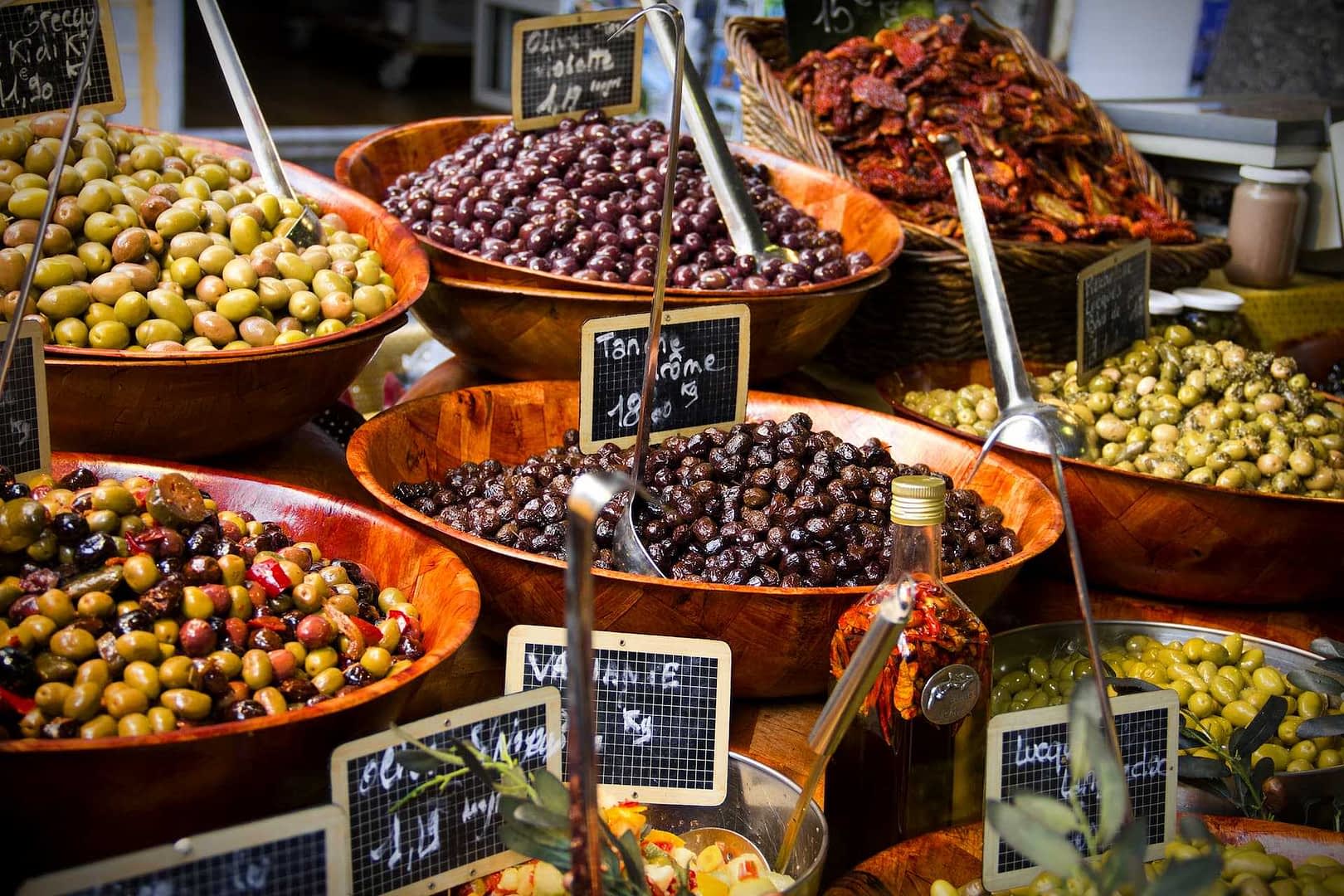
It’s All Pagan Tradition. Acrylamide in Table Olives

.

· ·May be an image of text

“Don’t dabble in it. Don’t do it for the kids. Don’t keep one and get rid of the others. It’s all pagan tradition. Who cares where it comes from? Who cares if it’s different than it once was? Who cares if it’s not as bad as something else?

It’s pagan. If you are trying to be pagan then carry on…If not then walk away. All the way.

YHWH (Our Lord) has given you many great things to celebrate. Things that actually honor Him and give Him due glory and praise. Why would you want to choose pagan things over His things? And yes it is choosing theirs over His. You can’t have both.

Either own the holidays as pagan and yourself as pagan too or else surrender them all to Yeshua and follow Him in celebrating the Holidays of YHWH.”

Question Everything”

templecrier.com/paganism

_______

Researchers Find Ways to Reduce Acrylamide in Table Olives

“A recent study conducted by Extremadura’s provincial government in Spain has identified some strategies to mitigate the presence of acrylamide during the industrial processing of black olives.

Acrylamide is a compound found in carbohydrate-rich foods after being heated. The International Agency for Research on Cancer considers the compound carcinogenic.

The study provides different strategies that, without imposing any additional cost in its manufacture, upgrade the processing of Californian-style black ripe olives by removing acrylamide from the final product.- Daniel Martín-Vertedor and Antonio Fernández, researchers, Junta de Extremadura

According to the researchers, acrylamide generation in table olives is evident in larger quantities in Californian-style black ripe olives. The compound develops as a result of oxidation after thermal sterilization occurs during the table olive production process.

The amount of acrylamide in table olives is dependent on many factors such as how olives are processed, thermal sterilization conditions, packaging methods that may or may not involve the use of brine and cooking.

The researchers conducted their study using Hojiblanca olives, a common Spanish variety with an intermediary level of acrylamide content.

By changing different phases of the production process – olive maturation stage, length of storage period and type of washing treatment – the researchers were able to lower levels of acrylamide and thus improve the quality of the table olives.

“Applying these mitigation measures at industrial scale, black table olives consumers will intake a significatively minor quantity of this toxic compound,” Daniel Martín-Vertedor and Antonio Fernández, the two lead researchers on the project, told Olive Oil Times.

“Therefore, this type of table olive elaboration can be more present in the human diet, taking advantage of the benefits of table olives,” they added.

The researchers used olives harvested at two different points of maturation: the green and yellow-green stages. Olives harvested at the yellow-green maturation stage – when they are one step closer to veraison – had higher levels of acrylamides.

Furthermore, green olives stored for 21 months presented the lowest acrylamide levels. Acrylamide levels also lowered by 18 percent when the olives were sprayed with water before rinsing. Washing the olives with water heated to 25 ºC for 40 minutes also led to a 36-percent reduction in the chemical.

However, following treatment with lye, which is commonly used to remove the compound responsible for the bitter taste of table olives, acrylamide levels increased. Pitted olives retained the lowest levels of the chemical, followed by unpitted olives and sliced olives.

The researchers further found that table olives canned in brine with higher concentrations of salt after the production process also increased the acrylamide content. However, this was not observed in olives stored in other liquids.”  More at: https://www.oliveoiltimes.com/health-news/researchers-find-ways-to-reduce-acrylamide-in-table-olives/97968

Also see: The major food sources of acrylamide are French fries and potato chips; crackers, bread, and cookies; breakfast cereals; canned black olives; prune juice; and coffee.  From: https://www.cancer.gov/about-cancer/causes-prevention/risk/diet/acrylamide-fact-sheet

__________

Monday, July 15, 2024

Lessons From A Hurricane. The Role of Taxpayer Subsidies in the Obesity Epidemic.

.

We just got power back from losing it during Hurricane Beryl!!

Lessons from A Hurricane

The most powerful and destructive storms on earth are called hurricanes, typhoons or cyclones, depending on where they occur. 

On Sept. 8, 1900, a very powerful hurricane struck Galveston, Texas, on the Gulf Coast of the United States.

The storm and the storm surge that followed destroyed more than 3,500 homes. The death toll from that storm was around 8,000, making it the worst and deadliest natural disaster in U.S. history—2.5 times deadlier than the 1906 San Francisco earthquake. 

Twenty-eight years later, on Sept. 12 and 13, the Okeechobee hurricane of 1928 plowed through the Caribbean before slamming into Florida, killing a total of 4,000 people, 2,500 of them in the U.S. In Puerto Rico alone, the storm left half a million people homeless.

In 2005, the costliest natural disaster in U.S. history hit the Mississippi and Louisiana coasts. Hurricane Katrina’s storm surge in places was 28 feet above the normal tide. In the end, Katrina was responsible for about 1,400 deaths, and caused $125 billion in damages.

To survive a hurricane or other natural disaster, it’s vital to be prepared. What should one do to be prepared? And, even more important, what spiritual lessons can you and I draw from this process?

Watch the news: Unlike a century ago, today weather satellites and radar can give warnings days in advance of the approach of a hurricane, typhoon or cyclone. Warnings go out several days before, encouraging people to prepare their properties and even evacuate if that is deemed necessary. 

Over a century ago, when the Galveston hurricane struck, it is probable that so many deaths occurred because they had so little warning. By the time they knew how big the storm was, it was too late.

How many times in Scripture are we given the admonition to watch and pray (Luke 21:36) or “take heed; see, I have told you all things beforehand” (Mark 13:23) or “I have told you before it comes” (John 14:29)?

I’ve heard prophecy described as news written in advance. One of the primary purposes of prophecy is to show in advance what will happen, so God’s people can be prepared (Amos 3:7).

Just as we have news stations showing satellite images and tracking storms, so we have prophecies providing written “storm warnings” about the events that are soon to smash through the lives of people in the end time.

Are we watching the “news” of the Bible? Or will we be like the majority of mankind, who will be surprised by the storms at the end of this age (Luke 21:34)?

Stock up on emergency supplies: Emergency preparedness includes having a supply of food that doesn’t need refrigeration, as well as drinking water, protective clothing, flashlights and batteries and, if possible, fuel. 

These are all items a family might need to survive until clean-up crews make it to them and normal utilities and services resume.

Jesus Christ made a similar spiritual point through the parable of the 10 virgins in Matthew 25. In this parable, righteousness and God’s Holy Spirit are likened to the oil needed as fuel for lamps in that time. 

When I was a boy on the farm, we always had kerosene lamps and kept extra kerosene on hand for those times when a storm would knock out power. I did homework by kerosene lamp more than once—and we were glad to have them! 

My wife and I still have some of those same old lamps—and we have spare kerosene also! Because, without oil or kerosene, your lamps are of no help in a crisis.

We are told this is the condition of the Christian who is not diligently working to repent, grow and build righteous character. A Christian must work daily to make sure his or her life is filled with and guided by God’s Spirit. 

When a crisis of faith or a heavy trial comes—and we know it will—we cannot just instantly obtain righteous character out of thin air any more than a man stranded after a storm can just instantly obtain kerosene (or flashlight batteries or food or water) out of thin air. 

Take action—NOW: With the benefit of advanced warning, government officials will begin urging residents to prepare for a storm, board up windows and gather needed supplies. 

If a storm is expected to be severe enough, evacuation warnings and orders will go out. People living in the most vulnerable areas will be urged to get out. 

Sadly, with every powerful storm, there are many people who refuse to leave their homes. With Katrina, some refused to leave until it was too late. 

They thought they were strong enough or prepared enough that they could survive what was coming. In many sad cases, they were wrong. 

Over the years I’ve heard brethren state they will start praying and studying more “after I retire” or “when the kids start school” or “after my business takes off and I don’t have to put so much time into it” or so forth. 

Others feel they are already spiritually mature and strong enough to endure whatever life may throw at them, and they don’t need anything more. Revelation 3:17 indicates this will be a problem Christians must beware of at the end of this age. 

Don’t put off prayer, Bible study and working hard to strengthen your spiritual life. Take action NOW! When the most severe crisis ever to hit mankind comes, we don’t want to be unprepared and without the spiritual resources we need to weather the storm with our faith intact!

Study this further in our online article “How to Prepare for the End Times.”

Kind regards, and have a great rest of your week,

Tom Clark, for Life, Hope & Truth

________  

The Role of Taxpayer Subsidies in the Obesity Epidemic

Transcript of the video at: https://nutritionfacts.org/video/the-role-of-taxpayer-subsidies-in-the-obesity-epidemic/

Below is an approximation of this video’s audio content. To see any graphs, charts, graphics, images, and quotes to which Dr. Greger may be referring, watch the above video.

“Why are U.S. taxpayers giving billions to support the likes of the sugar and livestock industries?

The rise in calorie surplus sufficient to explain the obesity epidemic was less a change in food quantity than in food quality, with an explosion in cheap, high-calorie, low-quality convenience foods. And the federal government very much played a role in making this happen. U.S. taxpayers give billions in subsidies to prop up the likes of the sugar industry; the corn industry and their high-fructose syrup, (HFCS); and soybean production, about half of which is processed into vegetable oil, and the other half used as cheap feed to help make dollar-menu meat. Why do taxpayers give nearly a quarter billion dollars a year to the sorghum industry? When was the last time you sat down to some sorghum? It’s almost all fed to livestock. We’ve created a pricing structure that favors the production of sugars, oil, and animal products.

The farm bill started out as an emergency measure during the Great Depression of the 1930s to protect small farmers, but was weaponized by Big Ag into a cash cow with pork barrel politics—including said producers of cows and pork. From 1970 to 1994, global beef prices dropped more than 60 percent. If it weren’t for taxpayers sweetening the pot with billions of dollars a year, high-fructose corn syrup would cost the soda industry about 12 percent more. (And then we hand them more billions through the “food stamp” program to give sugary drinks to the poor.)

Why is chicken so cheap? After one of the farm bills, corn and soy were subsidized below the cost of production for cheap animal fodder, effectively handing the poultry and pork industry about $10 billion each. That’s not chicken feed—or rather, it is!

This is changing what we eat. Thanks in part to subsidies, dairy, meats, sweets, eggs, oils, and soda were all getting relatively cheaper compared to the overall consumer food price index as the obesity epidemic took off, whereas the relative cost of fresh fruits and vegetables doubled. This may help explain why during about the same period, the percentage of Americans getting even five servings of fruits and vegetables a day dropped from 42 percent to 26 percent. Why not just subsidize produce instead? Because that’s not where the money is.

To understand what is shaping our foodscape today, it is important to understand the significance of differential profit. Whole foods, or minimally processed foods, such as canned beans or tomato paste, are what’s referred to in the food business as “commodities.” They have such slim profit margins. Sometimes they’re even sold at or below cost as “loss leaders” to attract customers in hopes they’ll also buy the “value-added” products. Some of the most profitable for producers and vendors alike are the ultra-processed fatty/sugary/salty concoctions of artificially flavored, artificially colored, and artificially cheap ingredients thanks to taxpayer subsidies.

Different foods reap different returns. Measured in profit per square foot of supermarket selling space, confectionaries like candy bars consistently rank among the most lucrative. The markups are the only healthy thing about them. Fried snacks like potato and corn chips are also highly profitable. PepsiCo’s subsidiary Frito-Lay brags that while their products represented only about 1 percent of total supermarket sales, they may account for more than 10 percent of operating profits for supermarkets, and 40 percent of profit growth.

It’s no surprise, then, that the entire system is geared towards garbage. The rise in the calorie supply wasn’t just more food, but a different kind of food. There’s a dumb dichotomy about the drivers of the obesity epidemic: is it the sugar or is it the fat? They’re both highly subsidized, and they both took off. Along with a significant rise in refined grain products that’s difficult to quantify, the rise in obesity was accompanied by about a 20 percent increase in per capita pounds of added sugars, and a 38 percent increase in added fats.

More than half of all calories consumed by most adults in the United States were found to originate from these subsidized foods, and they appear to be worse off for it. Those eating the most had significantly higher levels of chronic disease risk factors, including elevated cholesterol, inflammation, and body weight.” 

From: https://nutritionfacts.org/video/the-role-of-taxpayer-subsidies-in-the-obesity-epidemic/

_________

Sunday, May 26, 2024

Memorial Day: A Day of Remembrance. Does Grilled Meat Cause Cancer? Avoiding Cooked Meat Carcinogens.

.

Memorial Day: A Day of Remembrance

 Memorial Day: A Day of Remembrance“Memorial Day helps us remember those who have died in war. It can also help us long for the day when true peace will come to this war-torn world.

On Memorial Day Americans will honor those who died fighting in the many wars that have marked this nation’s nearly 248-year history. Flowers will be placed on the graves of the dead, and ceremonies will take place around the country to honor those who gave their lives in defense of this country.

Prayers will also be offered up for the safety of those actively serving in harm’s way.

As we honor those who sacrificed their lives in war, we might ask ourselves, will war or the threat of war always be with us?

A brief history of Memorial Day

Memorial Day was proclaimed in 1868 (three years after the Civil War) by General John Logan and was first observed on May 30 of that year when flowers were placed on the graves of Union and Confederate soldiers at Arlington National Cemetery. More Americans were killed fighting the Civil War than both world wars combined.

After World War I the holiday was changed to honor Americans who died fighting in any war. It is now celebrated on the last Monday in May.

Most have deep respect for the young men and women who willingly laid their lives on the line for the security of their families and country.

Sometimes in today’s ungodly world, it seems that there is no alternative to war.

The terrible toll of war

Though war is glorified in movies and video games, in reality it exacts a terrible toll on nations as well as individuals.

An age is coming when mankind will learn to live at peace with one another  Marriage and family life are disrupted when a soldier has to leave for months at a time. Fathers and mothers are often deprived of the joy of being with their children in the most formative years of their lives.

Bodies and minds are often scarred beyond repair by the carnage of war. Parents’ and grandparents’ hearts are torn apart by news of the sudden and tragic ending of the lives of their children and grandchildren in some far-off place.

To learn why wars occur, read “Why Does God Allow War?

Neither shall they learn war anymore

Thankfully, an age is coming when mankind will learn to live at peace with one another; when the disputes between nations will not be resolved on the battlefield, but by a just and righteous world government led by Jesus Christ, the King of Kings.

The Bible speaks of a future time following the return of Jesus Christ when there will no longer be a need for war colleges or warfare.

The World To Come Booklet“Now it shall come to pass in the latter days that the mountain of the LORD’s house shall be established on the top of the mountains, and shall be exalted above the hills; and peoples shall flow to it. Many nations shall come and say, ‘Come, and let us go up to the mountain of the LORD, to the house of the God of Jacob; He will teach us His ways, and we shall walk in His paths.’ For out of Zion the law shall go forth, and the word of the LORD from Jerusalem.

“He shall judge between many peoples, and rebuke strong nations afar off; they shall beat their swords into plowshares, and their spears into pruning hooks; nation shall not lift up sword against nation, neither shall they learn war anymore. But everyone shall sit under his vine and under his fig tree, and no one shall make them afraid; for the mouth of the LORD of hosts has spoken” (Micah 4:1-4).

The Bible also shows that the millions of young men and women who have died in wars down through the centuries will rise and live again. Their story is not over! (To learn more, read “What Are the Resurrections?”).

There are no greater truths to focus on during Memorial Day than the coming peace of the Kingdom of God and the resurrection of all those who have died through the ages!”

Watch this video presentation to learn more about the biblical hope of a better world to come at:  https://lifehopeandtruth.com/prophecy/blog/memorial-day-a-day-of-remembrance/

___________

Memorial Day: Reflections on War

“In the United States, every year in late May is the national holiday of Memorial Day. 

For many people, I suppose it is just another three-day weekend with time for outdoor activities, family gatherings and backyard barbecues.  

But the origins of this holiday are more sobering and are worth pausing to consider. 

The origins go back to the time immediately following the American Civil War (1861 to 1865) and the desire to commemorate those who died in the war.  

With American fighting American, the toll on the young nation was tremendous—over 600,000 dead before it was all over.

There were several key battles of the Civil War that were fought near where I live in Arkansas, including the Battle of Dripping Springs, the Battle of Pea Ridge and the Battle of Prairie Grove. And up around Springfield, Missouri, was the Battle of Wilson’s Creek.  

There is a small, rather old cemetery in the middle of a pasture across the road from our house.  

Some of the headstones that can still be read date back to the late 1700s, and there are a number marking the graves of young men who died in the mid 1860s—very likely killed in what is sometimes called the War Between the States.  

The observance of Memorial Day began in the mid 1860s in honor of the soldiers who died on both sides of the war. And over the years the holiday was expanded to include those who died in every war the U.S. has become involved with since.  

When I was a boy, most of my relatives called it Decoration Day, and I remember quite a few years when we spent much of the day driving from cemetery to cemetery, placing flowers on the graves of family members—not just soldiers, but all family members.

It is sobering to consider the history all around where I am privileged to live. 

From the cemetery across the road, to the sites of the battles that raged, I am reminded of the lives that were ended here. Each of those young men probably believed he was fighting for a just cause.  

And the military history of the United States is not unique. War, destruction, hatred and death have been ever-present and dominant themes throughout all human history. 

So much history, so much suffering, misery, waste and death. So many hopes and dreams destroyed; so many lives shattered. 

There is no way to know or even begin to count how many tears were shed so long ago over every one of those graves.  

It reminds me of a passage of scripture I’ve read at every funeral I’ve ever conducted.  

In speaking of the hope of the wonderful future that will come to pass, the apostle John recorded: “Behold, the tabernacle of God is with men, and He will dwell with them, and they shall be His people. God Himself will be with them and be their God. And God will wipe away every tear from their eyes; there shall be no more death, nor sorrow, nor crying. There shall be no more pain, for the former things have passed away” (Revelation 21:3-4).  

Bible prophecy is very clear that wars will continue up until the return of Jesus Christ to earth. In fact, Christ Himself warned that wars will become so intense that if the Father would not send Him back to earth when He will, all human life would be destroyed (Matthew 24:22). (Read more about how peace will come in our online article “How World Peace Will Come.”) 

Considering our human history of war and suffering should motivate us to pray more earnestly for the circumstances where we can live our faith in peace (1 Timothy 2:1-2). 

But we also have the hope of a future where our Creator will once and for all “wipe away every tear.” 

Kind regards, and have a great rest of your week,

Tom Clark, for Life, Hope & Truth

_________

Does Grilled Meat Cause Cancer?

“Studies have found that eating grilled meat or chicken may increase your risk of developing cancer.23

The problem comes down to carcinogens, cancer-causing substances which may be formed as part of the grilling process. The amino acids, sugars, and creatine in meats react at high temperatures forming heterocyclic amines.

Heterocyclic amines (HAs) are human carcinogens found on any meat cooked at high temperatures, whether on a grill or in a pan or under the broiler. The grilling is part of the problem, but the other is simply the heat. Pan-frying meats at high temperatures (over 300 F) also increases cancer risk.4

A group of chemicals called polycyclic aromatic hydrocarbons (PAHs) are also linked to cancer.5 PAHs form when the meat juices drip onto the coals or other heating surfaces and flare up in flames and smoke. They stick to meat and are only found on grilled or smoked meat.6

HAs and PAHs are mutagenic—they cause changes in the DNA of cells in the laboratory that could lead to cells becoming cancerous. The most important factor in PAH production appears to be the incomplete combustion of fats that drip on the grill.7

We don't have any direct studies on humans which show that HAs and PAHs cause cancer, but animal studies have found an increased risk of cancer in exposed animals.5 Population studies on people, in turn, have found an increased risk of some cancers in people who eat larger quantities of grilled and well-done meats.3

While most studies have focused on grilled meat and the incidence of cancer, a 2017 study found that women with breast cancer had lower survival rates if they consumed greater amounts of grilled, barbecued, or smoked meats.8

Limit Processed Meats

As for the hot dogs, you may want to take a pass. We know that, of all meats, processed meats likely confer the most cancer risk.13

Since you will already be limiting both the frequency and portion size of the meats you eat, it might be best to save those portions for cuts of non-processed meats you can genuinely savor, such as a good (but marinated) steak.

Summary

We know that high cooking temperatures and smoke put mutagenic chemicals into and onto the meat. Yet, there are several measures you can take to reduce the number of heterocyclic amines and other carcinogens in the meat you eat. These measures include marinating meat, cooking at lower temperatures, raising the grill rack, and more.

A Word From Verywell

Keep in mind that just like everything in life, moderation is key. You still can enjoy grilled meats, but just do so in moderation and when cooked at low temperatures. That said, women who have had breast cancer may want to limit the amount of grilled, barbecued, and smoked meats they consume, even if they take the measures above to reduce carcinogens.

Can eating too much grilled food cause cancer?
Yes, there is an increased risk of cancer from eating an excessive amount of grilled meat. This is due to heterocyclic amines (HAs) and polycyclic aromatic hydrocarbons (PAHs). These substances are carcinogens (cause cancer) formed as part of the grilling process.”  From: https://www.verywellhealth.com/is-grilled-meat-a-cancer-risk-514039

_______

Avoiding Cooked Meat Carcinogens

Image Credit: rhodes / Flickr. This image has been modified.

“When the muscles of mammals, fish, or birds are cooked at high temperatures carcinogenic chemicals called heterocyclic amines are created that may increase the risk of breast, colon, lung, pancreatic, and prostate cancer (see my last post Estrogens in Cooked Meat). Risky cooking methods don’t just include barbequing, frying, and grilling. Even just baking chicken at around 350o F for 15 minutes leads to significant production of these cancer-causing compounds.

In my video Estrogenic Cooked Meat Carcinogens I showed that these cooked meat carcinogens may stimulate breast cancer cell growth nearly as much as pure estrogen. In PhIP: The Three Strikes Breast Carcinogen I showed that these chemicals may promote breast cancer invasiveness even more than estrogen.

How do you decrease your exposure to these chemicals? As you can see in my 3-min. video Reducing Cancer Risk in Meateaters, fried bacon and fish are the worst, though skinless chicken breast might lead to the greatest exposure given its popularity.  If there are carcinogens in roasted chicken, what about roasted coffee? See Coffee and Cancer.

Women who consume meat very well done, appear to be at nearly 5 times higher risk for breast cancer compared to women who consumed their meats rare or medium done. This, however, raises the so-called “paradox” of preparing meat noted by the Harvard Health Letter. Well-cooked and you risk cancer; undercooked and you risk E. coli food poisoning.

Eating boiled meat—not broiled, but boiled in water—is probably the safest. Studies show if you eat meat that never goes above 212 degrees Fahrenheit, both your urine and feces damage DNA significantly less than if you eat meat dry cooked at higher temperatures.  A similar study where they compared the excretion of carcinogens formed in processed meats can be found in Prevention Is Better Than Cured Meat.

PhIP is also found in cigarette smoke, diesel fumes, and incinerator ash, but because the highest levels in food are found in common meats, toxicologists lament “Exposure to PhIP is difficult to avoid because of its presence in many commonly consumed cooked meats, particularly chicken, beef and fish.”  But if you’re able to somehow dodge those meats (and don’t suck on a cigarette, tailpipe, or incinerator smokestack) maybe it’s not so difficult to avoid after all.

The levels of heterocyclic amines flowing through one’s body may drop to zero after refraining from eating meat for just 24 hours. If you practice Meatless Mondays, by Tuesday, morning urine levels of PhIP and MeIQx—one the most potent mutagens ever tested—become undetectable. There are, however, ways even vegetarians may be exposed: cigarette smoke, eggs, cheese, and the popular sports supplement creatine. See my 4-min video Heterocyclic Amines in Eggs, Cheese, and Creatine? for details.

Caution may also be necessary with athletic protein supplementation. See Heavy Metals in Protein Powder Supplements. In general, Some Dietary Supplements May Be More Than a Waste of Money.

Heterocyclic amines are not the only class of meat carcinogens also found in cigarette smoke. See my video When Nitrites Go Bad. While the body can detox itself of both nitrosamines and these cooked meat chemicals within hours or days, some pollutants found in meat can persist in the body. See How Fast Can Children Detoxify from PCBs?”  From: https://nutritionfacts.org/blog/avoiding-cooked-meat-carcinogens/

_________

Tuesday, March 5, 2024

5 Things Christ Will Undo and Redo at His Return. Should Christians Keep Mardi Gras? How does Plant-Based Eating Benefit Your Health?

.

5 Things Christ Will Undo and Redo at His Return

5 Things Christ Will Undo and Redo at His Return “Mankind has done much damage to this earth, but God has a plan to fix man’s many mistakes. What will Christ “undo” and “redo” when He returns to earth?

As a software developer, I consider “undo” to be an essential tool, and I use it often. When making changes to software, I occasionally realize I made a mistake. The easiest way to fix that mistake is to undo the changes I made and go back and do it right. I am fortunate to use an editor that remembers changes I made even after it has been closed.

Wouldn’t life be great if we could undo our past mistakes and have a redo? Though life doesn’t provide us such an option, God has a plan that will undo the damage we humans have done to this earth, to one another and to ourselves. His plan is in motion and soon will be evident to all mankind when Jesus Christ returns to earth to establish God’s Kingdom here.

Under Christ’s perfect government, mankind will learn to “redo” life, but this time following the perfect laws of God.

Let’s consider some of the major things that will be undone and redone after Christ’s return.

1. Swords and plowshares

Undo: War between nations.

Redo: Peaceful, mutually beneficial relationships between nations.

After Christ returns, He will teach the nations His law, which is based on love Just before Christ returns to the earth, there will be a period of intense worldwide warfare when people will be beating “plowshares into swords” and “pruning hooks into spears” (Joel 3:10). This is ancient language describing implements of food production (which sustains life) being turned into implements of warfare (which destroys life).

But after Christ returns, He will teach the nations His law, which is based on love (2 John 1:6). When godly love is understood and practiced on an international level, the nations will turn “swords [back] into plowshares” and “spears [back] into pruning hooks” (Micah 4:3).

2. Food shortages

Undo: Hunger and malnutrition affecting millions of people.

Redo: An abundance of food where everyone’s needs are met.

As we covered above, after Christ returns, the nations will no longer devote their economic resources to warfare and defense, but will instead redirect their economies to food production. Christ will restore an emphasis on agriculture that will allow the nations to sustain healthy populations. The prophet Amos foresaw a world where the “plowman shall overtake the reaper” (Amos 9:13).

3. Dangerous animals

Undo: The instinctual nature in many wild animals that makes them dangerous to humans and each other.

Redo: A transformed nature of wild animals that makes them docile, tame and harmless.

In the creation described in the first two chapters of Genesis, there was perfect harmony between the animals and mankind. But when Adam and Eve sinned and were kicked out of the Garden of Eden, they found many wild animals were now hostile to human beings. Christ will change the violent natures of animals so they will dwell safety with one another and with mankind (Isaiah 11:6-9).

4. Knowledge of God

Undo: Rejection of God and His laws.

Redo: Acceptance of God and His laws in every aspect of life.

In the book of Romans, the apostle Paul described the current state of humanity as being in rebellion against God (Romans 1:28). But Christ will make God’s beneficial laws undeniable. He will lead an educational system based on the ways of God. It will eventually lead to the knowledge of God covering the earth “as the waters cover the sea” (Isaiah 11:9). The prophet Jeremiah foresaw a time when everyone will know God (Jeremiah 31:34).

5. God’s Sabbath and festivals

Undo: Ignorance of God’s Sabbath and festivals.

Redo: Knowledge and observance of the Sabbath and festivals.

Within God’s law are holy times: the weekly Sabbath (Exodus 20:8-11) and annual festivals (Leviticus 23). Not only are these days when we are to worship God, they also reveal the major stages of His plan. These days will be observed by the entire world after Christ returns (Isaiah 66:23, ZechariaThe Mystery of the Kingdom free bookleth 14:16).

This covered just a few aspects of our world that will be undone and redone after Jesus Christ returns. To learn more about this future time, download our free booklet The Mystery of the Kingdom.   From: https://lifehopeandtruth.com/prophecy/blog/5-things-christ-will-undo-and-redo-at-his-return/?

________

Should Christians Keep Mardi Gras?

Transcript of video at: https://www.ucg.org/beyond-today/beyond-today-dailys/should-christians-keep-mardi-gras

Mardi Gras has its roots in religious tradition. But what does the Bible say?

[Steve Myers] “Colorful costumes and masks and pageantry. That's all surrounding Mardi Gras. Mardi Gras is one of those traditions where...    sometimes I'll talk about the fact that it reminds me of the three Ds. There's dancing in the streets, there's drunkenness and debauchery. That kinda categorizes Fat Tuesday. That's literally what the term Mardi Gras means. Religiously it's called Shrove Tuesday because that's the day before Lent. Lent of course being more of a Catholic kind of a tradition that's rooted in pagan holidays. And what would happen at Lent is that you would give up something for Lent. And so before you give something up, you certainly want to overindulge and fatten up and, you know, get into food and drink and all those things so that you can then put that behind you and repent for the rest of this religious season.

But when you really think about the implications of that religiously, it's really ridiculous. In modern carnival traditions and celebrations all around the world and whether it's in New Orleans or Rio or Nice, France. These are areas where they'll often celebrate for weeks, leading up to that time. When we lived in New Orleans for a while, I remember they talk about Fat Tuesday, and then instead of Ash Wednesday, they'd call it Trash Wednesday because there was so much junk leftover from these Mardi Gras celebrations. Well, is that something we should have any part in? These Catholic traditions that are not really based in the Bible at all. I mean, there's a couple of interesting aspects when you consider this. I was thinking of the passage that's found in Romans 13:13. It says the basic things. As Christians it says, "Let's walk properly in the day, not in revelry or drunkenness."

Of course on TV, they'll show the parties and the fun but they don't show all of those types of things because that would certainly take away from the tourism of all those areas of the world. Romans goes on, "don't walk in lewdness and lust, not in strife and envy." And it's kind of a reminder, those are the things we should give up, but that's not good enough. This whole aspect of Mardi Gras and Lent, I think it is something that miss directs us to what the truth of God's word really is. Yes, we've got to give up lewdness and drunkenness and revelry and all those types of things that are against God's way of life. But Romans points out, it's not just about giving something up. We have to put something on and so verse 14 in Romans 13 says, "Put on the Lord Jesus Christ, make no provision for the flesh to fulfill its lust."

And so that's an important aspect of Christianity, true Christianity. We not only put off those things that are wrong, but we've got to take it a step farther. We've got to put on everything that's right. So when you begin to hear about Mardi Gras celebrations, and all of those types of things in this upcoming Lent season that this religious world will keep, remember, it's not rooted in the Bible. In fact, let it remind you of the fact we need to put off the ways of the world, but more importantly then, put on Jesus Christ.”  From: https://www.ucg.org/beyond-today/beyond-today-dailys/should-christians-keep-mardi-gras

________

How does Plant-Based Eating Benefit Your Health?

father holding broccoli high-five daughter

Whether you’re considering eating less meat or giving it up entirely, the benefits are clear: less risk of disease and improved health and well-being. Consuming less meat decreases the risk of:

Meat is often loaded with cholesterol and saturated fat, which have starring roles in poor heart health. And processed meats, including deli meat, bacon and sausage, often have too much sodium and other additives, and should be limited. However, if you want to include meat into your eating plan, choose lean meats. Be sure to include skinless poultry, seafood, fish, beans, nuts and legumes, too, because they are healthy sources of protein.

Diets or eating styles that do not or restrict meat include:

  • Vegan — entirely plant-based, excluding meat, fish, dairy, eggs, honey and any product that comes from an animal.
  • Vegetarians — a plant-based diet, but may include dairy and eggs.
  • Flexitarian — a vegetarian diet that sometimes indulges in meat or fish but mostly sticks to plant foods.
  • Plant-based — a style of cooking and eating that emphasizes plant-based foods but is not strictly limited to them. Meat may be included, but it’s usually not the main feature of the meal.

Lean protein

Not eating meat does not mean you can’t get enough protein in your diet. In fact, many people eat more than enough protein, especially from animal foods. There are plenty of other foods that can provide you with protein, such as tofu, edamame, quinoa, sorghum, lentils, chickpeas and most beans and legumes. And there are many good sources of protein from vegetables, too, including artichokes, asparagus, broccoli, Brussels sprouts, collards, corn, peppers, spinach, sweet potatoes and turnip greens. Did you know that every plant we eat has some protein in it? So, the more vegetables you eat, the more protein you’ll consume.

Not all plant-based diets are healthy

Don’t replace meats with highly processed meat substitutes or “vegan junk food.” Instead choose high-quality, nutrient-dense plant-based foods. A recent study showed that eating primarily these types of food, such as vegetables, fruits, whole grains, beans, legumes and nuts, was associated with a lower risk of death from cardiovascular diseases. The researchers concluded that even if you’ve eaten a poor diet for half your life, adding more healthy plant foods as an adult can help reduce your risk.

Making the switch

Going plant-based is not as difficult as you may think. In fact, getting started can be as easy as 1-2-3!

  1. Search for some vegetarian recipes that are easy to prepare and sound appealing to you and your family.
  2. Choose ingredients and flavors you know your family will enjoy.
  3. Try meatless Mondays! Experiment with a meatless meal once a week, then add more days as you get used to it.”          

Written by American Heart Association editorial staff and reviewed by science and medicine advisors. See our editorial

From: https://www.heart.org/en/healthy-living/healthy-eating/eat-smart/nutrition-basics/how-does-plant-forward-eating-benefit-your-health

_________

Tuesday, February 20, 2024

What Does Your Appearance Say About You? Slaves of Sin or Slaves of Righteousness? What You Should Know About Plant-Based Diets.

.

What Does Your Appearance Say About You?

What does your appearance say about you?“While sitting in a waiting room, waiting for an eye exam, an elderly gentleman walked in whose appearance caught my eye. He had a nice suit on with a very nice wool overcoat. His shoes where so shiny you could probably see yourself in them. I can assure you I did not try. I thought to myself, this guy is rich, probably a CEO. As I looked around the room, everyone else was dressed in their jeans and one lady even had holes in her jeans. When I looked at the other people in the room, and how they were dressed, I certainly was not left with the same impression as I with the immaculate dressed elderly gentleman.

It made me think about our appearance. We know that God looks at the heart, and that is what is most important. But, our appearance leaves a message in others peoples minds. What does our appearance say about us? What is the first impression that people see when they see you? Does appearance mean anything? Is your appearance modest? Do we strive to wear our very best for the occasion? The main question we should also ask is does our appearance represent God? We are representative of God in our behavior and in our dress. We should dress as Ambassadors for the coming Kingdom of God. We should dress to honor God.

You do not have to spend a lot of money to look well dressed. Many thrift or second hand stores have great clothing for a low budget. You can find great quality clothes at these second hand shops. I know after seeing this gentleman it made me want to try harder and dress better because I know our appearance projects an image of us and of God, especially if they know we are Christians.

We want our appearance to project a high quality person, a representative of God! So always remember when you get ready to go somewhere what does your and my appearance say to others and am I representing God as an Ambassador?” From: https://www.ucg.org/beyond-today/blogs/what-does-your-appearance-say-about-you#comments.  Yes, there are lots of comments to read about this, too!

_________

Slaves of Sin or Slaves of Righteousness?

Romans 6:15-16

What then? Shall we sin because we are not under law but under grace? Certainly not! Do you not know that to whom you present yourselves slaves to obey, you are that one’s slaves whom you obey, whether of sin leading to death, or of obedience leading to righteousness?

“The apostle Paul, after describing in Romans 5 the incredible sacrifice of Jesus Christ to pay the penalty of our sins and make possible the free gift of forgiveness and eternal life, saw the need to explain more fully.

We can do nothing to “earn” forgiveness or eternal life, but that doesn’t mean that God wants us to continue sinning. Obviously if God hates sin so much that He requires the death penalty for sin, He does not want us to go back to doing it. Sin causes pain and suffering and death. Obeying God’s law produces right relationships and life.

Paul points out that humans must choose whom they will serve: either sin leading to death or obedience to God’s good and righteous law, which leads to being right with God. Those are the only two choices; and as God said long before, He wants us to choose obedience and “choose life” (Deuteronomy 30:16-19).

For more about sin and God’s law, see “The 10 Commandments for Today.” From: https://lifehopeandtruth.com/bible/blog/slaves-of-sin-or-slaves-of-righteousness/?

________

What You Should Know About Plant-Based Diets

eating veggies in a buddha bowl“Learn the pros, cons and safe ways to remove meat products from your diet ​

Thinking about trying out a plant-based diet and want to know more? Here, dietitians Kate Patton, MEd, RD, CSSD, LD, and Julia Zumpano, RD, LD, explore some details that can help you decide if it’s right for you — and if so, how to jump right in.

What is a plant-based diet?

These vegan-like diets eliminate all animal products, including meat, poultry, fish, eggs, dairy and honey. As the name suggests, everything you eat — including whole grains, fruits, vegetables, legumes, nuts and seeds — is derived from plants.

Are plant-based diets healthy?

Research reflects that following a plant-based diet has significant health benefits as long as you do it correctly.

“No matter when you start, a diet that is focused on plant foods will help you work toward the prevention of many illnesses and feeling better overall,” Zumpano says.

If followed properly, a whole foods, plant-based diet limits the use of oils, added sugars and processed foods, leaving only whole foods to provide nutrition. This maximizes nutrient intake and virtually eliminates foods that can lead to poor health outcomes.

These diets are low in saturated fat, free of cholesterol, and rich in fiber, vitamins, minerals and antioxidants.

Research also reveals that following this type of diet will lower your risks of:

  • Heart disease.
  • Hypertension (high blood pressure).
  • Diabetes.
  • Digestive disease.
  • Colon and breast cancers.
  • Obesity.

Studies also show that a plant-based diet can help to lower body weight and reduce your LDL cholesterol.

The cons of a plant-based diet

Following a plant-based diet means saying goodbye to all animal products — including lean meat and dairy products such as milk, yogurt, cheese and ice cream.

“That’s easier said than done for many of us,” Patton says. “But when you have the right guidelines and wrap in changes over time, replacing animal products in your diet is possible.”

Another thing to note — if you don’t plan your plant-based diet correctly, you may not meet all your protein, vitamin and mineral needs. And you won’t feel or look your best if you develop a nutritional deficiency. But there are easy ways to make sure you’re getting the nutrients you need.

How to get enough protein

You’ll want to make sure that your diet includes enough protein to maintain muscle mass, strong bones and healthy skin. The following foods are packed with protein:

  • Beans, lentils and split peas.
  • Quinoa.
  • Fermented Soy products like tempeh, tofu, soybeans and soy milk.
  • Nuts and seeds.
How to get enough vitamins and minerals

You’ll also need to get adequate calcium and vitamin D in your diet to ensure healthy bones. This won’t be difficult if you:

  • Drink a milk alternative such as soy, almond, rice or hemp milk, which contain both calcium and the vitamin D needed to absorb it.
  • Eat plenty of dark green leafy lettuce and beans which contain calcium.
  • Eat mushrooms and fortified cereals which contain vitamin D. If you aren’t consuming fortified foods on a consistent basis you’ll need to take a vitamin D supplement. Sunlight is another source of vitamin D.

You’ll also need enough zinc in your diet to support a healthy immune system, enough iron to maintain energy and immunity and enough vitamin B12 to produce red blood cells and prevent anemia. This means you’ll want to:

  • Eat whole grains, beans and fortified cereals for zinc and iron.
  • Eat fortified cereals and soy products to get your vitamin B12.
  • Nutritional yeast is also a great source of vitamin B12.
How to get started on a plant-based diet  …………..
Continued at: https://health.clevelandclinic.org/is-a-plant-based-diet-right-for-you

__________