Showing posts with label milk. Show all posts

Wednesday, October 29, 2025

What Can We Learn From The Biblical Villains? What’s The Problem With Plastic? The Kindest Diet Is Also The Healthiest.

.

Biblical villains: What can we learn from them?

Biblical villains: What can we learn from them?'The Death of Jezebel' by Gustave Doré

“Eight of the Ten Commandments define God’s law by listing wrong actions and thinking we are to avoid. Lessons from the Bible’s villains can help us to learn how to apply God’s law. We can extract good lessons from bad examples.”

Rehoboam

“Rehoboam was the son of Solomon who initially ruled over the united kingdom of Israel in the north and Judah in the south (1 Kings 12). But when he came to power the northern 10 tribes of Israel were already restless and on the verge of seceding.

Rehoboam unwisely took the advice of his peers instead of listening to more experienced older advisors. He raised taxes, and the northern kingdom of Israel split away from the southern kingdom of Judah, resulting in the king losing far more income than all his taxes could have ever gained him. He chose poorly, and everyone suffered because of it.

The lesson to be learned from Rehoboam’s experience is to seek a multitude of counsel (Proverbs 11:14) when making important decisions, and to ask God for discernment.

Queen Jezebel

Queen Jezebel was the wife of King Ahab of the northern kingdom of Israel. She was the daughter of the king of the Phoenician city-state of Sidon and a priestess of the false god Baal (1 Kings 16:29-33), which gave her a great deal of power. She influenced Ahab to worship Baal, which often required human sacrifice, and fought against the true worship of God whenever she could, even calling for the assassination of the prophet Elijah (1 Kings 18:13; 19:2). She also schemed to have a wealthy vineyard owner murdered so that her husband could steal his land (1 Kings 21). Eventually Jezebel was thrown from a window and eaten by dogs after years of corrupting Israel and the king.

As a priestess of Baal, and trying over and over again to destroy the worship of the true God, she was attempting to hold on to and increase what she saw as her source of power. The lesson we can learn from this is not to trust in some other perceived source of power (false gods of our own making)—wealth, authority, weapons, position, etc.—in place of God. If we look to anything other than God for strength, it will ultimately fail.

Saul of Tarsus

There is also a biblical example of a man who was a villain, who then became a biblical hero teaching the truth of God for the rest of his life. His name was Saul of Tarsus, also known as the Apostle Paul. He was initially a fanatical pharisee who saw the teachings of Jesus as blasphemy and Christians as heretics. He had the authority to punish anyone he believed to be a heretic within the Jewish community, and would track them down and prosecute them to the fullest extent of the law—resulting in their imprisonment and sometimes death. He even took part in the death of Stephen “And the witnesses laid down their clothes at the feet of a young man named Saul” (Acts 7:58), while they threw rocks at Stephen until he was bludgeoned to death.

Saul continued to harass the Church and was on his way to the Jewish community in Damascus to arrest members of the faith and send them back to Jerusalem when God intervened and struck him down. Blind and helpless, Saul finally realized he was wrong and that it was futile to fight God. After his spiritual conversion, he went on to preach the truth with the same vigour with which he had previously fought against it (Acts 9). Saul the persecutor became Paul the faithful.

The lesson we can learn from the life of the Apostle Paul is that when God reveals to us we are wrong, we need to humbly respond and make the 180 degree turnaround to do what’s right.”

Beyond Today Bible Commentary (See I Kings chapters 12, 16 and 21 for more information about Rehoboam and Jezebel)

From: https://www.ucg.org/vertical-thought/bible-villains-learning-from-scriptures-bad-examples

_________

What is the problem with plastic?


“Globally, we produce a massive amount of plastic – over 380 million tons every year. It’s everywhere in our daily lives and we’ve become dependent on it. Half of all plastic produced is single-use – meaning it’s thrown away after just one use. Think bottles, bags, straws, cups, and lids. Used for just a few moments, but forever on the planet.

Virtually every piece of plastic that was ever made still exists in some shape or form (with the exception of the small amount that has been incinerated). We thought recycling was the answer but it’s not. Less than 9% of all plastic ever produced has been recycled!

What’s plastics impact?

When plastic enters the ocean, it impacts us all. It’s in the food and water we consume, it’s harming our animals and marine life, and of course, polluting our beautiful planet.

Once at sea, sunlight, wind, and wave action break down plastic waste into small particles, called microplastics. Microplastics have been found in every corner of the globe, from Mount Everest, the highest peak, to the Mariana Trench, the deepest trough. Plastic never fully biodegrades, it just breaks down into these small, toxic, pieces.

Because plastic is so prevalent, there are countless (overwhelming) statistics on its impact. Below are some key facts we feel are important to share – we encourage you to further research the plastic issue as the more aware we are of the problem, the more likely we are to become part of the solution!

Plastic By the Numbers

Millions of marine animals die each year from plastic waste alone.

Plastic pollutes at every step of its journey and it never disappears – breaking up into tiny pieces called microplastics.

Plastic is literally everywhere. It’s in our bloodstreams, the air we breathe, the food we eat, and the water we drink.

Today, more than 99% of plastic is made from fossil fuels.

Less than 9% of all plastic ever produced has been recycled.

What can you do?

Your individual actions, however small, make a difference.

Here are simple ways you can have an impact, starting today!

Say ‘No’ to Single-Use: By refusing to purchase single-use plastic you are showing the big corporations producing the plastic that you want change. Every purchase you make is a vote with your dollar.

Start Conversations: Talk with your friends, families, neighbors, and local businesses, about the plastic issue and how we all can be part of the solution.

Shop Sustainably: One of the biggest impacts you can have is to reduce the amount of plastic you use in your daily life. For almost every plastic product you use, there’s a plastic-free alternative. To help you get started, check out our sustainable products.

_________

The Kindest Diet Is Also The Healthiest.

May be an image of 1 person, steak and text that says 'THE KINDEST DIET IS ALSO THE HEALTHIEST ower cancer Vegetarians have 12% risk and vegans 24% lower cancer risk than meat-eaters, study finds 등 lenen บ้ั fana for mi e ន'

“THE TRUTH IS THAT THE FLESH, MILK & EGGS OF ANY SPECIES IS NOT THE NATURAL FOOD FOR HUMANS, & HARMS THE ANIMALS WE TAKE IT FROM

...and it harms those that still consume animal products, so many have proven this

...an analysis of 79,468 North American Seventh-day Adventists in the Adventist Health Study-2 found that vegetarians had a 12% lower risk of all cancers combined

...and vegans had a 24% lower risk compared to flesh and dairy eaters, showing that dairy is also harmful to our health...the study tracked participants for almost eight years, matching cancer cases to state and provincial registries.

...it found that reduced risk was strongest for colorectal, stomach and lymphoproliferative cancers, with vegan diets showing notable protection against breast cancer in younger women.

...and dairy is also harmful to the mothers we steal it from, as the female cows that are constantly forcibly impregnated die 14 years early because of the abuse of their reproductive powers...and they cry for their babies taken from them so their milk can be stolen, leaving them heart broken.

...those babies are put alone in crates and force fed GMOed replacement and if they are male they are killed within weeks for vile veal.

...while the females are forced to become dairy slaves within months, and abused like their mothers were.

...THERE IS NO REASON TO BE CRUEL & STEAL THE FLESH, EGGS & MILK OF OTHER BEINGS, A PLANT BASED DIET IS THE ONE THAT IS NATURAL FOR US -- Animal Freedom Fighter

The China Study puts the vegan numbers way higher. Check it out!”

_________

Thursday, May 1, 2025

Is The Spirit World Real? 19 Foods Banned Abroad, But Not in America.

.

Is the spirit world real?

Is the spirit world real?“In Western cultures today there is a growing fascination with the occult and Satanism, despite the traditional Christian teaching that Satan represents consummate evil.

(Photo: Envato)

If we believe the Bible, we know Satan is not only very real and powerful, but God clearly commands us not to get involved with him or the occult. However statistics show Satanism and Wicca are among the fastest-growing religions in the western world. A increasing number of people deny Satan, demons and a spirit world exist, and therefore regard participating in Wicca or Gothic culture as a harmless expression of personal taste.

The Internet is a ready source of "how-to" information for those interested in Satanism, Wicca or other aspects of Gothic culture. There are also a growing number of movies focussing on witchcraft, demonism and any number of "horror" themes. Books can also be checked out of the public libraries on how to cast spells or how to be a witch. Add to this tarot cards, Ouija boards, palm readers and psychic hotlines.

Wicca, from an Old English word for “witch,” incorporates many of the trappings of ancient British witchcraft practices. It is an umbrella group or movement that gathers under its fold very different beliefs and practices— but is at its core a thinly disguised type of old-fashioned witchcraft. We should not consult with people associated with these spirits in spite of any stated intentions to help us. God’s Word is clear: “Give no regard to mediums and familiar spirits; do not seek after them, to be defiled by them: I am the Lord your God” (Leviticus 19:31).

The Bible reveals Satan is a very real spirit being, who was originally created as "Lucifer," which means "light bringer." In the beginning of God’s creation there was no sin, evil, or disharmony, until Lucifer chose to rebel against his Creator (Isaiah 14:12-15). Ezekiel wrote of him, saying, "You were perfect in your ways from the day you were created, till iniquity was found in you" (Ezekiel 28:15).

When this very first sin took place, Lucifer, whose name was then changed to Satan (which means "adversary"), convinced a number of the angels to rebel against God with him. Together they fought God and lost. Satan and the rebellious angels, now known as demons, have been restrained on earth since that time (Job 1:7). Instead of being the "light bringer," Satan came to be known as a ruler of darkness (Ephesians 6:12).

Satan and his demons have not given up their goal of trying to destroy whatever God creates, as we can see by the example of Adam and Eve (Genesis 3:1-6). They cannot take control of a human being against his or her will, but we can inadvertently allow ourselves to be influenced. When Israel came into the Promised Land, God warned them not to allow anyone to practice witchcraft, cast spells or try to talk with the dead (Deuteronomy 18:9-14). Put in terms of today's practices, this would include tarot cards, Ouija boards, palm reading, horoscopes and psychics. It would also include filling our minds with music, books and movies about the occult.

In Matthew 4 we read Satan even tried to get Jesus Christ to fall for his perverted reasoning. After showing Him all the kingdoms of the earth and their wealth and power, Satan said, "All these things I will give You if You will fall down and worship me" (Matthew 4:9).

Perhaps the most powerful way in which Satan influences human beings is through his power to broadcast attitudes, and from this no one is immune. He is described as the "prince of the power of the air" (Ephesians 2:2). The devil cannot make us do anything, but he can make something sound or feel so appealing that you are willing to choose to do it. In Ephesians 6:12 (NIV) we are told: "For our struggle is not against flesh and blood, but against the rulers, against the authorities, against the powers of this dark world and against the spiritual forces of evil in the heavenly realms."

We struggle with ourselves, with the unrighteous influences of our society and with the powerful attitudes and temptations presented to us by Satan and his demons. Temptation worked effectively against Adam and Eve, and it can work just as effectively against us. The Apostle James gives very solid instruction about how to resist Satan and his influences: "Therefore submit to God. Resist the devil and he will flee from you. Draw near to God and He will draw near to you. Cleanse your hands, you sinners; and purify your hearts, you double-minded" (James 4:7-8).

We must come to know God through prayer and Bible study and learn to think as He does (Psalm 51:10). We are told to resist the devil, and remove ourselves from situations and activities that promote witchcraft and the occult.”

From:   https://www.ucg.org/vertical-thought/is-the-spirit-world-real

_________

19 Foods Banned Abroad, But Not in America

“If "you are what you eat" is true, what does that say about America's eating habits? Numerous popular American dishes are packed with potentially harmful ingredients, leading to bans in other nations. Discover 19 American favorites that have been rejected worldwide. 

1. Froot Loops

Banned in: France, Austria, Norway and Finland

Why it's banned: A glance at Kellogg's Froot Loops' ingredients might explain why the colorful cereals of our childhood are banned in many European countries.

The American breakfast staple is packed with food dyes such as yellow 5 and red 40, which are considered harmful. Many scientific studies link these artificial colors with the inhibition of cell development.

The sugary cereal also contains soybean,  cottonseed oil, and hydrogenated coconut — all considered dangerous and banned in the above mentioned countries.

2. US chicken

Banned in: European Union

Why it's banned: Chlorine-washed chicken doesn't sound very appetizing, does it?

In the U.S, the chicken is routinely washed in a chlorine solution before it is market ready.

This antimicrobial treatment reduces the possibility of salmonella contamination and other bacteria that can lead to foodborne illness. This is also the main reason the European Union has had a ban on American chicken since 1997.

The EU is not concerned about chlorine consumption per se. Rather, it questions why the chicken must go through deep cleaning in the first place. The EU thinks there should be a "high level of safety throughout the food chain, from farm to fork," not only cleaning the meat heavily at the end of the process to compensate for insufficient hygiene standards earlier.

3. Mountain Dew

Banned in:  The European Union and Japan

Why it's banned: We all know Mountain Dew is not the healthiest of drinks. But, if you still “do the Dew,” you might want to know the lemon-lime drink contains Brominated Vegetable Oil (BVO).

This food additive banned in Japan and the European Union contains bromine, the element found in flame retardants.

According to CDC, the consumption of bromine can lead to a number of health problems such as headaches, memory loss, and impaired balance and coordination. It’s also bad for the skin.

PepsiCo announced in 2014 that the dangerous chemical would be removed from its soft drinks. However, BVO wasn't removed from Mountain Dew's list of ingredients until 2020.

4. US milk

Banned in: Australia, New Zealand, Canada, Japan, and the EU

Why it's banned: Got rBGH? That's what Europe, Canada, and many other countries are asking about milk produced in the United States, where dairy cows are fed with a synthetic man-made growth hormone rBGH to increase milk production.

Developed by the agricultural biotech corporation Monsanto, recombinant bovine growth hormone rBGH, also known as rBST, was approved by the Food and Drug Administration (FDA) in 1993, allowing companies to produce vast amounts of cheaper milk in awful conditions at factory farms.

As one could imagine, drinking hormone-enriched milk cannot be the healthiest option. Studies have found that cows treated with rBGH produce milk that contains elevated levels of insulin-like growth factor-1 (IFG-1), which can increase the risk of breast cancer and other cancer types.

Luckily, according to a 2014 report by the USDA, the practice is decreasing as only 9.7 percent of U.S. dairy operations were using rbGH.

Still is highly recommended to stick with organic milk or one that says "does not contain rBGH.

5. Farmed salmon

Banned in: Austria and New Zealand

Why it's banned: Salmon is a go-to meal for many Americans, who enjoy the meaty flavor and health benefits of the omega-3-packed fish. However, the bad news here is there is a big chance that the salmon you are eating is farmed-raised.

Around two-thirds of salmon eaten by U.S. consumers comes from farms, and the other third is wild-caught. Salmon farming has long been scrutinized by sustainability advocates because of the harsh conditions in which the fish are raised.

Farm-raised salmon are kept in crowded cages and are fed with fed processed fish feed and all kinds of dangerous chemicals like methyl mercury and dioxins. Additionally, the fish are given a lot of antibiotics and other drugs that are not safe for humans to consume.

6. Maraschino cherries

Banned in: Norway, Finland, France, Austria, the U.K

Why it's banned: It turns out America's favorite cocktail garnish is actually a forbidden fruit in some countries.

Maraschino cherry, the syrupy sweet fruit, was invented during the Prohibition era to garnish virgin cocktails. Actually, the American maraschino cherry is an imitation of a Croatian delicacy made of Marasca cherries.

What the American version of the sweetened cherry has extra is the artificial food dye Red #40 to give that picture-perfect touch. Red #40 is one of the most widely used food dyes, as well as one of the most controversial. The dye is thought to be linked to allergies, migraine, and mental disorders in children.

7. US apples

Banned in: the European Union

Why it's banned: While apples are supposed to keep the doctor away, that's not exactly the case for those produced in the U.S.

American apples are treated with diphenylamine (DPA), a potentially carcinogenic compound used to keep the fruit from turning brown. It's this chemical that gives the apples you see in the supermarket that glow.

European food safety regulators banned the fruit in 2014 because the chemicals have been linked to various cancers.

Now, how do you like them apples?

8. Little Debbie Swiss Rolls

Banned in: Norway and Austria

Why it's banned: Little Debbie's smiling face isn't welcome in some countries, as the tasty snack contains food dyes that are a big no-no.

Little Debbie's Swiss Rolls contain artificial food color dyes yellow 5 and red 40, which are considered to be carcinogenic.

The European Union requires products with these dyes to include warning labels saying "the coloring agents may have an adverse effect on activity and attention in children." But come, countries like Norway and Austria just outright banned the snack.

In the United States, no such warning is required.

9. US breakfast cereal brands

Banned in: Japan, the European Union

Why it's banned: Breakfast may be the most important meal of the day, but not if you are having cereals like Rice Krispies, Honey Bunches of Oats and Frosted Flakes.

These breakfast cereals brands contain Butylated hydroxytoluene, or BHT, a lab-made flavor enhancer that has carcinogenic properties. It's banned in Japan and the European Union.

A number of processed foods, such as chewing gum and frozen foods, contain this preservative.

9. Instant mashed potatoes

Banned in: the Europe Union, Japan, Australia

Why it's banned: This one is easy. It's mashed potatoes in a box. Of course, there is something off.

Instant Mashed Potatoes like Hungry Jack come with a side of Butylated Hydroxyanisole (BHA). This preservative is also found in rubber and wax food packaging. So, it's definitely not something you would want in your body.

Although it's widely used in the U.S., it's banned in Japan, Australia, and the European Union, because it has been linked with cancer.

10. US prepackaged ground beef

Banned in: the European Union

Why it's banned: Pink slime is definitely not something you want in your burger. Yet, there is a good chance that the prepackaged ground beef you bought for your next barbecue contains pink slime.

According to an ABC News exposé from 2012, around 70% of ground beef sold in U.S. supermarkets contained pink slime - a meat by-product used as a filler in ground beef to reduce fat content.

If you are wondering "what’s the beef?" with pink slime, it is prepared with ammonia gas, an anti-microbial agent which is dangerous for consumption.

The FDA approved the pink goo for human consumption in the U.S. back in 2001.

11. Ritz Crackers

Banned in: Switzerland, Austria, Hungary, Iceland, Norway and Denmark.

Why it's banned: Ritz crackers are a must-have for any cheese board, right? Well, in Europe, you’ll have to look for a different brand as the salty snack is nowhere to be found.

Apparently, Ritz crackers contain high levels of sodium—hydrogenated cottonseed oil, a trans fat associated with cardiovascular diseases.

The FDA has actually deemed these types of oils to be "not generally recognized as safe," but certain loopholes allow them to continue to be used in products.

12. US pork

Banned in: the European Union, Russia, and China

Why it's banned: If you were wondering why pigs in the U.S. are much bigger than those in the rest of the world, ractopamine is your answer.

American pigs are given ractopamine, an animal feed additive used to speed up weight gain and increase carcass leanness in finishing swine.

The additive is linked to major health issues both in animals and humans, explaining why it is banned in more than 160 countries.

Next time you are craving some pork chops, opt for organic meat. (Or eat beef!)

13. Coffee-mate

Banned in: Austria, Hungary, and multiple Scandinavian countries,

Why it's banned: Shelf-stable coffee creamer that can make your coffee taste like vanilla or caramel maybe sounds perfect, but don’t expect to find it in Europe.

Creamers like Coffee Mate are generally made from sugar, stabilizers and bunch of flavorings. However, what makes the product a big no-no in several European countries are hydrogenated soybean and cottonseed oils found in this non-dairy product

Hydrogenated oils are packed with trans fats. Many studies have shown that trans fat is the worst type of fat because it raises bad cholesterol and lowers good cholesterol, increasing the risk of heart disease, diabetes, heart attack, and stroke.

So, take your coffee black next time.

14. Drumstick ice cream

Banned in: the European Union

Why it's banned: Don't expect to find Nestle's drumstick ice cream anywhere in Europe. The product has been banned for containing a sneaky ingredient within its cone, and it's not extra chocolate filling.

The famous ice cream treat contains carrageenan, a seaweed-derived thickening agent used to extend the shelf life of consumer products.

This food additive has been linked with inflammation and possibly cancer.

15. Skittles

Banned in: Norway and the European Union

Why it's banned: Many of us grew up eating Skittles. But we didn't know that while tasting the rainbow we were also eating food dyes and other harmful additives.

Artificial colors yellow 5 and yellow 6 are among the listed ingredients of the childhood-favorite snack. These food dyes are often linked with hyperactivity in children and allergic reactions. On top of the food dyes, the colorful candy contains another iffy ingredient that has led to its ban in the European Union in 2022.

Titanium dioxide is an additive used in consumer products to enhance opacity and brightness. The International Agency for Research on Cancer IARC classified titanium dioxide as possibly carcinogenic to humans after studies showed the substance caused more lung tumors in rats.

As a result, Europeans from now on will be tasting the duller-hued rainbow of Smarties.

16. Hawaiian papaya

Banned in: the European union

Why it's banned: Hawaiian Papaya was genetically engineered to resist the ringspot virus, which destroyed U.S. crops in the 1990s.

Although there are many debates about whether or not genetically engineered produce is safe, the European Union isn't taking any chances, making genetically engineered papaya a forbidden fruit.

17. Twinkies

Banned in: ​​ Norway, Finland, and Austria.

Why it's banned: This one is not a shocker as, well. This ultra-processed sponge cake contains yellow 5 coloring to give it its distinctive golden hue.

Yellow 5 coloring has been linked to allergic reactions such as hives, itching, coughing, and vomiting.

Food dyes that contain these dyes are required to carry warning labels in the EU, but countries such as Finland, Norway, and Austria have decided not to take that risk.

18. Arby's sourdough breakfast bread, croissant, and French toast sticks

Banned in: India, the UK, the European Union

Why it's banned: A tasty Arby's roast beef has tempted even those with the strongest willpower. Traveling abroad, however, will not require willpower, as many countries have banned the savory sandwiches.

Arby's American-style bread is banned in some countries because of a toxic ingredient the fast food chain uses in its baked goods.

Azodicarbonamide, or ACA  is a whitening agent that forms bubbles in foam or vinyl, to lighten and leaven the dough.

Despite concerns that it's a carcinogen, the FDA still permits its use in the U.S.

19. Stove Top stuffing

Banned in: the United Kingdom, Japan, and several European countries.

Why it's banned: Kraft Stove Top stuffing is a go-to choice for a quick weeknight dinner. But, the problem is the stuffing contains a combination of beta-hydroxy acid (BHA) and butylated hydroxytoluene (BHT).

Both preservatives are suspected to be carcinogenic and impair blood clotting.

That’s why the product is banned in the United Kingdom, Japan and some European countries.”

This article was produced and syndicated by MediaFeed.  See original with pictures at:  https://www.aol.com/lifestyle/19-foods-banned-abroad-not-135700980.html

_________

Tuesday, February 20, 2024

What Does Your Appearance Say About You? Slaves of Sin or Slaves of Righteousness? What You Should Know About Plant-Based Diets.

.

What Does Your Appearance Say About You?

What does your appearance say about you?“While sitting in a waiting room, waiting for an eye exam, an elderly gentleman walked in whose appearance caught my eye. He had a nice suit on with a very nice wool overcoat. His shoes where so shiny you could probably see yourself in them. I can assure you I did not try. I thought to myself, this guy is rich, probably a CEO. As I looked around the room, everyone else was dressed in their jeans and one lady even had holes in her jeans. When I looked at the other people in the room, and how they were dressed, I certainly was not left with the same impression as I with the immaculate dressed elderly gentleman.

It made me think about our appearance. We know that God looks at the heart, and that is what is most important. But, our appearance leaves a message in others peoples minds. What does our appearance say about us? What is the first impression that people see when they see you? Does appearance mean anything? Is your appearance modest? Do we strive to wear our very best for the occasion? The main question we should also ask is does our appearance represent God? We are representative of God in our behavior and in our dress. We should dress as Ambassadors for the coming Kingdom of God. We should dress to honor God.

You do not have to spend a lot of money to look well dressed. Many thrift or second hand stores have great clothing for a low budget. You can find great quality clothes at these second hand shops. I know after seeing this gentleman it made me want to try harder and dress better because I know our appearance projects an image of us and of God, especially if they know we are Christians.

We want our appearance to project a high quality person, a representative of God! So always remember when you get ready to go somewhere what does your and my appearance say to others and am I representing God as an Ambassador?” From: https://www.ucg.org/beyond-today/blogs/what-does-your-appearance-say-about-you#comments.  Yes, there are lots of comments to read about this, too!

_________

Slaves of Sin or Slaves of Righteousness?

Romans 6:15-16

What then? Shall we sin because we are not under law but under grace? Certainly not! Do you not know that to whom you present yourselves slaves to obey, you are that one’s slaves whom you obey, whether of sin leading to death, or of obedience leading to righteousness?

“The apostle Paul, after describing in Romans 5 the incredible sacrifice of Jesus Christ to pay the penalty of our sins and make possible the free gift of forgiveness and eternal life, saw the need to explain more fully.

We can do nothing to “earn” forgiveness or eternal life, but that doesn’t mean that God wants us to continue sinning. Obviously if God hates sin so much that He requires the death penalty for sin, He does not want us to go back to doing it. Sin causes pain and suffering and death. Obeying God’s law produces right relationships and life.

Paul points out that humans must choose whom they will serve: either sin leading to death or obedience to God’s good and righteous law, which leads to being right with God. Those are the only two choices; and as God said long before, He wants us to choose obedience and “choose life” (Deuteronomy 30:16-19).

For more about sin and God’s law, see “The 10 Commandments for Today.” From: https://lifehopeandtruth.com/bible/blog/slaves-of-sin-or-slaves-of-righteousness/?

________

What You Should Know About Plant-Based Diets

eating veggies in a buddha bowl“Learn the pros, cons and safe ways to remove meat products from your diet ​

Thinking about trying out a plant-based diet and want to know more? Here, dietitians Kate Patton, MEd, RD, CSSD, LD, and Julia Zumpano, RD, LD, explore some details that can help you decide if it’s right for you — and if so, how to jump right in.

What is a plant-based diet?

These vegan-like diets eliminate all animal products, including meat, poultry, fish, eggs, dairy and honey. As the name suggests, everything you eat — including whole grains, fruits, vegetables, legumes, nuts and seeds — is derived from plants.

Are plant-based diets healthy?

Research reflects that following a plant-based diet has significant health benefits as long as you do it correctly.

“No matter when you start, a diet that is focused on plant foods will help you work toward the prevention of many illnesses and feeling better overall,” Zumpano says.

If followed properly, a whole foods, plant-based diet limits the use of oils, added sugars and processed foods, leaving only whole foods to provide nutrition. This maximizes nutrient intake and virtually eliminates foods that can lead to poor health outcomes.

These diets are low in saturated fat, free of cholesterol, and rich in fiber, vitamins, minerals and antioxidants.

Research also reveals that following this type of diet will lower your risks of:

  • Heart disease.
  • Hypertension (high blood pressure).
  • Diabetes.
  • Digestive disease.
  • Colon and breast cancers.
  • Obesity.

Studies also show that a plant-based diet can help to lower body weight and reduce your LDL cholesterol.

The cons of a plant-based diet

Following a plant-based diet means saying goodbye to all animal products — including lean meat and dairy products such as milk, yogurt, cheese and ice cream.

“That’s easier said than done for many of us,” Patton says. “But when you have the right guidelines and wrap in changes over time, replacing animal products in your diet is possible.”

Another thing to note — if you don’t plan your plant-based diet correctly, you may not meet all your protein, vitamin and mineral needs. And you won’t feel or look your best if you develop a nutritional deficiency. But there are easy ways to make sure you’re getting the nutrients you need.

How to get enough protein

You’ll want to make sure that your diet includes enough protein to maintain muscle mass, strong bones and healthy skin. The following foods are packed with protein:

  • Beans, lentils and split peas.
  • Quinoa.
  • Fermented Soy products like tempeh, tofu, soybeans and soy milk.
  • Nuts and seeds.
How to get enough vitamins and minerals

You’ll also need to get adequate calcium and vitamin D in your diet to ensure healthy bones. This won’t be difficult if you:

  • Drink a milk alternative such as soy, almond, rice or hemp milk, which contain both calcium and the vitamin D needed to absorb it.
  • Eat plenty of dark green leafy lettuce and beans which contain calcium.
  • Eat mushrooms and fortified cereals which contain vitamin D. If you aren’t consuming fortified foods on a consistent basis you’ll need to take a vitamin D supplement. Sunlight is another source of vitamin D.

You’ll also need enough zinc in your diet to support a healthy immune system, enough iron to maintain energy and immunity and enough vitamin B12 to produce red blood cells and prevent anemia. This means you’ll want to:

  • Eat whole grains, beans and fortified cereals for zinc and iron.
  • Eat fortified cereals and soy products to get your vitamin B12.
  • Nutritional yeast is also a great source of vitamin B12.
How to get started on a plant-based diet  …………..
Continued at: https://health.clevelandclinic.org/is-a-plant-based-diet-right-for-you

__________

Sunday, October 22, 2023

Does God Have A Plan For My Life? Are We in the Last Days? Why Milk Is Bad For You And Your Bones.

.

Does God Have A Plan For My Life?

A man walking on the Brooklyn Bridge.

Nirmal Rajendharkumar/Unsplash

“One of the top verses searched for on the Internet is Jeremiah 29:11. Why?

What we think would be a great plan for our life may not be what our Father has planned. And it may not be in our best interest.

People use the search bar of their Internet browsers to look up answers for information on every topic imaginable. Its also a very popular way of searching for biblical scriptures.

One of the top verses searched is Jeremiah 29:11: "For I know the thoughts that I think toward you, says the Lord, thoughts of peace and not of evil, to give you a future and a hope."

Why is this verse sought out, searched for and quoted so often?

Jeremiah 29:11 touches upon two powerful desires of the human mind and heart:

1. We want reassurance that God has a plan and purpose for human life. In fact, the very popular New International Version translation reads: "I know the plans I have for you..."

2. We want reassurance God has blessings in store for us.

The verse provides great comfort by confirming that God does indeed have a plan for our life, and that His plan includes wonderful blessings.

But this verse is short on details as to what our Creator's plan entails and what sort of blessings He has in store for us. It is all to easy to take a verse like this and fill in the details on these two points with our own hopes and desires.

What we think would be a great plan for our life may not be what our Father has planned. And it may not be in our best interest. Likewise, our idea of how we would prefer to be blessed may not be the same as what He has mind, and may not help shape us into the sort of person that fits into "the plan."

God plainly tells us that He thinks differently than we do. In Isaiah 55:8-9 we read "'For my thoughts are not your thoughts, neither are your ways my ways,' declares the LORD. 'As the heavens are higher than the earth, so are my ways higher than your ways and my thoughts in your thoughts.'"

Is it possible to know details about God's plan?

Yes, you can know God's amazing plan for your life because it is spelled out in the pages of your own Bible. And you might be surprised that what you actually find in the pages of the Bible is different from what you have been told is there.

To gain deeper understanding of the plan God has for your life, request our free Bible study aid: "Why Were You Born?"

This small but important booklet will carefully walk you through what the scriptures really say about the plans God has in mind for you, plans for good outcomes and a positive future.”  From: https://www.ucg.org/bible-study-tools/bible-questions-and-answers/does-god-have-a-plan-for-my-life?

________

Are We in the Last Days?

Are We in the Last Days?“Many believe the world will go on indefinitely as it always has, but what does the Bible say? Will there be a set of last days? When will the last days be?

Many people would likely back away from you if you were to say that humanity is now in the last days approaching the end of the age spoken of in the Bible.

The book of Revelation focuses on a time when a conglomeration of nations will be united under a government led by two individuals known as the beast and the false prophet, who will capture the hearts and minds of hundreds of millions of people through spectacular miracles, such as calling down fire from heaven. Their reign and existence will ultimately end at Jesus Christ’s second coming (Revelation 17-19).

The period of time when these and other end-of-the-world prophecies will be fulfilled is sometimes called “the last days.”

It’s a time that God’s servants have eagerly anticipated for thousands of years, but for nonbelievers it’s a target for laughter and mockery and simply more reason to believe that Christians are just fanatics who believe in apocalyptic fiction. 

But are those last days real?    More relevant: Are you now living in those last days?

What does the Bible mean by last days? 
Continued at: https://lifehopeandtruth.com/prophecy/end-times/last-days/?

_________

Debunking The Milk Myth: Why Milk Is Bad For You And Your Bones

“Did you know that in Medieval England parents would tie rabbits' feet around their babies’ necks to ward off illness? Doctors would also spit on wounds because saliva was believed to have healing properties.

Indeed, history is replete with unfounded health beliefs, and to everyone’s detriment, the milk myth is among the most tenacious.

Milk is much more than just a drink; it’s a cultural phenomenon that can be traced back thousands of years. And still today, the milk myth resonates loud and clear: in 2001, the average American child consumed 104 quarts of cow’s milk.

Milk depletes the calcium from your bones

The milk myth has spread around the world based on the flawed belief that this protein and calcium-rich drink is essential to support good overall health and bone health in particular at any age. It is easy to understand that the confusion about milk's imaginary benefits stems from the fact that it contains calcium – around 300 mg per cup.

But many scientific studies have shown an assortment of detrimental health effects directly linked to milk consumption. And the most surprising link is that not only do we barely absorb the calcium in cow’s milk (especially if pasteurized), but to make matters worse, it actually increases calcium loss from the bones. What an irony this is!

Here’s how it happens. Like all animal protein, milk acidifies the body pH which in turn triggers a biological correction. You see, calcium is an excellent acid neutralizer and the biggest storage of calcium in the body is – you guessed it… in the bones. So the very same calcium that our bones need to stay strong is utilized to neutralize the acidifying effect of milk. Once calcium is pulled out of the bones, it leaves the body via the urine, so that the surprising net result after this is an actual calcium deficit.

Knowing this, you’ll understand why statistics show that countries with the lowest consumption of dairy products also have the lowest fracture incidence in their population (there’s more on this later).

But the sad truth is that most mainstream health practitioners ignore these proven facts. I know it firsthand because when I was diagnosed with osteoporosis, my doctor recommended that I drink lots of milk in addition to taking Fosamax.

Fortunately, I did neither, because I knew that…

Cow’s milk is custom-designed for calves

Thanks to our creative ingenuity and perhaps related to our ancient survival needs, we adopted the dubious habit of drinking another species’ milk. Nobody can dispute that cow’s milk is an excellent food source for calves. Weighing around 100 pounds at birth, a calf typically gains approximately eight times its weight by the time it is weaned. But unlike humans, once calves are weaned, they never drink milk again. And the same applies to every mammalian species on this planet.

Also, each mammalian species has its own “designer” milk, and cow’s milk is no exception. For example, cow’s milk contains on average three times the amount of protein than human milk which creates metabolic disturbances in humans that have detrimental bone health consequences.

It's important to bear in mind that mother’s milk is excellent nourishment for human babies, but its composition is very different from cow’s milk.

Scientific studies show that milk increases fracture risk

Many scientific studies contradict the conventional wisdom that milk and dairy consumption help reduce osteoporotic fractures. Surprisingly, studies demonstrating that milk and dairy products actually fail to protect bones from fractures outnumber studies that prove otherwise. Even drinking milk from a young age does not protect against future fracture risk but actually increases it. Shattering the “savings account” calcium theory, Cumming and Klineberg report their study findings as follows:

“Consumption of dairy products, particularly at age 20 years, was associated with an increased risk of hip fracture in old age. (“Case-Control Study of Risk Factors for Hip Fractures in the Elderly”. American Journal of Epidemiology. Vol. 139, No. 5, 1994).1

And the 12 year long Harvard Nurses' Health Study found that those who consumed the most calcium from dairy foods broke more bones than those who rarely drank milk. This is a broad study based on 77,761 women aged 34 through 59 years of age.

In the authors’ own words:

“These data do not support the hypothesis that higher consumption of milk or other food sources of calcium by adult women protects against hip or forearm fractures.” (Source: Feskanich D, Willett WC, Stampfer MJ, Colditz GA. Milk, dietary calcium, and bone fractures in women: a 12-year prospective study. American Journal of Public Health. 1997).2

Shocking statistics ignored by mainstream medicine

In the Osteoporosis Reversal Program one of the topics I discuss is the complete disregard of scientific evidence that discredits milk and dairy products as the best source of calcium.

One exception is Amy Lanou Ph.D., nutrition director for the Physicians Committee for Responsible Medicine in Washington, D.C., who states that:

“The countries with the highest rates of osteoporosis are the ones where people drink the most milk and have the most calcium in their diets. The connection between calcium consumption and bone health is actually very weak, and the connection between dairy consumption and bone health is almost nonexistent.”

Surprised? You shouldn’t be, because as I mentioned earlier in this article…

Milk is an acidifying animal protein

Like any other animal derived protein-rich food, milk has a positive potential renal acid load (PRAL) which triggers a protective biological reaction to neutralize all the damaging acidic protein before it reaches the kidneys.

The body is designed for survival, so it sacrifices bone density to protect the kidneys and urinary tract because the latter are essential to survival. And the most readily available source of acid neutralizer is in the bones. So even though milk contains calcium, it ends up sapping your bones of that crucial mineral. But that’s not all because…

Today’s milk is a processed food

Until the end of the 19th century in Europe and the beginning of the 20th century in the US, milk was consumed unpasteurized or raw. Later on, homogenization became the industry’s standard. These processes further alter milk’s chemistry and actually increase its detrimental acidifying effects.

Raw milk advocates claim that if cow’s milk is left “as is” it is a healthy and wholesome drink. It is true that raw milk is less acidifying than processed milk and that pasteurization and homogenization may cause a long list of digestive and other health problems, but I still don’t recommend drinking any kind of cow’s milk.

Nowadays, milking cows are given antibiotics and most are also injected with a genetically engineered form of bovine growth hormone (rBGH). A man-made or synthetic hormone used to artificially increase milk production, rBGH also increases blood levels of the insulin-growth factor 1 (IGF-1) in those who drink it. And higher levels of IGF-1 are linked to several cancers.

This should not be ignored, especially in view of recent information by Samuel Epstein, MD, Professor of Environmental Medicine at the University of Illinois School of Public Health, and Chairman of the Cancer Prevention Coalition. In a press release titled “Monsanto's Hormonal Milk Poses Serious Risks of Breast Cancer, Besides Other Cancers” (June 21, 1998) Dr. Epstein concludes that:

“Drinking rBGH milk would thus be expected to significantly increase IGF-1 blood levels and consequently to increase risks of developing breast cancer and promoting its invasiveness.”

Even though organic milk is from cows that are not given antibiotics or rBHG, if you truly care about your bone health and your overall health, you should…

Avoid drinking cow’s milk

As I explain in the Osteoporosis Reversal Program and contrary to mainstream recommendations, drinking milk and eating lots of dairy products are not the answer to reversing osteoporosis. And while in the Osteoporosis Reversal Program no food is completely off limits, I strongly recommend that you explore the different milk substitute options that I will list for you here.

But first, I’d like to clarify that unsweetened fermented or cultured dairy products such as yogurt, kefir, and sour cream are acid neutral. Yogurt in particular is chock-full of beneficial qualities. As is the case with milk, organic yogurt does not have rBGH, but even several of the most well-known yogurt brands have stopped using the bovine growth hormone (rBGH). You should call your favorite yogurt company to confirm. One more clarification: when I say unsweetened I mean without sugar or any artificial sweetener. However, you can add honey or stevia, a zero calorie plant-derived sweetener that is delicious and alkalizing as well. I like to carry around stevia packets in my purse so that I'm always able to sweeten food or drinks when I'm on the go.

The best milk substitutes

My favorite milk substitute is unsweetened almond milk, not only because it is alkalizing (as almonds are), but also because it's delicious and tastes very similar to milk. I even cook with it!

If almond milk is hard to get, you can also try rice or soy milk. I strongly suggest consuming only organic soy milk to insure it’s not made with genetically modified soy. There is also some controversy about unfermented soy products, so try to use it in moderation.

What Else Haven't They Told You?

What else have you been told about bone health by your doctor or other “experts” that is flat out wrong? What other “facts” (like drinking milk does a body good) are keeping you from optimal health?

Myths like these are a big reason I created the Osteoporosis Reversal Program. To give you the straight scoop on how to deal with osteoporosis the natural way.

I can help you take control of your future.

Learn more about the Osteoporosis Reversal Program here →

And remember, if you ever hear someone ask “Got milk?” smile and think to yourself “No, because I know better!”

And as always, I'd love to hear your thoughts. Share them with me and the rest of our community by leaving a comment below.”

From: https://saveourbones.com/osteoporosis-milk-myth/
_______

Also see: https://med.stanford.edu/news/all-news/2018/08/christopher-gardner-busts-myths-about-milk.html

_______

Monday, October 16, 2023

The Israeli-Palestinian Conflict. Meditate on These Things. The Best Diet for Colon Cancer Prevention.

.

The Israeli-Palestinian Conflict: Will Peace Ever Come?

The Israeli-Palestinian Conflict: Will Peace Ever Come?“The conflict between the Israelis and the Palestinians appears to be unending. Will real, lasting peace between these two peoples ever be achieved?
Horrific violence broke out yet again Oct. 7, 2023, when Hamas terrorists attacked Israeli civilians at a music festival and in communities near Gaza. In the early days of this latest war, more than a thousand Israelis and a thousand Palestinians died. Hamas also took about 150 hostages into Gaza.

EU chief Ursula von der Leyen told the European Commission: “Hamas terrorists killed women and children in their homes. They hunted hundreds of young men and women who were celebrating life and music . . .

“These innocents were killed for one single reason: For being Jewish and living in the State of Israel. It is an ancient evil, which reminds us of the darkest past and shocks all of us to the core” (The Times of Israel).

The latest in a long history of conflict

Historically, the Middle East has been a hotbed of contention. Over the centuries the area now known as the nation of Israel and the Palestinian territories has been fought over again and again.

What is the importance of the Israeli-Palestinian conflict to world peace and the future of mankind?

What brought about the Israeli-Palestinian conflict?

The recent history of the Israeli-Palestinian conflict goes back at least 100 years (BBC.com).

The Ottoman Empire had ruled the area for hundreds of years, but after the Ottomans were defeated in World War I, Britain took control of the land. At the time, the population of Arabs was larger than the population of Jews in the area.

The number of Jews in the area increased between the 1920s and 1940s, especially after World War II and the Holocaust, as European Jews were fleeing persecution and seeking a homeland.

The newly formed United Nations (UN) in 1947 voted for the land to be split into two states—a Jewish state and an Arab state. Jerusalem was to become an international city. This plan was accepted by Jewish leaders, but rejected by the Arab leaders.

Within 12 months, Britain withdrew from the region leaving the Israeli-Palestinian conflict unsolved.

Jewish leaders immediately established the nation of Israel on May 14, 1948. The Palestinians objected, leading to a war between the state of Israel and the Palestinians and neighboring Arab countries. This war produced hundreds of thousands of Palestinian and Jewish refugees.

When fighting ended in 1949, Israel controlled the most land, including West Jerusalem, while Jordan controlled the West Bank (of the Jordan River) and East Jerusalem. Gaza was taken by Egypt.

Israel absorbed the Jewish refugees, but the Palestinians were not absorbed by the Arab nations, and many continue living in increasingly crowded refugee camps to this day.

Israeli-Palestinian conflicts and peace efforts

Since there was no peace agreement ending this war, the conflict continues to this day. Within the ongoing conflict, specific times of increased levels of fighting include:

  • The 1956 Suez Crisis.
  • The 1967 Six-Day War.
  • The 1973 Yom Kippur War.
  • The 1987 beginning of the First Intifada.
  • The 2000 beginning of the Second Intifada.

Many other conflicts erupted between these and have continued ever since.

Many American presidents and others have attempted to negotiate peace deals in the Israeli-Palestinian conflict, with some successes and many frustrating failures. Some notable peace efforts include:

  • The 1978 Camp David Accords, and subsequent 1979 peace treaty between Israel and Egypt.
  • The 1993 and 1995 Oslo Accords.
  • The 1994 peace treaty between Israel and Jordan.
  • The 2020 Abraham Accords between Israel and various Arab nations.

Though these peace efforts are laudable, the overall process of negotiation between Israelis and Palestinians has stalled, and the Palestinian leadership has not been pleased that Arab nations have been making agreements with Israel.

At the heart of the Israeli-Palestinian conflict remains the desire of the Palestinians for autonomy and repossession of some or all of the land occupied by the Israelis versus the Israelis’ claim to their ancestral land as well as their desire for security.

At this point in history, neither side seems willing to compromise enough to obtain lasting peace—or to believe peace is really possible.

A land of conflict throughout history

This land has been embattled for thousands of years.

The biblical history of the land begins with Abraham, the progenitor of both the Israelis and Palestinians. Beginning with Genesis, the books in the Old Testament of the Bible cover this history. What follows is a brief synopsis.

Abraham was told by God to leave his home and go to the land of Canaan, which God was going to give to him and his offspring (Genesis 12:1-7; 13:14-18).

Abraham, his son Isaac, his grandson Jacob and their families were then nomads in the land of Canaan until a famine forced Jacob (also known as Israel), his sons and their families to move to Egypt. While in Egypt, the families of the 12 sons of Jacob grew substantially, and their sheer numbers caused Egypt to feel threatened.

Realizing they had a free workforce and not wanting the tribes of Israel to turn against them, the Egyptians enslaved the Israelites for many years.

Under the leadership of Moses, God eventually freed the tribes of Israel from Egyptian slavery and led them back to the land of Canaan. In fulfillment of God’s promise to Abraham, over a period of time the fledgling nation of Israel took possession of the Promised Land.

During the time of the judges, the nation of Israel slipped into a tragic cycle of disobeying God, which led to the occupation of ancient Israel by some of its neighbors. Upon their repentance, God would rescue the Israelites from their captors. This cycle of occupation and deliverance lasted nearly 400 years.

Throughout the reigns of the kings of ancient Israel, there were many conflicts involving the surrounding nations. After the death of Solomon, the nation of Israel split into the 10 northern tribes of Israel and the southern kingdom of Judah.

Israel continued to disobey God during the reigns of the kings of Israel and Judah. God allowed the 10 northern tribes of Israel to fall to Assyria around 721 B.C. The Assyrians removed the conquered Israelites from the Holy Land and replaced them with captives from other lands. In 586 B.C. the disobedient tribe of Judah was completely conquered, and many of the people in the southern portion of the land were displaced by the Babylonians.

The 10 northern tribes of Israel did not return to the Promised Land; however, 70 years after their captivity, a number of Jews were given permission by Cyrus, king of Persia, to return to Jerusalem to rebuild the temple.

The descendants of the Jews endured many additional occupations of the Holy Land, including ones by the Greeks, Romans, Byzantines, Muslims and the Crusaders.

Also, over the centuries, many descendants of Esau (Edomites) and Ishmael (Arabs) moved into the area. These peoples were also descendants of Abraham, but the Bible describes longstanding jealousies and hatreds between them and the descendants of Israel (Psalm 83:4-6; Ezekiel 35:5).

Will peace be achieved between the nation of Israel and the Palestinians?

The seemingly endless cycle of conflict between the Israelis and the Palestinians does not bode well for a peaceful solution.

The chances of a human solution to the Israeli-Palestinian conflict are slim.

With the Holy Land at the crossroads of the world—and at the intersection of Christianity, Judaism and Islam—the resulting conflict is predicted to be the catalyst for future events that will change this world forever.

Biblical prophecy foretells a future time when the Holy Land will be occupied again by a world superpower—the king of the North (Daniel 11:41). The Bible says that leading up to this event, the king of the South will attack the king of the North (verse 40), and the king of the North could very well enter the Holy Land in an attempt to bring peace to the region.

Instead, however, it will usher in an unprecedented time of trouble labeled the Great Tribulation (Matthew 24:21). It will be so horrendous a time for the world that, we’re told, there has never been a time like it in the past and there will never be a time like it in the future (Daniel 12:1).

Unless God intervened at this time, the earth would become lifeless (Matthew 24:22). Thankfully, God is going to intervene and send His Son Jesus Christ to establish the Kingdom of God (Matthew 24:29-31).

In the battle culminating during the end time, the armies of the world will gather at Armageddon in what is northern Israel today to fight the returning Christ and His saints (Revelation 16:16). Man’s armies will be completely defeated. Christ will conquer the nations and become the King of Kings and the Lord of Lords of a righteous, just and peaceful world government (Revelation 19:19-21).

Peace at last for the Israelis and the Palestinians

At the beginning of the millennial rule of Christ, the earth will be rebuilt. Instruments of war will be turned into instruments of agriculture. Humans will not learn war anymore (Isaiah 2:4). The way of peace will be taught and enforced.

In this new world, even the nature of predatory animals will be changed (Isaiah 11:6-9). What is more important—and the key to peace throughout this new world—the nature of man will begin to be changed, as individuals choose repentance and conversion (Jeremiah 31:31-34; Hebrews 10:16).

Once they are converted and given the Holy Spirit, people will no longer be the belligerent beings they were in their former world. This dramatic change will be brought about by their new nature and the lack of Satan’s influence in their lives (Revelation 20:1-3).

God will ensure there will be peace for all of mankind. Children will be able to play in the streets of cities while their grandparents watch them (Zechariah 8:4-5).

The transformations that will occur on this earth will be astonishing. People will become healthier, as the sick are healed, the crippled walk, the blind see, and the deaf hear (Isaiah 35:4-6).

The deserts will bloom, and the land will become so productive that those planting will overtake those harvesting (Amos 9:13).

God, at this time, will restore not only the nation of Judah, but also the other tribes of Israel to the Promised Land (verses 14-15).

Does this mean the Palestinians will be without a homeland? No!

God will provide the Palestinians and all peoples of the world with their own lands flowing with milk and honey. Everyone will sit under his or her fig tree, so to speak, and enjoy the prosperity of this wonderful world tomorrow (Micah 4:4-5).

There will be peace at last, as man, under the rulership of Jesus Christ, progresses toward the time when there will be no more tears, sorrow, pain, crying and death (Revelation 21:4).

Will you be there to see the transition from a world of bigotry and hate to a world of true outgoing concern and peace?

Learn more in our enlightening free booklet The World to Come: What It Will Be Like.  From: https://lifehopeandtruth.com/prophecy/prophecy-in-the-news/israeli-palestinian-conflict/?

________

Meditate on These Things

Philippians 4:8

“Finally, brethren, whatever things are true, whatever things are noble, whatever things are just, whatever things are pure, whatever things are lovely, whatever things are of good report, if there is any virtue and if there is anything praiseworthy—meditate on these things.

What do we normally focus our minds on? Bad news, scandals and problems fill our media and our minds. The apostle Paul encourages us to focus instead on the things of God, the things that are truly pure and praiseworthy, and that ultimately lead to the best news that can be reported—the coming Kingdom of God.

We can’t hide our heads in the sand to the bad news of today. Jesus Christ told us to watch world events and to be aware of the signs of the times (Luke 21:36; Matthew 16:3). But we don’t have to look for the juicy details of the latest scandal. We can focus instead on the words of God and the just and virtuous things that are the hallmarks of His coming Kingdom.

We are to meditate or “think on” (King James Version) these things for a purpose. “Think on—have a continual regard to, so as to ‘do’ these things (vs. 9)” (Jamieson, Fausset and Brown Commentary on Philippians 4:8). Our thoughts should guide our actions. Christians are called to not only meditate, but to do.

For more about Philippians 4:8, see our blog series beginning with “Meditate on These Things: ‘Whatever Things Are True.’”   For more about meditation, see our article “What Is Meditation?” See also “Reading the Mind of God.”  From: https://lifehopeandtruth.com/bible/blog/meditate-on-these-things/?

_________

The Best Diet for Colon Cancer Prevention

What would happen within just two weeks if you swapped the diets of Americans with that of healthier eaters?

Transcript of video at: https://nutritionfacts.org/video/the-best-diet-for-colon-cancer-prevention/

Below is an approximation of this video’s audio content. To see any graphs, charts, graphics, images, and quotes to which Dr. Greger may be referring, watch the above video.

“Colon cancer is our second leading cancer killer, but some places, like rural Africa, have more than 10 times lower rates than we do. The reason we know it’s not genetic is that “[m]igrant studies, such as those in Japanese Hawaiians, have demonstrated that it only takes one generation for the immigrant population to assume the colon cancer incidence of the host Western population.” Now, “the change in diet is [considered] most probably responsible for this.” But there are all sorts of changes when you move from one culture to another—like smoking rates, different exposures to chemicals, infections, antibiotics. You don’t know if it’s the diet…until you put it to the test.

It’s rare I do a whole video on a single study, but I think you’ll agree this one is worth it. This international group of researchers were trying to find out why colon cancer rates were an order of magnitude higher here—in African-Americans and Caucasians—than in rural Africa. If you look at American colons, they’re a mess: polyps, diverticulosis—not to mention hemorrhoids— whereas the African colons were “remarkably pristine.” And more importantly, sevenfold lower colonic epithelial proliferation rates, a characteristic of precancerous conditions. They measured everything they were eating, and concluded that the higher colorectal cancer risk and proliferation rates were most closely “associated with higher dietary intakes of animal products,” which may have led to “higher colonic populations of these potentially toxic [acid] and bile-salt-producing bacteria.” But you don’t know… until you put it to the test. “The higher rates are associated with higher animal protein and animal fat, and lower fibre consumption,” more of those bad bile acids, less of those good short chain fatty acids like butyrate, and that “higher mucosal proliferation. But how do we know it’s the diet that’s mucking things up? You don’t know…until you perform an interventional study.

How about we just swap their diets? Feed the Americans a high-fiber African-style diet, and the poor Africans get the SAD, Standard American Diet—like sausage and white flour pancakes for breakfast, a burger and fries for lunch, and some meatloaf and white rice for supper. That was day one for the rural Africans in the experiment, whereas the Americans were forced to eat fruits and vegetables, corn and beans. To help with compliance, they threw in more familiar foods like veggie dogs, though note it was not a vegan diet, just generally plant-based.

And the food exchanges weren’t for years, but just two weeks. Could they see changes that fast? The dietary changes “resulted in remarkable reciprocal changes” in the lining of their colons in terms of cancer risk and their microbiome. Switching to plant-based boosted the fiber fermentation and “suppressed the [carcinogenic] bile acid synthesis.” Let’s look at some before-and-after pictures. They took biopsies, and this is the colon lining of an African-American under a microscope. Those brown dots mark dividing cells; their colon lining was in overdrive, the cells rapidly dividing, a sign of premalignancy, a risk factor for cancer. But just two weeks eating a healthier diet, and their colons calmed right down.

The African-Africans started out with some proliferation, but it got worse on the American diet. This is a different marker measuring inflammation. Each of the brown dots here represents an inflammatory cell; so, rife inflammation before calmed way down after just two weeks, and the opposite in those eating worse.

We know that when our friendly flora ferment fiber, they produce beneficial compounds like butyrate, which is anti-inflammatory and anti-cancer. Impressively, “Africanization” of the diet more than doubled butyrate production, whereas “westernization” cut it in half. And in terms of toxic metabolites, a significant drop on the healthier diet, whereas the meatloafy diet increased the levels of these carcinogens by 400 percent within just two weeks. So, bottom line (no pun intended): what they were able to show is that just by changing the food, you can remarkably change your risk. In fact, that’s how the lead investigator put it: “change your diet, change your cancer risk!”  It may be “never too late to start” eating healthier.

Based on these kind of data, “adopting a whole-food vegan or [even just] near-vegan diet rich in fruits and vegetables,” along with other healthy lifestyle decisions, “could have a stunningly positive impact on the cancer risks not only of black Americans, but of all peoples.” “While it [might] be unrealistic to expect rapid and profound lifestyle changes in the general population, [hey]…at least we have sound, effective advice to offer to those who [make the choice] to take the steps needed to optimize their healthful longevity.”  From:  https://nutritionfacts.org/video/the-best-diet-for-colon-cancer-prevention/

__________

Sunday, August 27, 2023

What’s the Bible For? The Biblical Authors. What Is TMAO and How Can We Reduce Our Levels?

.

What’s the Bible For?

2 Timothy 3:15-17

And that from childhood you have known the Holy Scriptures, which are able to make you wise for salvation through faith which is in Christ Jesus. All Scripture is given by inspiration of God, and is profitable for doctrine, for reproof, for correction, for instruction in righteousness, that the man of God may be complete, thoroughly equipped for every good work.

“The Holy Scriptures available to Timothy as a child would, of course, have been what we call the Old Testament today. The apostle Paul and the New Testament Church held the Old Testament in high esteem and quoted from it often in sermons and writings. The Old Testament revealed much about Jesus Christ, including both His first and second comings, and the salvation that is available because of His sacrifice.

All Scripture, which Peter later showed included Paul’s writings as well (2 Peter 3:16), was breathed—what we call inspired—by God. What is the Bible useful for?

  • Doctrine—teaching us God’s will.
  • Reproof—conviction or proof of wrongdoing.
  • Correction—setting us straight.
  • Instruction in righteousness—disciplining or training.

The Good News Translation puts it this way: All Scripture “is useful for teaching the truth, rebuking error, correcting faults, and giving instruction for right living, so that the person who serves God may be fully qualified and equipped to do every kind of good deed” (verses 16-17).”  

For more about this passage, see “What Is the Meaning of 2 Timothy 3:16?” For more about what the Bible can do for us, see “Why Study the Bible?”  From: https://lifehopeandtruth.com/bible/blog/whats-the-bible-for/

________

The Author Behind the Biblical Authors

Revelation 1:19

“Write the things which you have seen, and the things which are, and the things which will take place after this.”

The various books that make up the Bible make no secret that though they were written down by dozens of different men, they all were inspired by a single author (2 Timothy 3:16). In Revelation 1:19, Jesus Christ told the apostle John to write down these things that make up the last book of the Bible.

At the other end of the Bible, we see God telling Moses to write down what He revealed to him (Exodus 34:27). Moses went on to write the first five books of the Bible (the Law or the Pentateuch).

It’s interesting to note that the One who appeared to Moses is also revealed as the One who became Jesus Christ: “For they drank of that spiritual Rock that followed them, and that Rock was Christ” (1 Corinthians 10:4).

Jesus Christ, the Word of God (John 1:1), also inspired the written Word of God, from Genesis to Revelation, from Moses to John.”  From: https://lifehopeandtruth.com/bible/blog/the-author-behind-the-biblical-authors/

For more about the inspiration and accuracy of the Bible, see “Who Wrote the Bible?” “How Do We Know the Bible Is True?” and related articles. 

________

What Is TMAO and How Can We Reduce Our Levels?

Image Credit: Unsplash. This image has been modified.

“Trimethylamine oxide, more commonly known as TMAO, is considered the smoking gun of microbiome-disease interactions.

What Is TMAO?

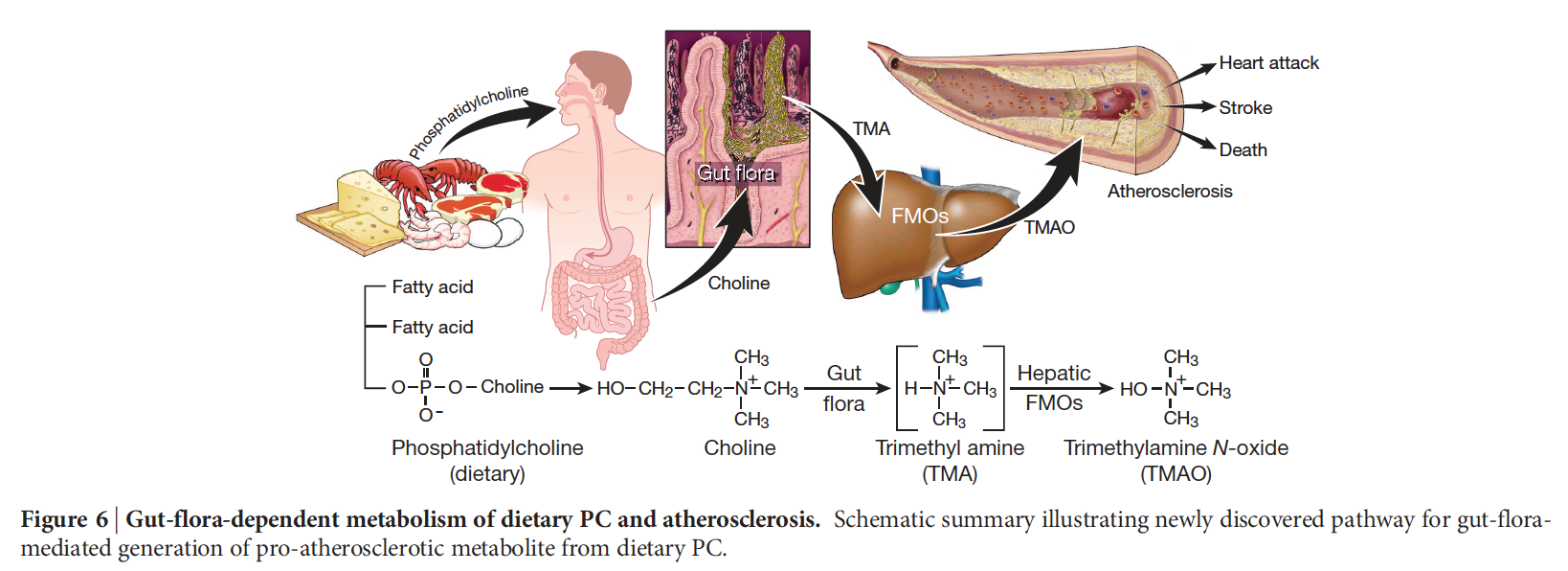
When we eat foods with high concentrations of choline, a nutrient I discuss in more detail below, certain bacteria in our gut make trimethylamine, or TMA. Our system absorbs the compound, and our liver oxidizes it into TMAO. You can see a graphic illustrating this process below and at 2:19 in my video Egg Industry Response to Choline and TMAO.

chart showing how liver oxidizes choline into TMAO

Is TMAO Bad for You?

TMAO may be a key dietary component of an unhealthy diet that contributes to disease promotion.

Heart Disease

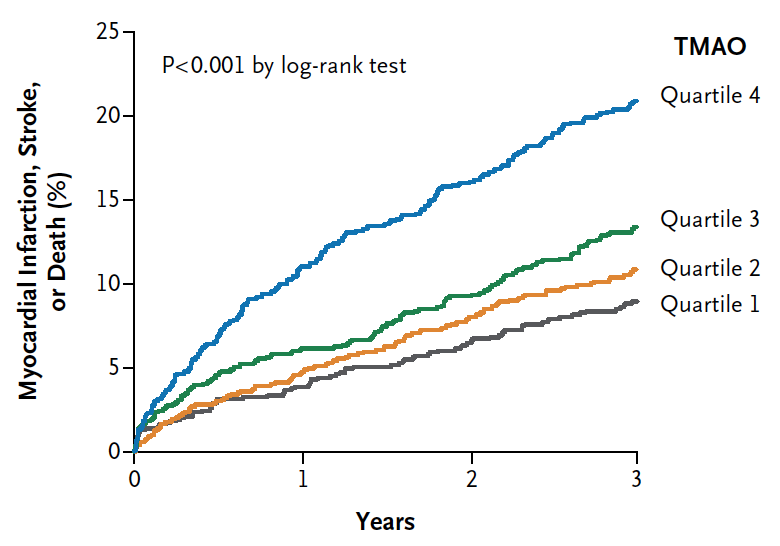
Researchers at the Cleveland Clinic screened blood from patients who had either had a heart attack or a stroke and compared the results with those from the blood of people who had not experienced either. Using an array of different technologies, the researchers determined that the more TMAO people had in their blood, the greater the odds they had heart disease and the worse their heart disease was.

Four thousand people were followed for three years, and, as you can see in the graph below and at 3:10 in my video Egg Industry Response to Choline and TMAO, those with the highest TMAO levels went on to have significantly more heart attacks, strokes, or even death.

chart showing correlation between tmao levels and heart disease

Artery Hardening

TMAO appears to increase the ability of inflammatory cells within the atherosclerotic plaque in our artery walls to bind to so-called bad LDL cholesterol. By making the inflammatory cells more prone to gobble up cholesterol, TMAO is another piece of the puzzle as to how cholesterol causes heart disease.

Failing Kidneys

When researchers followed kidney patients over time and assessed their freedom from death, they found that those with higher TMAO lived significantly shorter lives, even after controlling for kidney function. See more at 4:44 in my video How to Treat Heart Failure and Kidney Failure with Diet.

Cancer

We’ve known about the troublesome transformation from choline into trimethylamine (TMA) for more than 40 years, but that was long before we learned about its connection to heart disease. Why were researchers concerned nearly a half-century ago? Because these methylamines might form nitrosamines, which have cancer-causing activity.

In the Women’s Health Initiative study, women with the highest TMAO levels in their blood had approximately three times greater risk of rectal cancer, suggesting that TMAO levels may serve as a potential predictor of increased colorectal cancer risk.

Which Foods Increase TMAO Levels?  Carnitine and choline are two components known to facilitate production of TMAO. Where do we get these in our diet?

Carnitine:  Within 24 hours of consumption of carnitine, certain gut bacteria metabolize it into TMA, which our liver then oxidizes into the TMAO that then circulates throughout our bloodstream. Where can we find carnitine? It is concentrated in red meat, certain energy drinks, and carnitine supplements.
Choline: As mentioned above, our gut bacteria can turn choline into TMAO, too. Major dietary sources of choline are eggs, milk, and meat, including liver, poultry, shellfish, and fish.  Choline is also present in lecithin supplements.

Can We Reduce Our TMAO Levels?

TMAO is a toxic compound that may increase our risk of heart failure, kidney failure, and atherosclerosis, but might there be nutritional or interventional prospects for prevention? That’s the topic of my video How to Reduce Your TMAO Levels.

Antibiotics and Probiotics

If our intestinal bacteria and liver can make TMAO from meat, dairy, and eggs, should we destroy our gut flora?

We could give people antibiotics to eliminate the production of TMAO, but that could also kill our good bacteria and foster the emergence of antibiotic-resistant bacterial strains.

What about probiotic supplements? If we add good bacteria, might they crowd out the bad bacteria? That doesn’t work. Adding good bacteria doesn’t seem to get rid of the bad.

A New Methane-Producing Bacterium

What if we introduce new bacteria that could somehow siphon off the TMA made by the bad bacteria already in our gut? Well, there is a bacterium inside the guts of cows and sheep that turns trimethylamine into methane. Could we use that to get rid of some of the TMA in our gut? We could, but if it didn’t take, if our gut didn’t become colonized by the cow-and-sheep bacterium, we’d have to keep introducing it to our body. In that case, might the fact that Consumer Reports found fecal contamination in every sample of beef it tested be a good thing? Not at all. Methane-producing bacteria may be able to eat up our TMAO, but, unfortunately, these bacteria may be associated with a variety of diseases, from gum disease down to colorectal cancer, as you can see at 2:15 in my video.

Impairing Our Liver Function

If we can’t use antibiotics or probiotics to prevent our gut bacteria and liver from making TMAO out of the meat, dairy, and eggs we eat, should we cut down on our liver function?

That was the billion-dollar strategy employed by Big Pharma to lower our cholesterol. The same foods—meat, dairy, and eggs—raise our cholesterol, and changing our diet may lower it, but that isn’t very profitable. So, Big Pharma developed statin drugs that cripple the enzyme in our liver that makes cholesterol. Should we give that a try to lower our TMAO levels? Why not pharmacologically inhibit the enzymes in our liver that make TMAO and thereby possibly help reduce our risk of cardiovascular disease?

Trimethylaminuria is a genetic condition in which this enzyme is impaired naturally, so there is a build-up of trimethylamine in the bloodstream. The TMA just doesn’t get oxidized into TMAO. There is a problem, though. TMA is so stinky that it makes you smell like dead fish. So, “given the known adverse effects…from sufferers of fish odor syndrome, the untoward odorous side effects of inhibiting this enzyme make it a less attractive [drug] target.”

Diet

Do we have to choose between suffering from heart and kidney disease or smelling like dead fish? If only there were some other way we could stop this process from happening. There is. We could stop eating animal products, which is what those with trimethylaminuria often do to lower their TMA levels.

About a third of those who complain of bad body odor despite good personal hygiene test positive for the condition, but reducing or eliminating meat, egg, and dairy intake can be a real lifesaver. Given what we know about how toxic TMAO can be, cutting down on animal products may not just save the social lives of people with a rare genetic disorder, but it could help save everyone else’s actual lives.

Indeed, rather than trying to genetically engineer a bacterium that eats up trimethylamine or ingesting a gut enzyme from cows and sheep to convert it into methane, simply limiting the consumption of foods rich in choline and carnitine, perhaps specifically L-carnitine, may effectively limit the amount of TMAO circulating in our body. The easiest and safest recommendation? Eat more healthfully.

Our body makes all of the carnitine we need, so we can completely eliminate it from our diet. Choline, on the other hand, is an essential nutrient, so we do need some—but we don’t need to get it from eggs. Thankfully, we can get all we need from fruits, vegetables, beans, and nuts.

Can we get too much choline from plants? Do we need to worry about high-choline plant foods, like broccoli? No. In fact, consumption of cruciferous vegetables is associated with a significantly longer life and less cardiovascular disease mortality, as you can see at 5:34 in my video. To see what was going on, researchers took the vegetable highest in choline, brussels sprouts, and had people eat two cups a day for three weeks. What happened? Their TMAO levels actually went down. It turns out that brussels sprouts appear to naturally downregulate the TMAO liver enzyme—not enough to make you stinky, but just enough to drop TMAO.

Fecal Transplants

People who eat completely plant-based may not make any TMAO at all—even if they try. You can give a vegan a steak, which contains both choline and carnitine, and there will not even be a bump in TMAO. Why not? Vegetarians and vegans have different gut microbial communities. If we don’t eat steak, then we don’t foster the growth of steak-eating bacteria in our gut. So, forget the cow. How about getting a fecal transplant from a vegan? From a TMAO standpoint, we may not have to eat like a vegan as long as we poop like one.

Conclusion

Can you sense my frustration as I read paper after paper proposing ridiculous  strategies for reducing or inhibiting TMAO production? Pills, supplements, and the like may be profitable for Big Pharma, but we already have a safe, simple, and side-effect-free solution: a plant-based diet. 

And, plant-based eating gives us other benefits:

For more on TMAO, the smoking gun of diet-microbiome-disease interactions, see:

In health,   Michael Greger, M.D.”  From: https://nutritionfacts.org/blog/how-to-reduce-your-tmao-levels/

_______