Showing posts with label HFCS. Show all posts

Monday, July 15, 2024

Lessons From A Hurricane. The Role of Taxpayer Subsidies in the Obesity Epidemic.

.

We just got power back from losing it during Hurricane Beryl!!

Lessons from A Hurricane

The most powerful and destructive storms on earth are called hurricanes, typhoons or cyclones, depending on where they occur. 

On Sept. 8, 1900, a very powerful hurricane struck Galveston, Texas, on the Gulf Coast of the United States.

The storm and the storm surge that followed destroyed more than 3,500 homes. The death toll from that storm was around 8,000, making it the worst and deadliest natural disaster in U.S. history—2.5 times deadlier than the 1906 San Francisco earthquake. 

Twenty-eight years later, on Sept. 12 and 13, the Okeechobee hurricane of 1928 plowed through the Caribbean before slamming into Florida, killing a total of 4,000 people, 2,500 of them in the U.S. In Puerto Rico alone, the storm left half a million people homeless.

In 2005, the costliest natural disaster in U.S. history hit the Mississippi and Louisiana coasts. Hurricane Katrina’s storm surge in places was 28 feet above the normal tide. In the end, Katrina was responsible for about 1,400 deaths, and caused $125 billion in damages.

To survive a hurricane or other natural disaster, it’s vital to be prepared. What should one do to be prepared? And, even more important, what spiritual lessons can you and I draw from this process?

Watch the news: Unlike a century ago, today weather satellites and radar can give warnings days in advance of the approach of a hurricane, typhoon or cyclone. Warnings go out several days before, encouraging people to prepare their properties and even evacuate if that is deemed necessary. 

Over a century ago, when the Galveston hurricane struck, it is probable that so many deaths occurred because they had so little warning. By the time they knew how big the storm was, it was too late.

How many times in Scripture are we given the admonition to watch and pray (Luke 21:36) or “take heed; see, I have told you all things beforehand” (Mark 13:23) or “I have told you before it comes” (John 14:29)?

I’ve heard prophecy described as news written in advance. One of the primary purposes of prophecy is to show in advance what will happen, so God’s people can be prepared (Amos 3:7).

Just as we have news stations showing satellite images and tracking storms, so we have prophecies providing written “storm warnings” about the events that are soon to smash through the lives of people in the end time.

Are we watching the “news” of the Bible? Or will we be like the majority of mankind, who will be surprised by the storms at the end of this age (Luke 21:34)?

Stock up on emergency supplies: Emergency preparedness includes having a supply of food that doesn’t need refrigeration, as well as drinking water, protective clothing, flashlights and batteries and, if possible, fuel. 

These are all items a family might need to survive until clean-up crews make it to them and normal utilities and services resume.

Jesus Christ made a similar spiritual point through the parable of the 10 virgins in Matthew 25. In this parable, righteousness and God’s Holy Spirit are likened to the oil needed as fuel for lamps in that time. 

When I was a boy on the farm, we always had kerosene lamps and kept extra kerosene on hand for those times when a storm would knock out power. I did homework by kerosene lamp more than once—and we were glad to have them! 

My wife and I still have some of those same old lamps—and we have spare kerosene also! Because, without oil or kerosene, your lamps are of no help in a crisis.

We are told this is the condition of the Christian who is not diligently working to repent, grow and build righteous character. A Christian must work daily to make sure his or her life is filled with and guided by God’s Spirit. 

When a crisis of faith or a heavy trial comes—and we know it will—we cannot just instantly obtain righteous character out of thin air any more than a man stranded after a storm can just instantly obtain kerosene (or flashlight batteries or food or water) out of thin air. 

Take action—NOW: With the benefit of advanced warning, government officials will begin urging residents to prepare for a storm, board up windows and gather needed supplies. 

If a storm is expected to be severe enough, evacuation warnings and orders will go out. People living in the most vulnerable areas will be urged to get out. 

Sadly, with every powerful storm, there are many people who refuse to leave their homes. With Katrina, some refused to leave until it was too late. 

They thought they were strong enough or prepared enough that they could survive what was coming. In many sad cases, they were wrong. 

Over the years I’ve heard brethren state they will start praying and studying more “after I retire” or “when the kids start school” or “after my business takes off and I don’t have to put so much time into it” or so forth. 

Others feel they are already spiritually mature and strong enough to endure whatever life may throw at them, and they don’t need anything more. Revelation 3:17 indicates this will be a problem Christians must beware of at the end of this age. 

Don’t put off prayer, Bible study and working hard to strengthen your spiritual life. Take action NOW! When the most severe crisis ever to hit mankind comes, we don’t want to be unprepared and without the spiritual resources we need to weather the storm with our faith intact!

Study this further in our online article “How to Prepare for the End Times.”

Kind regards, and have a great rest of your week,

Tom Clark, for Life, Hope & Truth

________  

The Role of Taxpayer Subsidies in the Obesity Epidemic

Transcript of the video at: https://nutritionfacts.org/video/the-role-of-taxpayer-subsidies-in-the-obesity-epidemic/

Below is an approximation of this video’s audio content. To see any graphs, charts, graphics, images, and quotes to which Dr. Greger may be referring, watch the above video.

“Why are U.S. taxpayers giving billions to support the likes of the sugar and livestock industries?

The rise in calorie surplus sufficient to explain the obesity epidemic was less a change in food quantity than in food quality, with an explosion in cheap, high-calorie, low-quality convenience foods. And the federal government very much played a role in making this happen. U.S. taxpayers give billions in subsidies to prop up the likes of the sugar industry; the corn industry and their high-fructose syrup, (HFCS); and soybean production, about half of which is processed into vegetable oil, and the other half used as cheap feed to help make dollar-menu meat. Why do taxpayers give nearly a quarter billion dollars a year to the sorghum industry? When was the last time you sat down to some sorghum? It’s almost all fed to livestock. We’ve created a pricing structure that favors the production of sugars, oil, and animal products.

The farm bill started out as an emergency measure during the Great Depression of the 1930s to protect small farmers, but was weaponized by Big Ag into a cash cow with pork barrel politics—including said producers of cows and pork. From 1970 to 1994, global beef prices dropped more than 60 percent. If it weren’t for taxpayers sweetening the pot with billions of dollars a year, high-fructose corn syrup would cost the soda industry about 12 percent more. (And then we hand them more billions through the “food stamp” program to give sugary drinks to the poor.)

Why is chicken so cheap? After one of the farm bills, corn and soy were subsidized below the cost of production for cheap animal fodder, effectively handing the poultry and pork industry about $10 billion each. That’s not chicken feed—or rather, it is!

This is changing what we eat. Thanks in part to subsidies, dairy, meats, sweets, eggs, oils, and soda were all getting relatively cheaper compared to the overall consumer food price index as the obesity epidemic took off, whereas the relative cost of fresh fruits and vegetables doubled. This may help explain why during about the same period, the percentage of Americans getting even five servings of fruits and vegetables a day dropped from 42 percent to 26 percent. Why not just subsidize produce instead? Because that’s not where the money is.

To understand what is shaping our foodscape today, it is important to understand the significance of differential profit. Whole foods, or minimally processed foods, such as canned beans or tomato paste, are what’s referred to in the food business as “commodities.” They have such slim profit margins. Sometimes they’re even sold at or below cost as “loss leaders” to attract customers in hopes they’ll also buy the “value-added” products. Some of the most profitable for producers and vendors alike are the ultra-processed fatty/sugary/salty concoctions of artificially flavored, artificially colored, and artificially cheap ingredients thanks to taxpayer subsidies.

Different foods reap different returns. Measured in profit per square foot of supermarket selling space, confectionaries like candy bars consistently rank among the most lucrative. The markups are the only healthy thing about them. Fried snacks like potato and corn chips are also highly profitable. PepsiCo’s subsidiary Frito-Lay brags that while their products represented only about 1 percent of total supermarket sales, they may account for more than 10 percent of operating profits for supermarkets, and 40 percent of profit growth.

It’s no surprise, then, that the entire system is geared towards garbage. The rise in the calorie supply wasn’t just more food, but a different kind of food. There’s a dumb dichotomy about the drivers of the obesity epidemic: is it the sugar or is it the fat? They’re both highly subsidized, and they both took off. Along with a significant rise in refined grain products that’s difficult to quantify, the rise in obesity was accompanied by about a 20 percent increase in per capita pounds of added sugars, and a 38 percent increase in added fats.

More than half of all calories consumed by most adults in the United States were found to originate from these subsidized foods, and they appear to be worse off for it. Those eating the most had significantly higher levels of chronic disease risk factors, including elevated cholesterol, inflammation, and body weight.” 

From: https://nutritionfacts.org/video/the-role-of-taxpayer-subsidies-in-the-obesity-epidemic/

_________

Sunday, January 21, 2024

Should You Keep Valentine’s Day? 5 Reasons NOT to Celebrate Valentine's Day. How Much Added Sugar Is Too Much?

.

Should You Keep Valentine’s Day?

Should You Keep Valentine’s Day?“On Feb. 14, couples around the world will express their love through Valentine’s Day gifts. But many deeply devoted Christian couples will not. Should you?

I recently returned from a pastoral trip visiting congregations of the Church of God in Ghana. Since I returned to the United States, it seems like every time I turn on a radio (mostly when I’m in the car) or see ads in the newspaper or on TV, I’m encouraged to buy flowers, candy, “unique gifts” or even a brand-new car for “someone special” for Valentine’s Day.

I have not observed Valentine’s Day for over 40 years. Why do my wife and I, as well as thousands of Christians around the world, choose not to observe this seemingly innocent, romantic holiday?

Pagan origins

The details surrounding the origins of Valentine’s Day can be a bit muddy, but without a doubt it originated in pagan festivals focused on fertility rites. Most authoritative historical sources will cite the pagan Roman festival of Lupercalia as the genesis of the modern celebration. That three-day celebration was focused on purification, fertility and “love” (read that as sexual lust) among the young, single Roman population.

Most authoritative historical sources will cite the pagan Roman festival of Lupercalia as the genesis of the modern celebration. After sacrifices had been made (apparently both goats and dogs figured prominently in these sacrifices), bachelors would draw the names of young single women from an urn, and then they would be paired together for a year. In some cases these pairings would result in marriage, but not always. As Clyde Kilough, editor of Discern magazine, states on a Life, Hope & Truth video commentary, “The pagans knew how to mix a lot of illicit sex into their religious celebrations.”

Sometime before A.D. 500, the Catholic Pope Gelasius I “Christianized” the celebration by transforming it from a celebration of pagan fertility into a focus on a “Christian” saint. Valentine was the one chosen to be so honored (apparently, there were multiple Catholic saints with that name).

However, the “Christianized” celebration retained its focus on “love” and sex, including images of Cupid, the Roman god of love. Cupid was originally depicted to have sharpened his arrows of love on a grindstone whetted with the blood of an infant. That repulsive imagery was gradually replaced with a more commercially suitable image of a cute, pudgy baby during the 1800s.

To learn more about the origins of Valentine’s Day, read “Valentine’s Day Is Pagan? So What?

Should Christians keep Valentine’s Day today?

Fast-forward to today. While many people generally understand the pagan origins of this celebration, they really don’t see a problem with keeping it as a day to send romantic gifts to their significant other. After all, it is a “harmless” holiday all about love, romance and sweetness toward that someone special in your life; how could that possibly be wrong?

The answer comes from some rather straightforward warnings in the Scriptures:

“Then it shall be, if you by any means forget the LORD your God, and follow other gods, and serve them and worship them, I testify against you this day that you shall surely perish” (Deuteronomy 8:19). To be clear, participating in Valentine’s Day is involving ourselves in the ancient worship practices of “other gods”—not the true God.

God doesn’t want His people adding pagan practices from other religions:

“Take heed to yourself that you are not ensnared to follow them, after they are destroyed from before you, and that you do not inquire after their gods, saying, ‘How did these nations serve their gods? I also will do likewise.’ You shall not worship the LORD your God in that way. … Whatever I command you, be careful to observe it; you shall not add to it nor take away from it” (Deuteronomy 12:30-32).

Some may want to argue that Valentine’s Day isn’t really that religious anymore, so these scriptures don’t apply. But that argument ignores the clear origins and the ancient focus on illicit sexual activity that was part of this practice. The fact that some may not consider it to be the same today does not remove the pagan origins that bring the practice down to us today. Nor does it change how the true God views these things.

Happy couples do not need to give gifts on Valentine’s Day to show their love for each other. Read our blog “3 Romantic Alternatives to Valentine’s Day” to learn more.”  From: https://lifehopeandtruth.com/life/blog/should-you-keep-valentines-day/

_________

5 Reasons NOT to Celebrate Valentine's Day

Transcript of video at: https://www.ucg.org/beyond-today/beyond-today-daily/5-reasons-not-to-celebrate-valentines-day

“Here's five tongue-in-cheek reasons not to celebrate Valentine's Day. But can you find another?

[Steve Myers] “Here's a little tongue-in-cheek discussion on 5 reasons not to celebrate Valentine's Day.

Number one: Flowers make you sneeze and they don't last very long.

Number two: Pink does not make you look thinner.

In fact, number three: Pink's a girly color that makes men feel wimpy.

Number four: Chocolate makes you fat.

Number five: Valentine's Day is just commercialism by the greeting card companies to make millions of dollars.

Are those any reasons that you shouldn't celebrate Valentine's Day? There is a more important reason, but it comes back to realizing what is life all about. What is romance after all because Valentine's Day is supposed to focus on romance? And we often think of the flowers and the candy and the meals out and all those kinds of things.

But you know what? Romance is sometimes vacuuming the house.  Romance is sometimes, yeah, cleaning the toilet or maybe changing a diaper or two or maybe making his favorite dessert. That's what real romance comes down to so much of the time, real life. And sometimes we get fooled by taking one day and trying to make something huge out of it when in reality love is a daily thing. It's something that we show every single day of our life.

Christ Himself said that whatever we want men to do to us, we should do to them. And it should be something that's on going, not just a onetime thing.

It reminded me of a passage that's over in Ecclesiastes in Ecclesiastes 9:9. Ecclesiastes 9:9 says, "Live joyfully with the wife whom you love all the days of your vain life, which He's given you under the sun." So it's all our days not just one day.

And so you could probably come up with a longer list of reasons not to celebrate Valentine's Day, but you know they're not all humorous. There is another reason.

You know that many of the world's holidays are focused and come from roots of paganism. That's where they're rooted. Valentine's Day is no different, named after a Catholic saint. It's rooted in paganism. Maybe that's a question you could ask yourself. What does God think about Valentine's Day?

Check it out a little bit. Look at what Deuteronomy 12 has to say about it. Check it out. Do a little bit of research. You may be very surprised what you find. In fact, you'll probably add one more big reason not to celebrate Valentine's Day.”  From: https://www.ucg.org/beyond-today/beyond-today-daily/5-reasons-not-to-celebrate-valentines-day

_______

How Much Added Sugar Is Too Much?

Transcript of video at: https://nutritionfacts.org/video/how-much-added-sugar-is-too-much/

To see any graphs, charts, graphics, images, and quotes to which Dr. Greger may be referring, watch the above video. This is just an approximation of the audio contributed by Katie Schloer.

“Are table sugar and high fructose corn syrup just empty calories or can they be actively harmful?

In 1776—at the time of the American Revolution—Americans consumed about 4 lbs of sugar per person each year. By 1850, this had risen to 20 lbs, and by 1994, to 120 lbs, and now we’re closer to 160. Half of that is fructose, taking up about 10% of our diet. This is not from eating apples, but rather the fact that we’re each guzzling the equivalent of 16-oz soft drink every day; that’s about 50 gallons a year.

Even researchers paid by the likes of the Dr. Pepper Snapple Group and The Coca- Cola Company, acknowledge that sugar is empty calories, containing no essential micronutrients, and therefore if we’re trying to reduce calorie intake, reducing sugar consumption is obviously the place to start.

Concern has been raised, though, that sugar calories may be worst than just empty. A growing body of scientific evidence suggests that the fructose added to foods and beverages in the form of table sugar and high fructose corn syrup in large enough amounts can trigger processes that lead to liver toxicity and other chronic diseases.

Fructose hones in like a laser beam on the liver, and like alcohol, fructose can increase the fat in the liver, increasing the risk for nonalcoholic fatty liver disease, which is one of the most remarkable medical developments over the past 3 decades—the emergence of fatty liver inflammation as a public health problem here and around the globe.

These may not be messages that the sugar industry or beverage makers want to hear. In response, the director-general of the industry front group World Sugar Research Organization, replied “Overconsumption of anything is harmful, including of water and air.” Yes, the overconsumption of sugar compared to breathing too much.

As one author expressed, I suppose it is natural for the vast and powerful sugar interests to seek to protect themselves, since sugar takes up the single greater percentage of our daily caloric intake.

The American Heart Association is trying to change that. Under their new sugar guidelines, most American women should consume no more than 100 calories per day from added sugars, and most American men should eat or drink no more than 150. That means one can of soda could take us over the top for the day. The new draft guidelines from the World Health Organization suggests we could benefit from restricting added sugars to under 5% of calories. That’s about 6 spoonfuls of added sugar. I don’t know why they don’t just recommend zero as optimal, but you can get a sense of how radical their proposal is given that this is how many we consume right now.”  From: https://nutritionfacts.org/video/how-much-added-sugar-is-too-much/

_________

Sunday, January 29, 2023

Five Ways Parents Damage Their Kids Without Even Realizing It. Wisdom And The Genie In A Bottle. The #1 Most Dangerous Food in the World.

.

Five Ways Parents Damage Their Kids Without Even Realizing It

A family walking in the rain holding umbrellas. “Obviously, there’s no end to the types of mistakes parents might make. However, certain parenting blunders are especially common today. Here are five big ones to avoid.

james x/Unsplash

Parents can be teaching their children the wrong lessons or missing out on teaching them the right lessons, without even realizing it.

One of the primary reasons God instituted marriage is so married couples could produce and nurture Godly offspring (Malachi 2:15)—that is, children trained in the ways of God. Christian parents are to diligently teach their children about God’s truths (Deuteronomy 6:6-7), discipline them in a loving manner (Proverbs 13:24) and provide for their needs (1 Timothy 5:8). God wants parents to take these responsibilities seriously.

But life gets busy. We might have stressful jobs and not have much energy left at the end of the day to deal with “kid problems.” Maybe we just go “on autopilot” when we’re home so we don’t even think about what we’re doing or saying, or how we might be coming across to other family members. Perhaps we just go along with what all the other parents are doing, or do what “feels right” at the moment, without stopping to think about what effect these actions might have on our children. The trouble is, when we get into these kind of mindsets, we can end up making some serious parenting blunders.

Probably most parents reading this can relate. No matter how conscientious and loving we may be, we all fall short at times. Very often our mistakes are unintentional. But even unintended slip-ups, if done repeatedly, can negatively impact a child’s emotional and moral development. Parents can be teaching their children the wrong lessons or missing out on teaching them the right lessons, without even realizing it.

On a positive note, most parenting mistakes can be prevented. The basic solution is to be aware of what the potential pitfalls are, so we can make the right adjustments before any problems develop. Obviously, there’s no end to the types of mistakes parents might make. However, certain parenting blunders are especially common today. Here are five big ones to avoid:

1. Skimping on quality time.

The first big mistake was alluded to in the introduction. Families today are pressed for time. Both Mom and Dad usually have jobs outside of the home, in addition to having household and childcare responsibilities. When time runs short, it’s usually the kids who suffer. Numerous studies have confirmed this trend. A 2019 survey commissioned by Crayola Experience found that 55 percent of American parents think they are “too busy” with other commitments to spend quality time with their kids.

One mom of two preteens admitted: “Most of the ‘interacting’ I do with my kids is when I’m rushing to them to school or sporting events, or when they’re doing their homework at the kitchen table and I’m trying to get them to focus on that while I hurry to get dinner made. There’s very little time to just sit down together and talk.”

Your children need to know they’re important to you. You’re not going to have strong bonds with them if you hardly give them any attention. Make sure you have some focused quality time with them each day (even just 15 minutes), to talk or do something enjoyable together, where you’re not only physically present with them, but emotionally connected as well. If you don’t think your schedule will allow this, take an honest assessment of your priorities and see what can be cut out.

2. Giving them what they should earn.

Every child likes presents, and it’s certainly nice to be able to give them. But too often parents overindulge their kids, showering them with all the toys, electronic gadgets and designer clothes they could ever want. Many times these are “guilty gifts”—given to kids by busy parents to try to make up for not spending time with them. Another common scenario occurs when a parent and her children are out shopping, and when the kids start begging for something, she caves in and puts the item in the cart to appease them.

These are huge mistakes. Studies have shown that giving children everything they want can foster an entitlement mentality and train them to be materialistic and expect immediate gratification. Moreover, if everything’s just handed to them, they won’t see the point in working hard to achieve goals.

While it’s certainly fine to give gifts with “no strings attached,” you shouldn’t finance all your children’s desires (even if you can afford to do so). Require them to make an effort to obtain at least some of these nonessential items on their own, rather than buying it all for them. They could save up allowance money to purchase items they want, or you could have them do some extra household chores to “earn” them. Teach them that working for the things we need and want is a biblical principle (Proverbs 12:11, Proverbs 12:27; Proverbs 13:4, Proverbs 14:23; and 2 Thessalonians 3:10-12).

3. Not enforcing limits.

Kids need to understand what behaviors are and aren’t acceptable, and the consequences for noncompliance. They should know what the expectations are for chores, electronics usage, schoolwork, curfews, bedtimes, mealtimes and so on. When they’re aware of what’s required, it reduces confusion and uncertainty, which in turn decreases anxiety. Children feel safe and secure when they have clear boundaries and rules, because that tells them their parents are managing the household.

But truthfully, it’s not always fun being an authority figure. We can start worrying that our kids aren’t going to “like us” if we make too many rules. And frankly, it’s a lot easier to be permissive—to let the kids do as they please—rather than confront them about their behavior. If that’s been your thinking, remind yourself that everyone has to abide by rules. Kids need to get used to that. You’re not doing your kids any favors by letting them decide for themselves how they should live.

You need to establish and enforce limits for your kids not only because it helps your household run smoothly, it’s also an important life lesson. Ultimately, children who grow up with family rules learn that it’s normal and necessary to submit to authorities (Hebrews 13:17), whether that’s their parents, teachers, bosses, police officers, or most importantly, God.

4. Fixing their problems for them.

Some parents try to protect their children from all forms of hardship. A friend told me how when she was a teenager, whenever she faced any kind of difficulty or disappointment, her mother would step in and try to remedy the situation for her. “If I was excluded by the ‘in’ crowd, she’d go talk to the parents of those kids and insist I be included. If I didn’t make the cut for the cheerleading squad, she’d talk to the coach to see if I could get another chance at trying out,” my friend related. “I know my mom was trying to help. But what she really taught me was that I didn’t need to try to solve my own problems or take responsibility for my actions.”

Unless your kids are facing a difficulty that’s too big to manage on their own or could cause serious harm, you should resist the urge to “rescue” them. Definitely be there to offer support—to listen to their concerns and share your perspectives, but don’t take over and solve the problem for your children. Let them handle the situation for themselves. Remind yourself that someday they’re going to be on their own. Afflictions and struggles are part of life (1 Peter 4:12), and they need to learn to be ready for them.

5. Misusing praise.

Praise can be an effective tool to encourage kids and motivate them to “stay on the right path.” But it can also be misused. For instance, you might extend “inflated praise” (e.g., exclaiming “You’re the best swimmer I’ve ever seen!” or “What an incredibly beautiful painting!”) or overuse positive affirmations (e.g., blurting out “Great job!” or “You’re the best!” every time a child finishes a routine task). While you may be trying to make your kids feel good, these kinds of platitudes can come off as insincere or manipulative. Most kids can see through the exaggeration. They know that don’t deserve that kind of flattery and might conclude that you don’t really mean what you say.

Another mistake is to focus your praise on your children’s innate abilities or attributes (such as beauty, intelligence or natural talents), which they have no control over. Remarks like “You’ve got a photographic memory!” and “You’re brilliant!” send the message to your kids that their accomplishments are due to their inborn abilities, and therefore effort and hard work are not necessary.

To be an effective form of encouragement, praise should be directed at your children’s character (hard work, effort, perseverance, good moral choices, obedience, right attitudes, etc.), which is what is in their control. So rather than tell them “You’re a natural at math,” it’s more helpful to say, “I can tell you’ve been practicing those story problems!” When you point out what they’ve done right, they will start to see the connection between hard work and success, which will motivate them to continue putting out effort.

Granted, no parent handles every situation perfectly—especially when they’re stressed, tired or preoccupied with life’s challenges. It goes without saying that you should ask God daily for His help and guidance in rearing your children. If you do that—along with being aware of what the potential parenting pitfalls are and have a plan for dealing with them—you’ll likely make far fewer mistakes than if you just went on autopilot.”   From: https://www.ucg.org/beyond-today/blogs/five-ways-parents-damage-their-kids-without-even-realizing-it

________

Wisdom and the genie in a bottle

“A common fairy tale theme in children’s stories is of someone finding a genie in a bottle. When the finder rubs the bottle to release the genie inside, the genie is so grateful that he grants the finder his greatest wish, or three wishes, depending on the story. Have you ever stopped to consider what you would wish for if the offer was made to you?

I have, and my answers are no doubt quite a bit different today than they would have been if you had asked me when I was, say, eight years old! We know, of course, there is no such things as genies, and no ancient bottles harboring one just waiting to be released.  But we do know and have access to the God of all creation (much more powerful than any mythical genie).  So what would you ask for if He offered to grant you a wish?  Believe it or not, this is exactly what happened some 3,000 years ago!

Very early on in his reign as king, Solomon had a most unusual experience.  “At Gibeon the LORD appeared to Solomon in a dream by night; and God said, ‘Ask! What shall I give you?’” (1 Kings 3:5).  Can you imagine it?  Far better than any fable about a genie in a bottle, the Creator offered to give Solomon virtually anything he would ask for!

You may already know what his answer was, but if you can, imagine for a moment what you would have asked for! Solomon expressed his awe for God, acknowledging that he was greatly humbled by being given such a huge job. Then he prayed, “I am a little child; I do not know how to go out or come in. And Your servant is in the midst of Your people who You have chosen, a great people too numerous to be numbered or counted. Therefore give to Your servant an understanding heart to judge Your people, that I may discern between good and evil” (verses 7-8). Solomon’s request pleased God, who responded, “Behold, I have done according to your words; see, I have given you a wise and understanding heart” (verse 12).

That proved to be a powerful gift! The Hebrew word for wise is chakam, and one of the meanings is skillful. It would be used of a craftsman who was skillful in his trade. Spiritually it would be someone who skilled in knowing the Word of God, and skilled in using it in his or her life. While there are people who are more naturally gifted in some areas–such as mechanics, music or athletics–in order to truly excel they must work to hone that natural talent. A tradesman who is wise, skillful in his trade, has had to work to develop his knowledge and ability. 

And so it is with us spiritually. Wisdom or skill with the Word of God doesn’t just happen. God opens our minds to understand His Word, which you might liken to us having been given a natural talent. But we then have to spend time and effort to build and develop that skill, honing it to a fine and valuable point! A skilled mechanic doesn’t get that way by sleeping on a stack of manuals, and we can’t become skilled in God’s Word by sleeping on a Bible!

We have to dig in and learn! Are you wise in the Word of God? Let me suggest three simple ways to grow in these things:

1. Do the same thing Solomon did, and ask God for the wisdom and understanding you need.  God hasn’t come to each of us and asked us what we’d like Him to give us, but there is no reason why we can’t go to Him like children often do, and ask for the things we really need and want. How should you ask? Learn how to pray.

2. Seek biblical wisdom/skill through a constant and daily application of Bible study, prayer and meditation.  Many years after God asked Solomon that momentous question, Solomon counseled all who would listen to him to seek wisdom (Proverbs 4:7; 19:20; Ecclesiastes 7:12).  Take his counsel and spend time studying the Scriptures, seeking to learn from them. How do you study the Bible? Here are some practical tips on how to start studying.

3. Put what you learn into practice in your life. “Book knowledge” is not the same as experiential knowledge. I don’t want someone operating on me who has studied a lot about taking out an appendix but has never done it!  If I had to have an appendectomy, I want it done by someone who has not only studied, but also has a lot of experience successfully removing appendixes!  That is exactly what you and I need to be doing with the truth of God. If you'd like to start practicing what we learn in the Bible, read our article “How to Please God.”

In order to become wise—skillful in handling the Word of God—we need to ask for wisdom, seek to gain it through our own study, and then practice what we learn. The results of a life lived like this will be far greater than the results of being granted three wishes by a genie in a bottle—even if there was such a thing!

Here are some additional resources on wisdom from our website:

Kind regards, and have a great week, Tom Clark, for Life, Hope and Truth

_______

The #1 Most Dangerous Food in the World

“Today, we're going to talk about the most dangerous food you can eat and what makes it so dangerous. Factors that make this the worst food in the world for your health:

1. It combines starch and fat under high heat • This creates advanced glycation end products, which affect your eyes, brain, heart, and kidneys.

2. Hydrogenated oils • This contains trans fats, which affect your cells, harden your arteries, and may increase your risk for cancer.

3. Acrylamide • This is a neurotoxin that has been linked to Alzheimer's.

4. Sugar • Sugar can lead to many different health problems. This food may contain sugar, beet sugar, dextrose, or maltodextrin. All of these types of sugars are very dangerous.

5. Glyphosate • I believe glyphosate can potentially alter a person's microbiome and may lead to negative health effects.

6. Seed oils • These oils are very inflammatory.

7. Ketchup • Ketchup contains high fructose corn syrup, which can lead to fatty liver and insulin resistance. It also has corn syrup, modified corn starch (MSG), and soy oil.

You probably guessed it—the most dangerous food in the world for your health is French fries.”  From:  Dr. Eric Berg DC  (235) The #1 Most Dangerous Food in the World - YouTube

________

Sunday, January 8, 2023

The Kingdom, the Power and the Glory. Whose Prayers Does God Answer? Scary Seven. What Eating Processed Flour and Vegetable Seed Oils Really Does to You.

.

The Kingdom, the Power and the Glory

The Kingdom, the Power and the Glory“For Yours is the kingdom and the power and the glory forever” is a phrase found at the conclusion of Jesus’ model prayer. What does it mean for us today?

In teaching His disciples how to pray, Jesus explained that these intimate opportunities to address God should most often be done in private. He also taught that our prayers should come from our hearts, using our own words rather than repeating a specific prayer with the exact same words time after time (Matthew 6:5-8). 

To help His disciples know what to pray about, Jesus also provided a model prayer outlining important subjects to include. This model prayer—found in Matthew 6:9-13—is commonly referred to as the Lord’s Prayer.

It is important for us to note that Jesus did not intend for us to repeat the exact words of this outline every time we pray. After all, the biblical examples of Jesus praying show that He used different words as He conveyed His thoughts to the Father under various circumstances.

But this model prayer is helpful for us because it gives us subjects to regularly pray about and a perspective to bear in mind as we communicate with our Heavenly Father. For additional explanation, see our online articles “The Lord’s Prayer” and “Do You Pray the Way Jesus Taught?

With this understanding of Christ’s model prayer in mind, let’s focus on the phrase recorded in the last part of Matthew 6:13, where Jesus concluded: “For Yours is the kingdom and the power and the glory forever. Amen.”

Yours is the kingdom

This part of the phrase repeats a concept included earlier in the model prayer. After addressing our Father in heaven and hallowing (honoring) His name, we are instructed to pray, “Your kingdom come” (Matthew 6:10).

Referencing the Kingdom of God at the beginning of our prayers and again as we conclude them reminds us that the coming Kingdom of God is the overarching story of the Bible. This concept is a foundational principle of Christianity.

The gospel—good news—of the Kingdom of God is what Jesus preached during His earthly ministry (Mark 1:14-15). “Seek first the kingdom of God and His righteousness,” He said (Matthew 6:33).

Faithful believers have their citizenship in this Kingdom, which is currently in heaven (Colossians 1:13; Philippians 3:20). When Christ returns, this Kingdom will be established on earth, and we will reign with Him on earth for 1,000 years (Revelation 1:6; 11:15; 20:6). Eventually, this Kingdom will be delivered to God the Father (1 Corinthians 15:24) and will extend into eternity.

As we pray about the Kingdom of God, we are reminded of and grounded in the purpose for our lives and our future. God doesn’t need to be reminded of His plan, but we do. Praying for the coming Kingdom of God helps us remember that it is a central part of God’s plan for mankind and that we need to be preparing to serve within it.

The power

Because we humans do not see the spirit world, it is easy to overlook the fact that God has all power. Currently, during this present evil age, God has allowed Satan to have power and authority (Luke 4:6; Galatians 1:4). But God remains in control of His plan and retains His overall authority. He gives His ministers power over evil spirits and the opportunity to ask for divine healing of people they anoint (Luke 9:1; 10:19). When Jesus returns to earth, He will remove Satan and use His power to rule over the entire earth (Revelation 11:15).

Faithful Christians receive a small portion of God’s power through the Holy Spirit when they repent of their sins, are baptized, and have hands laid on them for the reception of this gift from God (Acts 1:8). Paul described this Spirit as one of “power and of love and of a sound mind” (2 Timothy 1:7) and listed nine traits that are the “fruit of the Spirit” (Galatians 5:22-23). 

The Holy Spirit empowers us to please God in the way we live (Romans 8:8-9). It also identifies us as children of God and seals us for redemption to eternal life when Christ returns (Romans 8:11, 14, 16; Ephesians 1:13; 4:30).

When God’s plan of salvation for mankind is complete, God will have total control. As Paul explained, “Then comes the end, when He [Jesus Christ] delivers the kingdom to God the Father, when He puts an end to all rule and all authority and power” (1 Corinthians 15:24).

When we close our prayers with a reference to God’s power, we are reminded that He truly does have all power and that, via the power of the Holy Spirit, we can taste “the powers of the age to come” (Hebrews 6:5).

And the glory forever

The Greek word translated “glory” is doxa. It has a broad range of meanings, and in reference to God it includes His “splendor . . . magnificence, excellence, preeminence, dignity, grace . . . majesty” (Thayer’s Greek Definitions). God has an exalted state of glory far above and beyond any other being or thing. 

Jesus was “the brightness of His [God the Father’s] glory” (Hebrews 1:3). The disciples “beheld His glory, the glory as of the only begotten of the Father, full of grace and truth” via the miracles He performed (John 1:14; 2:11).

Referencing God’s glory and the fact that it is permanent—forever—shows honor and respect to our great Creator.

Overall meaning

Earlier, King David, a man after God’s own heart (Acts 13:22), had included these three concepts—God’s rulership of His kingdom, His power and His glory—in a public prayer he gave prior to the inauguration of his son, Solomon, as king over Israel.

“Yours, O LORD, is the greatness, the power and the glory, the victory and the majesty; for all that is in heaven and in earth is Yours; Yours is the kingdom, O LORD, and You are exalted as head over all,” he prayed (1 Chronicles 29:11).

In the model prayer, Jesus instructs us to close our prayers in a similar way. When we pray, “Yours is the kingdom and the power and the glory forever,” we honor God and are reminded of His great plan, power and magnificence.”  From: https://lifehopeandtruth.com/god/prayer-fasting-and-meditation/how-to-pray/kingdom-power-and-glory/?

_______

Whose Prayers Does God Answer?

1 John 3:22

And whatever we ask we receive from Him, because we keep His commandments and do those things that are pleasing in His sight.

“Jesus Christ said, “If you ask anything in My name, I will do it” (John 14:14). That sounds like a blanket promise that could be easily abused. But John clarifies in 1 John 3:22 what Christ meant and why He could say that. His followers would, by definition, be those who strive to obey God’s commandments and to please God. Christians must seek God’s will and so must pray according to God’s will.

It only makes sense. Why would God act like a genie and give us things that wouldn’t be good for us? Why would He reward disobedience to His perfect laws? He wouldn’t.

He wants His followers to learn His will and to ask according to His will. Then He can give “whatever we ask” at the time that He knows is best for us in His eternal plan.”  From: https://lifehopeandtruth.com/bible/blog/whose-prayers-does-god-answer/?

For more about His commandments and pleasing Him, see “The 10 Commandments for Today” and “How to Please God.”

________

scary7-696x595

_______

What Eating Processed Flour and Vegetable Seed Oils Really Does to You

“There are way too many other ingredients in bread with refined flour. It's not whole wheat, it's not whole grain. And because the process did so much, they have to re add all the ingredients. Also, they are called vegetable oils, but many are not from vegetables. They are actually extracted from seeds. Whether it's soy oil, cottonseed oil, corn oil, soybean oil, even canola oil. These are all manufactured oils full of omega six. And these must be avoided whenever we cook, we should not use this oil.”

See video at:  https://www.thefoodflix.com/watch/what-eating-processed-flour-and-vegetable-seed-oils-really-does-to-you_UZlqqj7drKhFk5P.html?lang=dutch

_______


Monday, June 20, 2022

The Curse of Inflation, A Biblical View. Saying Thank You. Sugar vs. Corn Syrup. Mercury In Corn Syrup.

.

The Curse of Inflation,  A Biblical View

An elderly man looking out a window.“The ramp-up we’re seeing in inflation in the United States is the reaping of a bitter harvest sown by wrong policies. It’s important to understand.
Among those hardest hit by inflation are the ones governments assure us they are dedicated to helping, namely the poor and the elderly.

Prices have been on the rise—whether gasoline, food, electricity, furniture, you name it. Inflation is hitting people’s wallets hard—especially in America, but in other countries as well.

The problem is actually worse than most realize. Real inflation is running much higher than the 7 percent reported in official U.S. government numbers, as calculation methods have changed. A more honest assessment at shadowstats.com reveals that if inflation were measured as it was in 1990 the rate would be 12 percent—or if figured as in 1980 the rate would be 15 percent.

Unemployment is also high. Government statistics put it at 3.4 percent in January, but it also has changed the calculation method for determining unemployment numbers. Going by more reasonable pre-1994 calculation, U.S. unemployment now shockingly stands at around 25 percent!

Another facet of the grim financial outlook is U.S. household debt, which for the first time passed $15 trillion in the third quarter of 2021. And in January 2022 U.S. national debt for the first time exceeded a mind-boggling $30 trillion as part of a dangerous money-creation experiment that is fueling the ramp-up in inflation.

Just what is going on? Where will it ultimately leave us?

The lure of Modern Monetary Theory

The Federal Reserve has gone into overdrive over the past decade in what amounts to creating more and more money out of thin air. We’re told not to worry about any repercussions of this massive money creation and the debt associated with it because of the new economic siren song of Modern Monetary Theory or MMT.

Writing in the American Enterprise Institute publication National Affairs, author Jonathan Hartley explains: “The defining feature of MMT—and what distinguishes it from more established, mainstream economic theories—is its insistence that, so long as a government’s debt is denominated in its own currency, there is no upper limit on the state’s monetary borrowing. In other words, public debt is irrelevant; a country’s central bank can always avoid default by printing more money. Such printing, MMT proponents further argue, can go on without any inflationary consequences” (“The Weakness of Modern Monetary Theory,” Fall 2020).

This especially appeals to those who want to fund an endless array of massively expensive government programs, but it gained wider acceptance as a means to buoy up the economy during Covid lockdowns. While MMT may be convenient, Hartley goes on to say, “MMT’s central claims regarding the harmlessness of deficits, debt, and mass currency production are not only flatly false, they are deeply dangerous” (emphasis added throughout).

He does note that the United States, due to the vastness and richness of its economy and the dollar serving as the world’s reserve currency, is able to borrow enormous sums. But this ultimately comes on the backs of everyone who holds dollars—in both America and around the world. Eventually investors, “no longer believing the government to be solvent, will refuse to buy bonds or lend to the government at manageable interest rates.” America is not there yet, but those calling for endless massive spending are driving the nation steadily to that point.

For years economists have warned that if the United States keeps ballooning up the money supply without commensurate economic growth and productivity, it is inevitable that other global economic powers such as the European Union or China will demand that the dollar be replaced as world reserve currency with the euro or Chinese yuan. This would lead to huge economic problems in America, including the hyperinflation nightmare.

The government is stealing from you

It was reported earlier this year that “U.S. companies are expecting to pay an average 3.4% raise to workers in 2022” (CNBC, Jan. 18, 2022). They’re forced to do so to retain workers, but this does not come close to keeping up with inflation. Likewise a Breitbart headline reads, “UK Wage Hikes Wiped Out to Zero by Soaring Inflation Rate” (Jan. 18, 2022).

Through policies that create inflation, governments are actually stealing from companies and individuals. How does this work? It’s really very simple. By artificially adding more and more money‚ the value of existing dollars is diminished. Therefore virtually everything you buy costs more—sometimes a lot more.

How bad is it? In 2020-2021, the U.S. money supply soared an astonishing 27 percent, the biggest jump in the nation’s history. This was far greater than in response to previous national crises such as the Great Depression (10 percent) and World War II (18 percent). Hundreds of thousands of businesses shut down and tens of millions of Americans were paid to stay home rather than work. The federal government sent “free money” checks to every American, including incarcerated felons. And now Americans are paying the price.

Among those hardest hit are the ones governments assure us they are dedicated to helping, namely the poor and the elderly. But since most of their meager income goes to such basics as food and utilities, inflation is especially devastating to their financial condition.

Besides the massive money creation that gives governments more wealth while diluting how much the money you have is worth, governments must keep interest rates low to finance that huge debt they’ve taken on. This keeps savers—especially those who are trying to preserve their income, such as those in or nearing retirement—from earning interest income and pushes many into gambling with their futures by seeking more dangerous investments just to maintain the same income (“How the Fed Is Driving Savers to Riskier Investments,” The Washington Post, July 1, 2020).

The truth is that the whole concept of fiat currency— money decreed into existence with no tangible basis—constitutes the biggest thieving scheme in history. Such currency manipulation contravenes God’s laws on maintaining honest weights and measures (see Deuteronomy 25:15; Proverbs 11:1; 16:11; 20:23).

God in the Bible repeatedly condemns stealing from others and mistreating the poor and needy (Exodus 20:15; Leviticus 19:11; Deuteronomy 24:14; Psalms 72:4; 82:4; Amos 8:4-6). And He warns against going into debt as a road to enslavement (Proverbs 22:7).

Former U.S. President Thomas Jefferson wrote to his friend John Taylor on May 28, 1816, that “spending money to be paid by posterity, under the name of funding, is but swindling futurity on a large scale.”   Indeed, expanding government debt obligates future generations to repaying debt they never incurred or had any say in creating. Again, it’s pure theft.

Do what you can to prepare

Bible prophecy warns about coming economic upheaval and troubles increasing in the English-speaking nations and the ultimate collapse of the financial system the world over (see our free study guides The United States and Britain in Bible Prophecy and The Book of Revelation Unveiled).

Yet in some ways all will seem to be humming along—until calamity strikes (Matthew 24:38-43).

Do what you can to prepare —to be ready (verse 44). As Proverbs 22:3 and 27:12 tell us, “A prudent person foresees danger and takes precautions. The simpleton goes blindly on and suffers the consequences” (New Living Translation). Of course, humanly we can only do so much. We need God to see us through. Jesus promised that if we seek first the Kingdom of God and God’s righteousness that our physical needs would be provided for—that we would not be destitute (Matthew 6:25-34; compare Psalms 37:25).

The sobering fact we all face is that a reckoning lies ahead. Let us all take God’s warnings seriously and do whatever we can to prepare. Above all, we must prepare spiritually (see Matthew 25:1-13), and God will see us through to the wonderful age beyond today when His laws—including His economic laws—will at last be followed the world over.”    From: https://www.ucg.org/beyond-today/beyond-today-magazine/the-curse-of-inflation-a-biblical-view?

_______

Saying Thank You,  An Attitude of Gratitude

“Being grateful, to God and to those around you, can be beneficial to you, your relationships, and your spiritual life.

Transcript of YouTube: https://youtu.be/yxr96HZQ6jk

[Darris McNeely] “The ability to say, "Thank you," is a very important character trait that every one of us must have, should have. And we should check ourselves on a regular basis to make sure that we are grateful to God, to each other, to those who do good things, kind things to us. Say "Thank you." Have an attitude of gratitude. And this is not just some trivial approach, it really enhances your life. It enhances the quality of relationships that we have.

Christ spoke a parable about it that I have long known about, you have as well, about this attitude of being grateful, saying "Thank you." It happened it says in Luke 17:11, "That as Christ went to Jerusalem, He passed through the midst of Samaria and Galilee," the regions to the north of Jerusalem, He was coming south. "He entered a certain village, and there He met 10 men who were lepers who stood afar off. And they lifted up their voices and said, 'Jesus, Master, have mercy on us'." Leprosy was the scourge of the ancient world, there was no cure for it, very contagious, and those who had it had to be ostracized from the community, and they were begging Christ, "Have mercy on us."

When He saw them, He said to them, "Go show yourselves to the priest." And so it was that as they went, they were cleansed before they even got to the priest, it seems. And one of them, when he saw that he was healed, returned and with a loud voice, glorified God and fell down on his face at his feet, at Christ's feet, giving Him things. And this man was a Samaritan, those who were looked upon as, kind of, inferior by the rest of the Jews at that time. And this was the one who turned back and said, "Thank you," to Christ, he gave him thanks. And in verse 17, Jesus answered and said, "Were there not 10 cleansed, but where are the 9?" The other 9 went on their way. Maybe they went on to the priest, maybe they thought they had to fulfill everything. We're just not told, but only one came back and said, "Thank You." He said, "Were they not found, who returned to give glory to God except this foreigner." And he said to him, "Arise, go your way. Your faith has made you whole."

And so 1 out of 10, 10%, turned back and said, "Thank You," That's fine, what's the lesson for us? Be grateful. Have a spirit that recognizes when someone has done something well, good, a good job, either for us or for someone else, in the office, in the school, in your church, or your community, someone who has helped you, be sure that you say, "Thank you," and show an appreciation and gratitude. It's a Godly trait. It is what Christ called out, and one who was looked down upon by the rest of the community, the Jewish community of the time, say "Thank you." It's a good spirit. It's a good attitude to have.”

________

Sugar vs. Corn Syrup

“Mercury content aside, is high-fructose corn syrup worse than table sugar?

Transcript of YouTube: https://youtu.be/aygf8vNXbJI

“Which is worse: sugar or corn syrup? Three choices: the sugar, the corn syrup, or, they’re both just as bad? Around and around it goes; where it stops, maybe some of you knew. Equally bad.

Now that was kind of a trick question. Regular, baking corn syrup is pure glucose; zero fructose. There’s no corn syrup in soft drinks, either. It’s all high-fructose corn syrup. Now, some of you may have heard the rumor that high-fructose corn syrup may contain mercury.

Let’s assume, for the purposes of this question, that there’s no mercury: pure sugar, versus pure high-fructose corn syrup. Is the sugar worse? Is the high-fructose corn syrup worse? Or, are they still both equally bad?

And the winning loser is—both of them. Table sugar is 50% glucose and 50% fructose, and high-fructose corn syrup is about 45%/55%. It doesn’t matter; it’s all just sugar. The Corn Refiners Association launched a $25 million PR campaign last year, boasting that high-fructose corn syrup is as good for you as sugar. True, but again, how much is that really saying?”

To see any graphs, charts, graphics, images, and quotes to which Dr. Greger may be referring, watch the above video. This is just an approximation of the audio contributed by veganmontreal.” 

More about mercury at: “Mercury in Corn Syrup”  https://nutritionfacts.org/video/mercury-in-corn-syrup/

_______

Sunday, May 1, 2022

Hope in the Bible. What’s the Bible For? Do You Consume These Foods That Ruin Your Liver.

.

Hope in the Bible

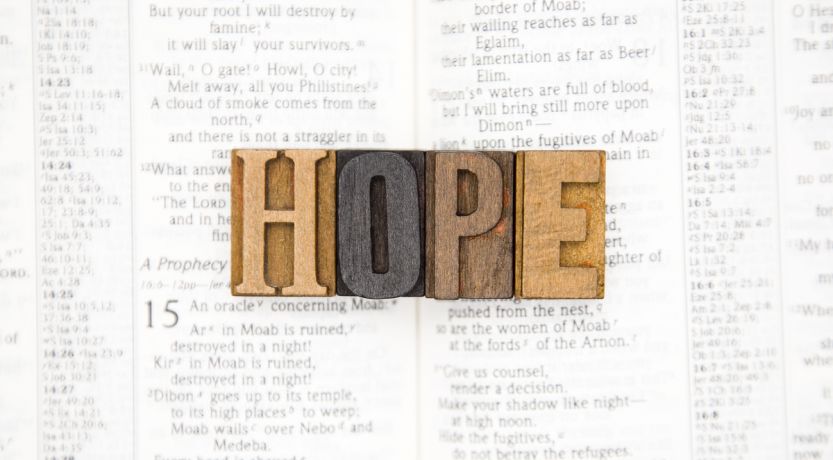
Hope in the Bible“Life today can be sorely lacking in hope. But there is a timeless source we can turn to. The hope in the Bible is guaranteed not to disappoint!

When I feel hope fading or even feel hopeless, I know where to turn.

In the world of men, apart from God, there is no real hope (Ephesians 2:12). And this world desperately needs hope! We need hope not just to make it from one challenge, trial or disappointment to another, but to lift our heads and give us direction and meaning.

Real hope empowers us, encourages us and makes life worth living. But where can we find this hope?

God is called the “God of hope” (Romans 15:13). And He gives that hope to us through His inspired Scriptures.  Our go-to source of godly hope is the Holy Bible.

Meaning of hope in the Bible

The Greek word elpis, translated hope in the New Testament, has the connotation “desire of some good with expectation of obtaining it” (The Complete Word Study Dictionary, New Testament, 1992). Hope based on God and His sure promises is vastly different from the fleeting hope of this world.

Human, natural hope “is transient and illusory,” and the “majority of secular thinkers in the ancient world did not regard hope as a virtue.”

“But for the most part the hope with which the Bible is concerned is something very different; and in comparison with it other hope is scarcely recognized as hope.” It is closely tied to faith. Because of what God has done and promised, “the Christian dares to expect future blessings at present invisible (2 Cor. 1:10). The goodness of God is for him never exhausted. The best is still to be. His hope is increased as he reflects on the activities of God in the Scriptures (Rom. 12:12; 15:4)” (New Bible Dictionary, “hope,” 1982).

“That we through the patience and comfort of the Scriptures might have hope”

Paul points to the Bible as our source of hope.

“For whatever things were written before were written for our learning, that we through the patience and comfort of the Scriptures might have hope” (Romans 15:4).

The stories and teachings of the Bible were recorded for many reasons, but here Paul highlights how God inspired them to give us hope.

William Barclay noted about this passage: “The Christian fellowship should be marked by hope. The Christian is always a realist, but never a pessimist. The Christian hope is not a cheap hope. It is not the immature hope which is optimistic because it does not see the difficulties and has not encountered the experiences of life. It might be thought that hope is the prerogative of the young; but the great artists did not think that. When [the painter George Frederic] Watts drew ‘Hope’ he drew her as a battered and bowed figure with one string left upon her lyre. The Christian hope has seen everything and endured everything, and still has not despaired, because it believes in God. It is not hope in the human spirit, in human goodness, in human achievement; it is hope in the power of God” (Daily Study Bible, note on Romans 15:1-6).

Examples of hope in the Bible

Consider the story of Rahab, the harlot in Jericho who had come to believe in the power of the God of Israel. She and all the people of Jericho realized it was hopeless to fight against Israel (Joshua 2:11). But it seems only Rahab chose to believe in the God of Israel. She risked her life to save the Israelite spies, and in turn they promised to protect her and her family, if she put a scarlet cord in the window of her home on the city wall (verses 18, 21).

Interestingly, the word cord is from the Hebrew word tiqva, which is most often translated in its figurative sense as “hope” and “expectation.”

“By faith the harlot Rahab did not perish with those who did not believe,” we’re told in the Faith Chapter. Instead, God gave her hope and a place in the lineage of Jesus Christ (Matthew 1:5).

God’s plan includes saving us from our deadly and deceitful enemy. Instead of death, God offers us the amazing opportunity to become members of His family and to inherit everything with Jesus Christ. The book of Job, which tells the story of a man bereaved of nearly everything he held dear, mentions hope (tiqva) 15 times, but can hardly be considered a hopeful book. Until the last chapter, that is, when God reverses the misfortune.

Mourning for the loss of his children, his possessions and his health, Job cried out, “My days are swifter than a weaver’s shuttle, and are spent without hope” (Job 7:6).

Yet even in the depths of despair, Job expressed hope for the next life:

“If a man dies, shall he live again? All the days of my hard service I will wait, till my change comes. You shall call, and I will answer You; You shall desire the work of Your hands” (14:14-15). Interestingly, the phrase I will wait is from the Hebrew yahal, which is often translated as hope.

Growing in hope—the hope that does not disappoint

Paul tells us that followers of Christ are able to “rejoice in hope of the glory of God” (Romans 5:2). Here again hope is translated from the Greek word elpis, which means “to anticipate, usually with pleasure” (Strong’s Definitions).

Then he outlines the steps that produce more hope.

“And not only that, but we also glory in tribulations, knowing that tribulation produces perseverance; and perseverance, character; and character, hope.

“Now hope does not disappoint, because the love of God has been poured out in our hearts by the Holy Spirit [that] was given to us” (verses 3-5).

Growing in this way is not easy. Enduring troubles in order to have the character of Jesus Christ hurts. It stretches us, toughens us and strengthens us. And it produces hope—real, 100 percent satisfying hope enlivened by the love of God.

God’s loving plan is what gives hope its power.

“As a helmet the hope of salvation”

God’s story for your life is epic and dramatic. God’s plan includes saving us from our deadly and deceitful enemy. Instead of death, God offers us the amazing opportunity to become members of His family and to inherit everything with Jesus Christ. He wants us to live forever in His close, loving family.

Understanding this amazing plan serves as part of our protection from Satan the devil.

“But let us who are of the day be sober, putting on the breastplate of faith and love, and as a helmet the hope of salvation” (1 Thessalonians 5:8).

In his famous list of the armor of God, Paul called this the “helmet of salvation” (Ephesians 6:17). But to the Thessalonians, Paul wrote the more complete description “the hope of salvation.”

Transforming the wonderful promise of salvation into armor to protect our minds requires a healthy dose of hope. We must truly believe that God will save us from eternal death and give us eternal life. That kind of hope can deflect the blows of our enemy who wants to discourage us. The hope of salvation protects our minds.

This helmet allows us to fully engage in the process of transformation God has called us to.

“Christ in you, the hope of glory”

Paul calls God’s plan a mystery that has now been revealed to the saints—to all those God has called out of this world. (For a look at the biblical meaning of saints, see “How to Become a Saint.”)

God wants all those who have been baptized and received the Holy Spirit to understand the transformation He has called us to.

“To them God willed to make known what are the riches of the glory of this mystery among the Gentiles: which is Christ in you, the hope of glory” (Colossians 1:27).

On the night before His crucifixion, Jesus encouraged His followers. He told them, and He tells us, “I will not leave you orphans; I will come to you” (John 14:18). He adds, “If anyone loves Me, he will keep My word; and My Father will love him, and We will come to him and make Our home with him” (verse 23).

Studying the rest of Jesus’ Passover teachings shows that the Father and the Son live in us through the Helper—the Holy Spirit (verse 26).

What does the Bible say about how to receive the Holy Spirit? “Repent, and let every one of you be baptized in the name of Jesus Christ for the remission of sins; and you shall receive the gift of the Holy Spirit” (Acts 2:38).

This process of conversion changes us from the inside. It helps us think and act like Jesus Christ as it writes God’s laws on our hearts and minds (Hebrews 10:16).

Hope is also part of our witness to those around us. If someone wants to understand how we can have hope in these hopeless times, Peter encourages us to be prepared to share the reason. In 1 John 3 the apostle John also points to the transforming power of the hope we have been given. After describing the incredible love the Father has shown us by calling us “children of God” (verse 1) and explaining that when Jesus returns, “we shall be like Him, for we shall see Him as He is” (verse 2), John says:

“And everyone who has this hope in Him purifies himself, just as He is pure” (verse 3).

God’s holiness and purity are major themes throughout the Bible. To truly become like Jesus Christ, we must pursue purity.

William Barclay commented on this verse: “John has just said that the Christian is on the way to seeing God and being like him. There is nothing like a great aim for helping a man to resist temptation” (Daily Study Bible, note on 1 John 3:3-8).

Faith, hope and love

The Bible connects faith, hope and love many times (1 Thessalonians 1:3; 5:8; Galatians 5:5-6; 1 Corinthians 13:13; Hebrews 6:10-12; 1 Peter 1:21-22).

Faith and hope work together, hand in hand. It takes faith in God to have real hope, and it takes godly hope to have real, lasting faith.

Love elevates faith and hope above any selfishness, producing a desire for God’s plan to provide His blessings for everyone.

William Barclay put it this way in his Daily Study Bible: “Faith without love is cold, and hope without love is grim. Love is the fire which kindles faith and it is the light which turns hope into certainty.”

Love’s outgoing nature and eternal qualities makes it the “greatest of these” (1 Corinthians 13:13).

For more on this, see the sidebar “Faith, Hope and Love” in our booklet Finding Hope in a Hopeless World.

Give a reason for the hope

Hope is also part of our witness to those around us. If someone wants to understand how we can have hope in these hopeless times, Peter encourages us to be prepared to share the reason:

“But sanctify the Lord God in your hearts, and always be ready to give a defense to everyone who asks you a reason for the hope that is in you, with meekness and fear” (1 Peter 3:15).” 

From: https://lifehopeandtruth.com/life/plan-of-salvation/hope-for-the-future/hope-in-the-bible/?

_______

What’s the Bible For?

2 Timothy 3:15-17

And that from childhood you have known the Holy Scriptures, which are able to make you wise for salvation through faith which is in Christ Jesus. All Scripture is given by inspiration of God, and is profitable for doctrine, for reproof, for correction, for instruction in righteousness, that the man of God may be complete, thoroughly equipped for every good work.

“The Holy Scriptures available to Timothy as a child would, of course, have been what we call the Old Testament today. The apostle Paul and the New Testament Church held the Old Testament in high esteem and quoted from it often in sermons and writings. The Old Testament revealed much about Jesus Christ, including both His first and second comings, and the salvation that is available because of His sacrifice.

All Scripture, which Peter later showed included Paul’s writings as well (2 Peter 3:16), was breathed—what we call inspired—by God. What is the Bible useful for?

  • Doctrine—teaching us God’s will.
  • Reproof—conviction or proof of wrongdoing.
  • Correction—setting us straight.
  • Instruction in righteousness—disciplining or training.

The Good News Translation puts it this way: All Scripture “is useful for teaching the truth, rebuking error, correcting faults, and giving instruction for right living, so that the person who serves God may be fully qualified and equipped to do every kind of good deed” (verses 16-17).”   For more about what the Bible can do for us, see “Why Study the Bible?       From: https://lifehopeandtruth.com/bible/blog/whats-the-bible-for/?

________

Do You Consume These Foods That Ruin Your Liver.

Excerpts from YouTube: https://youtu.be/1B98PDEe4vU  

“You are as healthy as your liver. Your liver helps you in many different ways, but its main function is to detox poisons. It’s important to be aware of these ingredients in certain foods that ruin your liver, so you can avoid them and keep your liver healthy. The best type of food for the liver is cruciferous vegetables. Be sure to consume cruciferous vegetables regularly to support a healthy liver.

7 ingredients in foods that will ruin your liver:

1. Soy protein isolates Common foods that contain this ingredient: • Diet shakes • Diet powders • Protein bars • Veggie burgers

2. Fructose Common foods that contain this ingredient: • High fructose corn syrup • Fruit • Agave nectar • Table sugar

3. Vegetable fats Common foods that contain this ingredient: • Corn oil • Soy oil • Canola oil • Cottonseed oil

4. Whey protein powder Common foods that contain this ingredient: • Protein powders

5. Maltodextrin Common foods that contain this ingredient: • Protein powders • Certain vitamin supplements • Certain “keto-friendly” foods • Foods that contain fillers or drying agents • Post-workout gels • Splenda • Puddings • Protein bars

6. Aflatoxins Common foods that contain this ingredient: • Peanuts • Corn 7. MSG Common foods that contain this ingredient: • Pork rinds • Fast-food • Chinese food • Cottage cheese • Foods that contain flavor enhancers”

______

Sunday, May 17, 2015

Health Foods To Avoid. Slaughterhouses. What Did It Eat? How Organic Chemistry Convinced Me Of The Creator. Bible Study Topics. Update.


A little different format from the usual "Scripture Sunday":

It doesn't do any good to keep reading your scriptures, if your health is bad! 

Health Foods To Avoid: The dangers of excess fructose sugars, and other foods:

When you watch this, it will also have the links to watch Parts 1 and 3.  Very informative!

_______

Slaughterhouses

An Amazing Fact: "In the United States, about nine billion animals are slaughtered annually for food. Each year Americans consume more than 13.6 million tons of beef.

Slaughterhouses are not popular with the public. Though most people enjoy eating the end product, there is an aversion to the gruesome process of killing animals. In many places local laws actually specify where meat packing plants can and can’t be located. Animal welfare groups criticize the often callous methods of transporting, preparing, herding, and killing animals.

It is really unpleasant to think about the procedure. Cattle are driven in trucks or by rail hundreds of miles from a ranch or feedlot, typically in crowded conditions. Not all make it to the slaughterhouse alive. Then they are shuttled through narrow corrals and brought into holding pens where they are “incapacitated.”

I didn’t think much about this stuff when I ran a meat sales business in my VW many years back, but let’s just say that after hanging the animal upside down and draining out most of the blood, butchers begin to do their grisly work.

Does this process disgust you? I won’t explain the details of turning a cow into “food” for your local burger shop. Most of my readers are thinking, “Stop talking about this! What’s the value in even thinking about it?” Let me tell you. …

This is the analogy that Solomon uses to describe the fate of foolish young (or old) men, (this would apply to women as well), who are seduced into breaking God’s commandment on adultery. What seems like a flower-strewn pathway ends up being the road to hell.
Solomon says of this foolish man that he “immediately” goes after her.

In other words, he is controlled by his carnal nature and passions, not his rational brain. Like a bird flying into a net, “He did not know it would cost his life” (v. 23). Sin confuses us into thinking about the moment and not the true end-result.

No wonder the wise man says, “Do not stray into her paths; for she has cast down many wounded, and all who were slain by her were strong men. Her house is the way to hell, descending to the chambers of death” (vv. 25-27). It’s a one-way tunnel you don’t ever want to enter.
Additional reading: Proverbs 7:13–27
KEY BIBLE TEXTS
With her much fair speech she caused him to yield, with the flattering of her lips she forced him. He goeth after her straightway, as an ox goeth to the slaughter, or as a fool to the correction of the stocks;
- Proverbs 7:21-22

_______

"If you don't know what you are eating ate, then you don't know what you are putting in your mouth​." - Tim Ferriss

_______

How organic chemistry convinced me of the Creator

"While studying organic chemistry in my third year at pharmacy school, I also began studying the Bible. I saw that in order to follow the teachings of God in the Bible, I would have to make some major changes in my thinking and living. But before making these changes, I wanted to find real proof of God’s existence.

I found that proof in an unexpected place.

I had already learned that, in simple terms, it takes a pure enantiomer to produce a pure enantiomer (i.e., it takes one to produce one). The question arose: From where did the first pure enantiomer originate?

Within the study of stereochemistry (the study of molecular structure in three dimensions) is the study of stereoisomerism. Isomers in general are chemical compounds with the same chemical formula but that differ in chemical structure. Ethyl alcohol and methyl ether consist of the same atoms in the same proportion and thus have the same atomic weights and the same formulas—C2H6O—but they differ in structure (see Diagram 1).

<p><em>Diagram 1</em>. Examples of compounds that are isomers. The structure of ethanol (C2H6O) is on the left and the structure of dimethyl ether (C2H6O) is on the right. Images created using Maestro by Schrödinger, LLC, 2014.</p>

Diagram 1. Examples of compounds that are isomers. The structure of ethanol (C2H6O) is on the left and the structure of dimethyl ether (C2H6O) is on the right."    Images created using Maestro by Schrödinger, LLC, 2014." 

Complete article at: http://lifehopeandtruth.com/god/is-there-a-god/proof-of-god/how-organic-chemistry-convinced-me-of-the-creator/

_______

Update:

As usual, it's been a busy and eventful week.

After the winds blew the cheap canopy carport's poles all bent and skewiffy, Jay and I went to Lowes and bought 4-4x4x8 and 6-2x4x10 treated lumber.  But when I found out that he wanted to put the 4x4's as uprights, I didn't even unload the van, as I knew it would be top heavy. 

The following day we laid the treated 2x4's out on the ground for the sides of the carport and squared it all up.  The next day we were on our way back to Lowes to return the 4x4's and get some fence top rail for new posts, but the van wouldn't shift into top gear.  So it was left at a transmission shop, with a bad prognosis.  I'll know more on Monday, when they have time to look at it.

Puddle-Jumper- (Small) It's awful not having a spare vehicle, so I am getting ready to put the Puddle Jumper back on the road.  It hasn't left this subdivision since 2006.  Things have changed, I can't just go buy tags for it any more, it has to be inspected first.  It won't pass inspection because there is a hole in the muffler.  There isn't a muffler shop around here for 15 miles!  So it has to have some kind of tags to get it there.  It is now eligible to have 'Classic' tags on it, as it is a 1988 Mercury Tracer.  It is still going strong and it is used every day like a golf cart around this subdivision.  I have owned it for many years.

Then a close relative informed me that she and her husband had split up after 20+ years.  I had a feeling this was coming, and I had asked her to look at  http://www.marriagetoday.com/ a long time ago.  Thankfully, now she is looking at the videos that this pastor made, and hopefully it will help them get back together with the knowledge from the Bible.   After all, it is our "how-to" book, because the Bible addresses so many topics that can answer our questions and help us now and in the future. What are some of the most important Bible study topics?: http://lifehopeandtruth.com/bible/bible-study/bible-study-topics/

Jay's mother's washing machine won't spin anymore, so we are going to load it up in her truck on Monday to take it to the repair place.  While we are out, I will buy trip tags for the Puddle Jumper.   I had better get everything I need while I have her truck to use!!

Thursday, BabyGirl had her vet appointment, and that wonderful neighbor foster mom, Chris took her for me.  BabyGirl should be going to her new home next Thursday, we are meeting her new parents at the vet.  The vet just wants to make sure she is all better from her stump pyometra surgery. 

Jay and I started very early one morning trying to finally get this grass (weeds) mowed before it rained again.  Usually, I let Jay do it all, but we had dark skies and thunder all around us. We only just made it, each of us at the helm of one of my two old mowers.   

Then, even though it was pouring down rain, someone was interested in the camping trailer I had for sale.  He drives a wrecker so he has to carry on working whether it's raining or not.  I was paddling around in the rain showing it to him, getting soaked to the skin.  He decided to buy it so I gathered up all that went with it, and helped guide it through the puddles at the end of the side lot. That's one more big thing sold.

Because I didn't have any street legal wheels, I couldn't get to church. So I watched several of the services online. But my foster animals were picked up and had their little outing to Petco for Adoption Day.