Showing posts with label veggies. Show all posts

Friday, August 15, 2025

Danger, Fake News. Heeding an Alarm: The Texas Tragedy Still Haunts Us. The Same Diet That’s Anti-Cancer Is Also Anti-Heart Disease And Anti-Lung Disease.

.

image

Fake News in the Church? It Started in a Garden...

“Fake news isn’t new.

In fact, the very first fake news story was broadcast in the Garden of Eden when Satan told Eve:
“You will not surely die...” (Genesis 3:4)

That was a lie — and it’s been spreading ever since.

Christ called Satan the father of lies (John 8:44), and to this day, he remains the invisible broadcaster behind every slander, whisper, distortion, and deception — including many that make their way right into the Church of God.

In a world trained to doubt everything and mock everyone, the spirit of fake news has crept in among God’s people — not just through media, but in our conversations, our comments, our posts, and even our fellowship.

Let’s be real:
Gossip, rumors, harsh opinions, character assassinations — these are all modern forms of false witness, and they violate the Ninth Commandment:

“You shall not bear false witness against your neighbor.” (Exodus 20:16)

Even if something is “technically” true, if it’s told with the intent to damage, divide, or discourage — it becomes spiritual fake news.

God hates it.

“A lying tongue… a false witness who speaks lies… and one who sows discord among brethren.” (Proverbs 6:16–19)

It’s easy to fall into it.
We’ve all heard it — maybe we’ve even spread it.

That’s why we must wake up and take spiritual inventory.

Christ didn’t just speak truth — He was the Truth (John 14:6).
As His followers, we must reflect that same Spirit of truth — in our words, our tone, our posts, and even in our private conversations.

So ask yourself:

Do I speak negatively about others?

Do I pass on things I haven’t personally confirmed?

Do I allow cynicism or distrust to shape my attitude in the Church?

Cynicism isn’t harmless. It damages your faith and erodes others’. It causes stumbling — and Christ warned that causing a brother to stumble is no small thing (Matthew 18:6).

This isn’t about being naïve. It’s about being spiritually responsible.
We must not become the carriers of a spiritual virus that Satan uses to weaken the Church from within.

So here’s the challenge:

▸ Don’t engage in or pass along gossip
▸Speak well of others when possible — and stay silent when it’s not
▸Change the subject when others veer negative
Choose your words — and your thoughts — carefully

“Let all that you do be done with love.” (1 Corinthians 16:14)
“To him who overcomes I will grant to sit with Me on My throne.” (Revelation 3:21)

You were called to truth — not just to know it, but to live it.

Let’s overcome the spirit of fake news — and be vessels of faith, clarity, and peace.

With sincerity and encouragement in Christ,
Bob Schenfield

__________

Heeding an Alarm: The Texas Tragedy Still Haunts Us

“Have you ever heard an emergency alarm sound and ignored it?  I have.
I remember the alarm system when I was young in my hometown. A weather alert would come on the television or the radio. Those were the only two systems we had. Because my mother had once experienced a tornado, and we had a next-door neighbor who took the alarms seriously and came knocking on our door, we took it seriously. We would go to our basement until the alarm passed.

Recently, I visited my hometown. One night, storms came through, spawning tornadoes, and the tornado alarms went off. The town now has a system of very loud alarms. When the alarms sounded my wife and I did nothing. We turned over and went back to sleep. Fortunately, nothing occurred. I am alive to write this piece.

I am still digesting the recent flooding tragedy in south Texas along the Guadalupe River. Every time I think of the young girls who were swept away in the dark of night, I grieve for their families. The whole incident haunts us. The region will take a long time to recover. Parents and family of the dead will never fully recover.

Could the devastating loss of life have been prevented? Had it occurred in daylight, rather than the early hours of morning when all were asleep, the number of casualties would certainly have been reduced. It happened when it did, when people were sleeping and evidently the only alarm system was on people’s cell phones. When you are asleep it is difficult to hear and heed an alarm.

I read that Kerr County, Texas, where this occurred is about the size of the state of Rhode Island (1,107 square miles) and only has 54,000 inhabitants. Rhode Island has more than a million people. Emergency services were likely tailored to the size and resources of the population. They proved inadequate.

What do we learn from this tragedy?

I will pay more attention to the sounding of an alarm, whether it is a tornado, fire or other emergency. It is the right thing to do. One day danger will strike. If we prepare even a small amount, it can save a life.

I have thought about the biblical references to the coming of the Lord as a “thief in the night.”  This phrase is used in four locations in the New Testament. Revelation 16:15 says, “Behold, I am coming as a thief. Blessed is he who watches, and keeps his garments, lest he walk naked and they see his shame.” (Luke 21:34; 1 Thessalonians 5:4; 2 Peter 3:10; Revelation 3:3).

The metaphor is striking—“a thief in the night.”  While we sleep—when we are least able to hear and respond to danger.
These scriptures refer to spiritual watchfulness.
The events of the Day of the Lord will begin suddenly. Spiritual deception is high. World events suddenly shift. These biblical references speak to preparedness, alertness and righteous works.
My lack of reaction to a local alarm tells me I may need to study these scriptures again.
There is much to learn.” From: https://mailchi.mp/ucg/heeding-an-alarm-texas-tragedy?e=72c729d811

__________

The same diet that’s anti-cancer is also anti-heart disease and anti-lung disease.

“Following cancer prevention guidelines for lifestyle and diet may increase longevity.

Adherence to cancer prevention recommendations isn’t just associated with higher survival in cancer patients and lower risk of dying from cancer, but lower risk of dying overall. That’s the beauty of eating a more plant-based diet.

Thirty to 50 percent of common cancers are preventable with diet and lifestyle. We have the power to change our health destiny.

A healthy lifestyle that includes a diet rich in fruits, vegetables, whole grains, and legumes may help reduce the number of breast cancer incidences, for example.

The American Institute for Cancer Research recommendations include maintaining a healthy weight, exercising, and eating a diet rich in whole grains, vegetables, fruits, and beans, while limiting fast food, processed junk, meats, soda, and alcohol.

Specific to breast cancer, those who met most of those recommendations only had half the risk, compared to individuals who only met a couple. If you could only do one of those recommendations, limiting animal foods seems most protective. Adherence to the recommendations is also associated with higher survival in people who already have cancer.

Higher dietary fiber consumption was associated with a 37 percent lower risk of dying from all causes put together and a 28 percent lower risk of dying specifically from breast cancer among breast cancer survivors––and it didn’t take much. There was about a 10 percent drop in death risk for every increment of 5 daily grams of dietary fiber. That’s like a cup of oatmeal or broccoli, or just a third of a cup of beans.

Watch the video “Diet and Lifestyle for Cancer Prevention and Survival” at see.nf/3O4GyAa

_______

Wednesday, July 16, 2025

Your Truth, My Truth or THE Truth? What's Wrong With Our Human Nature? WFPB For Reversing Diabetes.

.

Your truth, my truth or THE truth?

Your truth, my truth or THE truth?“The subtle, philosophical idea that everyone can determine what they believe to be true values challenges the authority of the Bible and insidiously permeates Christian beliefs and standards.

When Bob began his freshman year at university he was not prepared to have his Christian beliefs and values challenged. The philosophical idea that everyone determines his or her own truth was insidiously permeating Bob’s new life and it was so subtle that, at first, he didn’t even realize it was happening. It was something that would challenge his Christianity to its very core.

While exposure to different ideas has always been a part of one's college experience, what many young people don't realize is that their understanding of absolute truth—the kind found in the Bible—is going to be strongly tested when they pursue higher education. The campuses of most public universities today are smorgasbords of ideas. Every imaginable philosophy seems to be represented and debate reigns supreme with the underlying assumption human beings should decide for themselves what is best.

Many people today pride themselves on being able to see things from multiple perspectives. Although this approach provides subject for debate, having flexible positions isn’t good when it comes to Christianity. Isaiah 5:20 tells us: “Woe to those who call evil good, and good evil….Woe to those who are wise in their own eyes, and prudent in their own sight!”  Furthermore, to publicly state something is right or wrong has come to be considered judgmental, which is looked down upon in today’s secular world. Most people have embraced the self-empowering myth that whatever they sincerely believe is true. They have forgotten about God and His Word. Truth has become relative. According to religious pollster George Barna, the majority opinion today is that moral truth depends on the circumstances. In a February 2002 report titled "Americans Are Most Likely to Base Truth on Feelings," Barna wrote:

"In two national surveys… one among adults and one among teenagers, people were asked if they believe that there are moral absolutes that are unchanging or that moral truth is relative to the circumstances. By a 3-to-1 margin (64% vs. 22%) adults said truth is always relative to the person and their situation. The perspective was even more lopsided among teenagers, 83% of whom said moral truth depends on the circumstances, and only 6% of whom said moral truth is absolute."

Confusion about moral absolutes has been a human problem for a long time. In the Garden of Eden, Adam and Eve ate from “the tree of the knowledge of good and evil” (Genesis 2:9). Mankind, following their mistaken example of self-determination apart from God, has generally been confused about good and evil ever since. As Jeremiah exclaimed, "O Lord , I know the way of man is not in himself; it is not in man who walks to direct his own steps" (Jeremiah 10:23).

There is a God who really does know the truth and wants what is best for us because He loves us. The humanistic idea that human beings are capable of determining our own way apart from God just doesn’t square with reality. God alone determines truth which is found in the Bible (John 17:17). Recognizing and practicing the eternal, absolute values of God is what sanctifies and sets apart true Christians.They know Jesus intended Christians to be lights to others rather than accepting or being overwhelmed by the world and its values (Matthew 5:14-16).

________

 What's wrong with our human nature?

What's wrong with our human nature?“When God formed Adam and Eve in the Garden of Eden, they were part of a created order that was "very good" (Genesis 1:31). But in describing their creation as good, God did not mean Adam and Eve were inherently good or were inclined to choose to live God's way.

Initially, Adam and Eve made no choice in terms of good and evil. Their way of thinking and behavior was neutral, but as flesh-and-blood human beings, they had physical drives and material interests common to all mankind. They had desires for self-preservation, for physical pleasures, for appreciation, for learning and for bettering their circumstances. The focus on self in such characteristics was not inherently sinful, but this self-oriented focus could lead to sin if it contradicted God's direction and instructions.

When Satan the devil came onto the scene in the form of a serpent, he wasted no time in tempting the first human beings to sin. He deceived Eve about partaking of the fruit God had forbidden, tempting her to take advantage of her desire to become wise and better her life. Adam was not deceived, but he also submitted to Satan's scheming (Genesis 3:1-24; 1 Timothy 2:14 NKJV). Adam and Eve thus set a pattern the human race that would spring from them would follow—accepting the rule and influence of Satan rather than following God.

From then on, human beings would be led to pursue selfishness and rebel against God's commandments. Children would still be born with a neutral nature but, under the influence of Satan. In a world in which people were deceived into unwittingly following him and his ways, they would very quickly develop the selfish nature of the corrupted human society and culture around them. This tendency to exalt self and disobey God is known as human nature, with the primary motivation being selfishness rather than a desire to obey and please God.

Paul explained that, as "the god of this age," Satan "has blinded the minds of unbelievers, so that they cannot see the light of the gospel" (2 Corinthians 4:4). With the exception of Jesus Christ, "all have sinned and fall short of the glory of God" (Romans 3:23). He described the sorry spiritual condition of the human race in Romans 3:10-18, and reminds Christians that "you once walked according to the course of this world, according to the prince of the power of the air, the spirit who now works in the sons of disobedience, among whom also we all once conducted ourselves…fulfilling the desires of the flesh and of the mind…." (Ephesians 2:2-3). However, as powerful as his influence is, the devil cannot force us to sin. He simply seduces us through our fleshly weaknesses and the wrong ways of thinking he has led us into over time. Following are some of the ways we are easily manipulated by Satan:

1. Our selfish, fleshly desires often get us into trouble: "Now the works of the flesh are evident, which are: adultery, fornication, uncleanness, lewdness, idolatry, sorcery, hatred, contentions, jealousies, outbursts of wrath, selfish ambitions, dissensions, heresies, envy, murders, drunkenness, revelries, and the like…those who practice such things will not inherit the kingdom of God" (Galatians 5:19-21). Paul graphically describes the effect corrupt desires have on human behavior. "Therefore God gave them over in the sinful desires of their hearts to sexual impurity for the degrading of their bodies with one another….Furthermore, just as they did not think it worthwhile to retain the knowledge of God, so God gave them over to a depraved mind, so that they do what ought not to be done. They have become filled with every kind of wickedness, evil, greed and depravity. They are full of envy, murder, strife, deceit and malice. They are gossips, slanderers, God-haters, insolent, arrogant and boastful…. Although they know God's righteous decree that those who do such things deserve death, they not only continue to do these very things but also approve of those who practice them" (Romans 1:24 and 28-32, NIV).

2. Our ingrained deviousness, including self-deception, is a major weakness of the fleshly mind. "The heart is deceitful above all things, and desperately wicked; who can know it?" (Jeremiah 17:9). Subject to Satan's influence, we naturally look for ways to justify our lusts and sinful desires, along with the behaviors arising from them. We deceive ourselves into believing that, since our desires are natural, they can’t be so bad, in spite of the fact that God's Word reminds us "there is a way that seems right to a man, but its end is the way of death" (Proverbs 14:12 and 16:25). Death is the end result of living that wrong way (Romans 6:23).

3. Under the devil's influence we develop the tendency to resent having our selfish desires limited by rules, even God's commandments: "For those who live according to the flesh think about the things of the flesh, but those who live according to the Spirit, about the things of the Spirit….the mind-set of the flesh is death, but the mind-set of the Spirit is life and peace. For the mind-set of the flesh is hostile to God because it does not submit itself to God's law, for it is unable to do so. Those who are in [that is, within control of] the flesh cannot please God" (Romans 8:5-8, HCSB).

Without the positive influence of God's Spirit, our primary inclination is to serve ourselves and resist living according to God's biblical instructions. Satan is a powerful deceiver and manipulator, taking advantage of our self-focused nature by persuading us to give in to our human wants and desires. Because of this Paul warns: "If you live according to the flesh you will die; but if by the Spirit you put to death the deeds of the body, you will live. For as many as are led by the Spirit of God, these are sons of God" (Romans 8:13-14).

_________

Beginner’s Guide to a Whole-Food Plant-Based Diet

“Right off the bat, we want you to know that a whole-food, plant-based lifestyle is NOT a diet of vegetables only.

So if you were hesitant to start because you think you are only going to be eating rabbit food, let’s put those fears to rest.

You, along with tens of millions of people just like you, have taken an important first step to improving your life.

We are grateful that so many people worldwide have helped improve their health, manage their weight, and prevent and reverse chronic diseases through a whole-food, plant-based diet.”

“If you’re new to eating a whole-food plant-based diet, or if you’re just curious, you came to the right spot. It’s worth mentioning that neither whole-food plant-based eating, diet nor a vegan diet are “diets” in the sense of restricting calories. The term is used here as a description of how someone eats on a consistent basis.

What exactly is a whole-food plant-based diet?

First up, following a whole-food plant-based (WFPB for short) diet is different from eating vegan. While neither includes animal-based foods nor foods derived from animal-based ingredients, WFPB goes a step further and removes overly processed foods like oil, junk food, white flour, white sugar, vegan ice cream, vegan cookies from the mix. Why? Because overly processed foods are typically very high in calories but low in nutrition. Calorie density isn’t necessarily a bad thing, but when paired with little or no nutritional value, it’s best to avoid those types of foods. Plus, high quantities of salt, fat, and sugar release super powerful chemicals in our brains that make us crave more and can turn down our body’s natural satiation signals, meaning it’s easy to eat way more of those foods more often than we intend.

What should you eat when following a WFPB diet?

When you eat a whole-food plant-based diet, you’ll find yourself enjoying:

  • Vegetables
  • Whole grains
  • Beans & legumes
  • Fruit
  • Nuts
  • Seeds
  • Herbs & spices
  • Minimally processed plant based ingredients like tofu, tempeh, unsweetened plant milk, and sprouted grain bread

whole-food plant-based diet food groups chart

Benefits of whole-food plant-based eating

Whether your motivation to eat more plants is to boost your immune system and your overall health, drop some pounds, get off your diabetes medication, help protect the environment, or animal welfare, it’s never too late to start, and there are no prerequisites. You simply start where you’re at and ease into it however you like.

Reverse diabetes

Lower your A1C and manage your blood glucose by harnessing the power of plants. A whole-food plant-based diet can help you find joy in eating again while reversing diabetes. We’ve seen it happen for countless members.” 

Dr. Elina Tomski reverses pre-diabetes with a whole-food plant-based diet >

More at: https://cleanfooddirtygirl.com/beginners-guide-to-a-whole-food-plant-based-diet/

_________

    Wednesday, May 21, 2025

    Your Moral Compass. What Is Faith? Help Starving Bees!

    .

    Your Moral Compass

    Your moral compass“Without a belief in God, there is no anchor for absolute moral truths. Russian novelist, writer and philosopher Fyodor Dostoyevsky, in his novel The Brothers Karamazov, wrote, “If God does not exist, everything is permitted.”

    For Christians, God’s Word is our guide and our moral compass.

    For Christians, God’s Word is our guide and our moral compass. Philosophies attempting to describe what is moral without acknowledging God can be traced back many centuries. When we consider just the past 95 years we find that prior to the 1920s young men would ask parents’ permission to court their daughter, and there was often a chaperone if they went on a date.

    The “New Morality” of the 1920s brought about significant change. An emphasis on personal freedom resulted in social conventions being ignored. Women’s clothing became more revealing, and young men and women became more sexually active. In 1930, President Hoover’s White House Conference on Child Health Protection prepared a report emphasizing “social hygiene” as opposed to moral conduct, with the report encouraging youth to have a “healthy sexual lifestyle” (Sex, Youth, and Sex Education: A Reference Handbook, David Campos, p.73). The moral decline continued in the 1940s and 50s with the advancement of the idea that sexual impulses were not to be ignored as long as two individuals consented.

    In 2008 The Barna Group, which does research regarding religious faith and culture in America, conducted a survey about moral issues. Founder George Barna, concluded: "The consistent deterioration of the Bible as the source of moral truth has led to a nation where people have become independent judges of right and wrong, basing their choices on feelings and circumstances."

    Moral relativism, also known as situational ethics, promotes the belief that what might be the morally right thing for you may not be the right thing for someone else, and there are no absolute moral truths. The Bible, however, warns, “There is a way that seems right to a man, but its end is the way of death” (Proverbs 14:12), and in Romans we read about the consequences of a debased mind (Romans 1:28-32).

    The Apostle Paul in his letter to the church at Corinth addressed the results of unrighteous, unjust, immoral conduct, listing those that “will not inherit the kingdom of God” (1 Corinthians 6:9-10). Bible prophecies have also predicted the devastating consequences of decadent immorality in the end time. "For men will be lovers of themselves, lovers of money... without self-control... lovers of pleasure rather than lovers of God" (2 Timothy 3:2-4).

    The Seventh Commandment, "You shall not commit adultery" (Exodus 20:14) is focused on protecting marriage. This is the umbrella command for the many biblical laws that forbid illicit sex. The Bible candidly tells of the penalties suffered by Samson, King David, King Solomon and many others when they ignored this commandment.

    Jesus Christ, in His prayer to the Father just before His death, clearly stated: “Your word is truth” (John 17:17), and Deuteronomy 30:15-18 tells us God’s instructions are for our good. But although mankind does not have the authority to define right and wrong, God does allow us to choose. Today more than ever it is crucial that parents instill a solid moral compass into the hearts of their children (Deuteronomy 6:6-7). Fathers are specifically instructed to “bring them up in the training and admonition of the Lord” (Ephesians 6:4).

    For those who have committed sexual sins, it's vital to understand God's grace, and that He will forgive sin upon sincere repentance (Acts 3:19-21). We can echo the prayer of King David who prayed: "Have mercy upon me, O God... blot out my transgressions... Create in me a clean heart, O God" (Psalm 51:1,10).

    Source:  https://www.ucg.org/members/united-news/united-news-november-december-2016/what-your-spiritual-moral-compass

    _______

    What is faith?

    What is faith?“Many think of "faith" as a feeling or a collection of ideas representing our convictions, but although these concepts involve elements of faith, the full definition is much broader. Hebrews 11:1 defines faith as “...being sure of what we hope for and certain of what we do not see" (New International Version).

    The New Testament Greek word translated "faith" is pistis, and is also rendered "belief." It basically means "firm persuasion" and "conviction based upon hearing." (Vine's Complete Expository Dictionary of Old and New Testament Words, 1985, "Faith").

    It's impossible to have living faith in a God we don't know. The God of the Bible tells us we can develop a relationship with Him, and know what He has planned for us in this life and in the future: "...godliness is profitable for all things, having promise of the life that now is and of that which is to come" (1 Timothy 4:8). Abraham "believed God" and "he did not waver at the promise of God through unbelief, but was strengthened in faith, giving glory to God, and being fully convinced that what He had promised He was also able to [and would] perform" (Romans 4:3 and 20-21).

    Faith is more than a conviction. To believe in God is only the starting point of faith. God expects us to act on our belief in Him. As the Apostle James noted: "You believe that there is one God. You do well. Even the demons [fallen angels] believe—and tremble!" (James 2:19). We must come to trust God to involve Himself in our lives and, with His help, do His will. God's Word assures us that "the just shall live by faith" and "we walk by faith, not by sight" when we repent of our sins and begin to live dedicated, godly lives directed by our Savior (Romans 1:17 and 2 Corinthians 5:7).

    Our model for living faith should be Jesus Christ. Many other biblical figures also provided wonderful examples of living faith. Hebrews 11 identifies people who long ago lived examples of faith. They believed God and obeyed Him even to death, confident that He would deliver them or resurrect them to eternal life in His Kingdom. "Without faith it is impossible to please Him, for he who comes to God must believe that He is, and that He is a rewarder of those who diligently seek Him" (Hebrews 11:6). This verse describes two aspects of faith. First we must believe God exists and that He is the Almighty Creator of the universe. Then we must believe God will ultimately reward those who humbly, obediently seek Him—trusting the promises He makes in the Bible.

    Since faith involves diligently seeking God, we must base our faith on a correct understanding of His Word and the admonition of Jesus Christ: "If you love Me, keep My commandments" (John 14:15). Changing our lives to start obeying God—what the Bible refers to as repentance—is based on the conviction that God will intervene in our lives and ultimately grant us eternal life. Jesus cautions us against the danger of false faith: "Not everyone who says to Me, 'Lord, Lord,' shall enter the kingdom of heaven, but he who does the will of My Father in heaven" (Matthew 7:21). Simply saying "I believe" without making accompanying life-altering changes is not sufficient.

    But what about Paul's statement in Ephesians 2:8, "For by grace you have been saved through faith, and that not of yourselves; it is the gift of God"? Was Paul saying there is no need for obedience to God’s commandments? This passage shows us that God's grace—His undeserved favor toward us—is a gift through faith. It includes unmerited forgiveness of sins through accepting the sacrifice of Jesus Christ, who died in our place. No amount of obedience will cancel out our past disobedience. Only the blood of Christ can provide atonement for our sins.

    But it is wrong to assume that, since grace is a gift, no actions—good works demonstrating a repentant heart—are needed (James 2:14-26). Living faith requires commitment and evidence of that commitment. James asks this rhetorical question, "What good is it, my brothers, if a man claims to have faith but has no deeds?" (James 2:14, NIV). God does not forgive our sins so we can keep on sinning. He wants us to change. The book of James makes it clear that faith, if unaccompanied by works, is utterly useless. That is why the Apostle Paul wrote, "But I discipline my body and bring it into subjection, lest, when I have preached to others, I myself should become disqualified" (1 Corinthians 9:27).

    We are not saved by grace through inactive faith. We exhibit evidence of our faith when we respond obediently to the love of Christ by keeping His commandments. God gave us the Bible to provide hope and instruction through the examples of others (Romans 15:4; 1 Corinthians 10:6; 2 Timothy 3:16). By studying their experiences, we can see real-life examples of faith in action, which will help us to build faith as well.

    Source:  https://www.ucg.org/members/united-young-adults/spiritual-growth/vertical-thought-january-march-2004/what-faith

    __________

    20th of May was National Bee Day. 

    Help Starving Bees!

    “If you see a bee of any description on the floor or not flying other than on a flowering plant, it is STARVING! You can help.

    We are currently well into the 'June Gap' - the time between when the Spring flowering plants stop and the Autumn flowers start producing pollen and nectar.

    You can help by mixing two parts sugar to one part water and offering the syrup to the bee. She (and they are mostly ladies) will happily drink from a teaspoon. You'll see her little black tongue as she drinks. It will take about 10 minutes for her to convert the syrup to energy, but she will fly away if you've helped her in time. The feeling you get on seeing her recovery and flight is well worth your time.

    PLEASE NOTE - This is a temporary measure and 'First Aid' only. The Bees need diversity in their diet and need to pollinate plants in their search for food. I'm not suggesting we feed sugar to Bees as a regular thing.

    NO HONEY PLEASE - Disease can be spread easily from colony to colony through this practice and you will do more damage than good. White sugar and water only please x

    They can't thank you, so I will on their behalf.”

    Thanks a million xx ��������

    __________

    Help Feed Starving Bees

    I may be small, but my work once helped the world grow. I pollinated the flowers you love, the fruits you eat, the trees that clean your air. My wings carried life from one blossom to another, day after day, season after season.

    But now… we are vanishing.

    Amazing Story : https://youtu.be/o27HAo1w9D0

    The flowers are fewer. The fields are poisoned. The skies are silent. And with every bee that disappears, the Earth loses a little more of its heartbeat.

    People say, “It’s just a bee.” But without us, there is no food. No color. No balance. Without us, the future fades.

    That’s why I’m reaching out to you—not with fear, but with hope.

    Please protect us. Protect the flowers. Protect the wild.
    Support those who fight for nature. Share our story. Plant for us. Speak for us. Teach others that we matter.

    Because when you protect the bees, you protect your own future too.

    Let’s bring life back—one garden, one flower, one act of kindness at a time.

    �� With all my tiny heart,
    A bee that still believes in you.

    ________

    Around the world, bees are in crisis. Send aid this World Bee Day

    “One out of every three bites of food in the United States depends on honeybees. Without their pollination, much of our food supply would be lost. Bees are responsible for over 130 of the fruits and vegetables we love – and we aren’t the only ones who need these plants and crops. Animals and insects everywhere depend on these plants and crops too!

    Natural disasters can have devastating effects on ecosystems, destroying crops and leaving pollinators struggling to survive. In the wake of hurricanes, wildfires, and other disasters, beekeepers face a critical challenge: ensuring their hives have enough food to recover. With natural forage wiped out, bees lack the nutrients they need to rebuild their colonies just as spring—their most active season—begins.

    According to the American Veterinary Medical Association, commercial beekeepers across the United States are reporting the near or total collapse of their colonies—some seeing 70-100% losses—with the apiary industry calling this the worst bee die-off in U.S. history.

    Our partner, Greater Good Charities, provides emergency bee pollen substitute to beekeepers to sustain their hives through natural disasters. So far, they’ve supplied tens of thousands of gallons of syrup and pollen substitute, feeding billions of bees and helping pollinators get back to work.

    But there is still work to be done. As flowers bloom and crops begin to grow, bees need your help now more than ever. Donate today to ensure our pollinators thrive through springtime!”

    ________

    9 Best Charities That Help to Save the Bees (Complete 2025 List)

    https://impactful.ninja/best-charities-that-save-the-bees/

    ________

    Sunday, June 16, 2024

    PENTECOST. If I Were a Rich Dad. Helping Our Children Grow.

    .Feast of Pentecost

    FEAST OF PENTECOST

    Note to parents

    “We encourage you to read through this material with your children to provide an overview of the meaning of the Day of Pentecost and what it pictures in God’s plan. Then choose appropriate material from the supplemental pages that you feel will be helpful in teaching and reinforcing the meaning of this festival.

    This solemn ceremony had profound spiritual significance because it depicted Christ’s ascension and acceptance by the Father as the first of the firstfruits of humanity.”

    More at: https://lifehopeandtruth.com/uploads/eei/EEI-LessonOverview-WOG-Pentecost.svg

    ________

    If I Were a Rich Dad
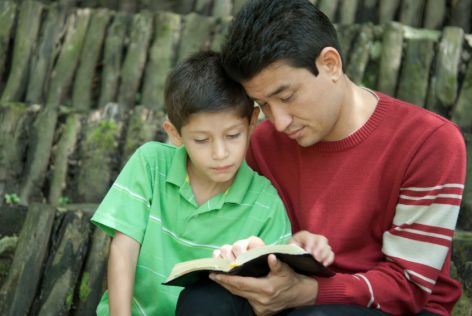
    If-I-Were-a-Rich-Dad“The book Rich Dad, Poor Dad taps into our desire to understand what the rich know. But I look to a different book to understand fatherhood—and true riches!

    Many years ago on a long road trip taking our kids to summer camp, a friend played an audio book called Rich Dad, Poor Dad. The subtitle of the book is “What the Rich Teach Their Kids About Money That the Poor and Middle Class Do Not!”

    The author’s basic theme is that his real dad, a highly educated public servant, constantly complained about being broke, while his best friend’s father constantly enjoyed the finer things in life. The book claims to be a collection of financial lessons he learned from both men. From the parts I heard, it was clear that he had more respect for his “rich dad’s” street sense and his financial goals and choices.

    I admit that I didn’t hear the whole book and I remember even less, so I’m not trying to comment on any financial principles the book might espouse. But what stuck with me was the low esteem the author seemed to have for his real dad’s accomplishments in life.

    My poor dad

    My own father has never been rich, but I have felt richly blessed to have him as my father. My dad was actually doing fairly well financially working for a huge aerospace firm, but when he learned about the biblical Sabbath, he faced a choice between keeping his job or obeying the things he was learning in a best-selling book: the Holy Bible. He chose faith over financial security.

    In his new profession as a self-employed house painter, my dad worked hard. He was fair—and more than fair—to his clients. He never wanted to charge more than he thought was reasonable, and he ended up absorbing some losses because he was too nice.

    Doing these things did not lead my dad to financial success, but they are admirable qualities of a true and giving Christian. I saw the biblical principles of turning the other cheek and esteeming others better than himself in action (Matthew 5:39; Philippians 2:3).

    My rich Dad

    As much as I respect and appreciate my poor dad, I also appreciate that he helped introduce me to my rich Dad and His wonderful instruction book. By bringing me up “in the training and admonition of the Lord,” my dad helped me to identify the true riches (Ephesians 6:4).

    What are those true riches? The Bible records this breathtaking promise to those God is calling:

    “Behold what manner of love the Father has bestowed on us, that we should be called children of God!” (1 John 3:1).

    God—the Creator of the entire universe, the owner of all the gold and silver, the most powerful being imaginable—loves us and wants us to be His sons and daughters!

    That’s a message that I want to share with my family and friends and everyone!

    If I were a rich dad …

    I am not considered rich in this society, but I have been blessed in many ways, including living in the United States and having a rewarding job that takes care of my needs. In talking with people from developing countries, I am reminded of how blessed I truly am!

    However, I don’t have a large inheritance to pass on to my children in this world. Like Tevye in Fiddler on the Roof, I could wish I were a rich man—at least for the sake of my family.

    But most of all, I hope that I have shared with my children what has been entrusted to me—the true riches of a spiritual relationship with God our Father. In the eternal scheme of things, that relationship is far more valuable than all the silver and gold in the universe.

    I hope you will want to learn more about my rich Dad and His offer to humans to become His children. There is no priority more important! Please take time now to read more of what the Bible reveals about this wonderful truth in the article “Children of God.”

    Happy Father’s Day to my poor dad and my rich Dad!”  From: https://lifehopeandtruth.com/life/blog/if-i-were-a-rich-dad/

    _________

    Helping Our Children Grow

    “How can we create the best environment for teaching and helping our children grow? How can we make a peaceful home for the children God has entrusted to us?

    Helping Our Children Grow

    All humans start out as sweet, lovable and innocent little babies. They come into this world without emotional baggage or bad habits to break.

    Practically everything has to be learned—how to eat, when to sleep, how to use the toilet, crawl, walk, talk, listen, read and so much more—and parents are their first and most important teachers. What and how they learn greatly affects whether they grow up to be wise or foolish.

    Many factors influence the minds of our children as they grow up, including their peers, entertainment and the powerful influence of social media. But most studies show that the family still has the strongest effect of all of these.

    How we parent our children determines to a great extent their future. It deeply impacts how well they will do on their jobs, the type of person they will choose to marry and the success of that relationship, how they will parent their own children and the relationship they will have with them.

    No parent wants to go through the anguish of seeing his or her children choose a path that will destroy their future happiness. So what can we do to ensure our children become successful adults?

    “Unless the Lord builds the house”

    The foundation of a successful home and family begins even before you marry. What can you do to prepare to be a godly mate and parent? And what kind of person do you want to marry and have as the father or mother of your children?

    Solomon wisely noted, “Unless the Lord builds the house, they labor in vain who build it” and “Behold, children are a heritage from the Lord” (Psalm 127:1, 3). A wise person will therefore first seek God’s blessing on his or her marriage. And once you are married and decide to have children, why not first ask God to bless the conception, birth and your parenting efforts?

    God blesses us with these little ones, and He is the One who can teach us how to bring them to adulthood successfully.

    Two great commandments: principles for how to raise a child

    God has not left us without guidelines we can use to provide a more fulfilling life for our children. Certainly there is no guarantee, as children sometimes make bad choices, but applying these guidelines will greatly increase our odds of a good outcome.

    The greatest laws of life are also the greatest guides to successful childrearing. Jesus said the entire law of God could be summarized as two great commandments: Love God with all our hearts and love our neighbors as ourselves (Matthew 22:36-39). These two great laws provide the most important framework for steering our children toward a successful, fulfilling life.

    When we realize that every human has an awesome potential, including these little ones in our care for a brief period of time, parenting takes on a whole different outlook. What is our purpose in life? What is their future and purpose? It all ties in with our relationship with God and each other.
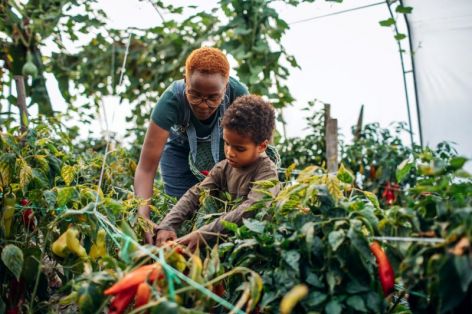
    If God is first in our lives, then He will be our go-to source for the help we need in this most important task of parenting. He will help us create the environment to assist our children in growing into the kind of adults they need to be—people who love God with all their hearts and their neighbors as themselves!

    Positive environment for child development

    When I think about an environment for growth, an experience from years ago comes to mind.

    Indiana is beautiful in the summer; but in the dead of winter, it can be a cold, dreary place. Very few evergreens exist to provide color, and when no snow falls the landscape is a dull gray.

    On one of those cloudy days, my wife and I visited a couple who owned a nursery farm. We stepped from our car into the cold north wind and made our way over to some long buildings.

    As we stepped through the doors, we were welcomed by a pleasant 72-degree temperature and met with rows and rows of beautiful flowers and many varieties of verdant young vegetable plants.

    No matter how cold, snowy and windy it was outside, inside those buildings we found the ideal environment in which plants could thrive. If we create the right environment, we can grow almost anything we want to.

    The same is true for children. Give them the right environment, and they will develop the qualities they’ll need for a great future.

    We can’t totally insulate our children from all the negative things of this world, but we can create an environment in our homes where they can grow and thrive.

    Peaceful home

    My wife and I had the goal of making our home a sanctuary for our children. No matter what kind of day they had at school or in the neighborhood, we wanted our home to be a place they would find peace, security, kindness and love. The family environment is what makes a house a home. The world is not always the nicest place, and after a hard day at school or work, we all need a warm place to come home to.

    My wife and I had the goal of making our home a sanctuary for our children. No matter what kind of day they had at school or in the neighborhood, we wanted our home to be a place they would find peace, security, kindness and love.

    “For God is not the author of confusion but of peace” (1 Corinthians 14:33). Teaching family members to respect others and providing the security of structure for everyone establishes an atmosphere for growth.

    A few of the building blocks for creating this kind of environment in the home include:

    • Settling differences without screaming and anger.
    • Having meals together.
    • Viewing television and computer screens less and talking and listening more.
    • Creating family traditions, such as family activity nights and family Bible studies.
    • Reading to children a lot, especially when they are small. They love it! It provides not only a great emotional connector with the parents but it instills in them a desire to learn.

    And, of course, the most powerful method of instruction is our example. A picture is worth a thousand words, and a good example of what to do is worth a thousand spoken “don’ts.” 

    Above all, it’s vital that we teach our children about God as early as possible and also that they see that God is important to us. They need to know that He is the source of every good and perfect gift we have to enjoy (James 1:17).

    Teaching our children

    God tells us to teach our children about Him and His instructions for us every day, all through the day, to explain how obeying His laws makes life good for us and others.

    “You shall love the LORD your God with all your heart, with all your soul, and with all your strength. And these words which I command you today shall be in your heart. You shall teach them diligently to your children, and shall talk of them when you sit in your house, when you walk by the way, when you lie down, and when you rise up” (Deuteronomy 6:5-7, 24; see also 10:13).

    When our children were small, our family was frequently together in the car. On long trips, our children would often ask me to tell them stories. I would make up stories about young heroes and villains, but I always worked in a moral to the story as another way to teach them about honesty, serving others or sacrifice for a good cause.

    It can be challenging to find time to teach our children. Thankfully, God gave us the Sabbath command—to cease from our work and play on the seventh day. (For more about this, download our free booklet The Sabbath: A Neglected Gift From God.) My family found that the Sabbath was special time unlike the rest of the week, because it provided great opportunities to enjoy time together and to talk about God’s Word and way of life.

    My wife always prepared a nice meal for the beginning of the Sabbath, Friday evening. Our children knew that dessert came after our family Bible study, so they were always excited for the study to begin. We tried to keep it interesting and relevant for their ages and to involve them by making it interactive.

    Helping our children grow in discipline and accountability

    Rules and discipline are a necessary part of life. If parents don’t require their children to live within the boundaries of correct conduct, life will, and experience can be the harshest disciplinarian. Even God, our Father, disciplines us for our benefit (Hebrews 12:10).

    The Bible teaches loving discipline and instructs parents to avoid harsh and unreasonable rules and enforcement (Proverbs 13:24; 22:6; Ephesians 6:4; Colossians 3:21).

    Recent research backs up the effectiveness of this loving approach. “A large body of research on attitudes indicates that parental warmth together with reasonable levels of control combine to produce positive child outcomes” (Joan E. Grusec, PhD, and Tanya Danyliuk, BA, “Parents’ Attitudes and Beliefs: Their Impact on Children’s Development”).

    Wise parenting, however, looks deeper than just correcting specific infractions. Even more important than wrong actions are the attitudes or motives behind them. Consider what those may be so you can address those when necessary.

    There are no perfect parents

    No matter how well parents have done, they all say in hindsight, “I made some mistakes. I could have done better.” There are no perfect parents. So don’t get discouraged. Do the best you can with God’s help, and entrust the outcome to Him.

    God gave His Son as a gift to the world. Although God’s gift is far above anything we can imagine, there is a way in which He wants us to give our children as a gift as well. He wants us to prepare them to make a contribution to the world—to make it a better place for others!

    We encourage you to learn more about what the Bible says about parenting and building a strong family. The articles in the “Parenting” and “Family” sections can help.

    Bible Verses About Parenting Responsibilities

    The apostle Paul tells us the most important things a parent can teach:

    “Fathers, do not provoke your children to wrath [lest they become discouraged, Colossians 3:21 adds], but bring them up in the training and admonition of the Lord” (Ephesians 6:4).

    Paul packs a lot into this short instruction to parents.

    First, he gives a warning not to be unreasonable, severe or demeaning—not to dishearten them, but to encourage them.

    “Bring them up” is from the same Greek word translated “nourishes” in Ephesians 5:29, where Paul points out how much we nourish and cherish our own bodies. It is natural that parents should lovingly feed their children’s bodies and minds.

    And what is the main subject of all the training and admonition? It is the way of the Lord. This is the most important thing a parent can teach. How to obey God. How to fear Him, please Him and even become like Him. Why?

    Because children are a heritage from the Lord (Psalm 127:3)—He gives them to us to raise, but they are really His.

    We must learn the way of the Lord ourselves in order to teach it, but, thankfully, it is all laid out for us in one textbook—the Holy Bible. The Bible gives us the foundational truths that help us—and our children—make sense of all other important truths.

    Introduce your children to God through age-appropriate Bible study, prayer, exploring His creation and practical application of biblical principles. As your child sees you live out your faith, he or she will learn how reverence of God leads to wise choices and blessings. Obeying God’s laws brings benefits now—and forever.

    Some of those benefits are described in the verses at the beginning of Ephesians 6. Learning to honor parents is a step toward honoring God, and God specifically listed the benefits obeying this Fifth Commandment can bring: “‘Honor your father and mother,’ which is the first commandment with promise: ‘that it may be well with you and you may live long on the earth’” (verses 2-3).

    Read more in our articles “How to Help Your Children Build a Relationship With God” and “Fifth Commandment: Honor Your Father and Your Mother.”

    Parenting: Instructions Not Included

    Even though we might not endorse the film itself, the title to the 2013 movie Instructions Not Included certainly resonates with many new parents!

    Many governments require training for teachers, camp directors and child protective services, yet it seems we expect parents to intuitively know what to do. We expect mothers and fathers to learn on the job—and they sure do!

    But the biblical expectation is more effective and encouraging. God ideally wanted parents to learn to be parents from their parents. If your parents haven’t given you this training, consider asking them for it. It’s a biblical principle and even if they made some big mistakes, perhaps they learned from those and can now provide meaningful advice within the framework of God’s principles.

    If your parents aren’t available or qualified, other family members or wise people you know might step into this role.

    Beyond personal experience, it can be helpful to study child development and what parenting “experts” have to teach. But beware of the parenting “fad of the year,” and compare the advice you read with that which has truly stood the test of time—the Bible. God created children and family, and our Heavenly Father truly knows what’s best. For more on Christian parenting, see the biblically based articles in our Life, Hope & Truth “Parenting” section.”  From: https://lifehopeandtruth.com/relationships/parenting/helping-our-children-grow/

    _________

    Tuesday, March 5, 2024

    5 Things Christ Will Undo and Redo at His Return. Should Christians Keep Mardi Gras? How does Plant-Based Eating Benefit Your Health?

    .

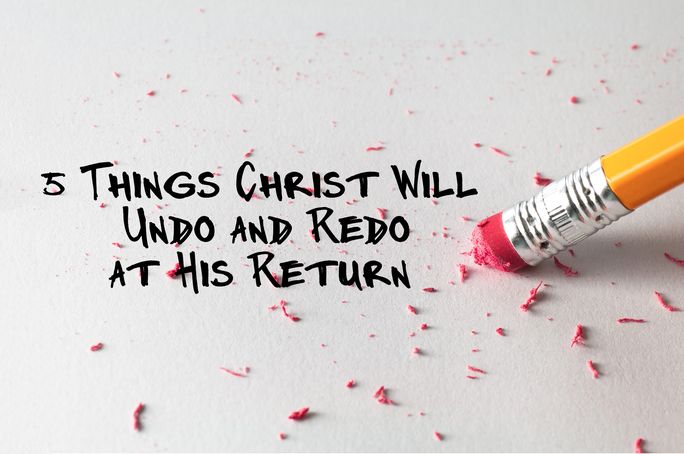
    5 Things Christ Will Undo and Redo at His Return

    5 Things Christ Will Undo and Redo at His Return “Mankind has done much damage to this earth, but God has a plan to fix man’s many mistakes. What will Christ “undo” and “redo” when He returns to earth?
    As a software developer, I consider “undo” to be an essential tool, and I use it often. When making changes to software, I occasionally realize I made a mistake. The easiest way to fix that mistake is to undo the changes I made and go back and do it right. I am fortunate to use an editor that remembers changes I made even after it has been closed.

    Wouldn’t life be great if we could undo our past mistakes and have a redo? Though life doesn’t provide us such an option, God has a plan that will undo the damage we humans have done to this earth, to one another and to ourselves. His plan is in motion and soon will be evident to all mankind when Jesus Christ returns to earth to establish God’s Kingdom here.

    Under Christ’s perfect government, mankind will learn to “redo” life, but this time following the perfect laws of God.

    Let’s consider some of the major things that will be undone and redone after Christ’s return.

    1. Swords and plowshares

    Undo: War between nations.

    Redo: Peaceful, mutually beneficial relationships between nations.

    After Christ returns, He will teach the nations His law, which is based on love Just before Christ returns to the earth, there will be a period of intense worldwide warfare when people will be beating “plowshares into swords” and “pruning hooks into spears” (Joel 3:10). This is ancient language describing implements of food production (which sustains life) being turned into implements of warfare (which destroys life).

    But after Christ returns, He will teach the nations His law, which is based on love (2 John 1:6). When godly love is understood and practiced on an international level, the nations will turn “swords [back] into plowshares” and “spears [back] into pruning hooks” (Micah 4:3).

    2. Food shortages

    Undo: Hunger and malnutrition affecting millions of people.

    Redo: An abundance of food where everyone’s needs are met.

    As we covered above, after Christ returns, the nations will no longer devote their economic resources to warfare and defense, but will instead redirect their economies to food production. Christ will restore an emphasis on agriculture that will allow the nations to sustain healthy populations. The prophet Amos foresaw a world where the “plowman shall overtake the reaper” (Amos 9:13).

    3. Dangerous animals

    Undo: The instinctual nature in many wild animals that makes them dangerous to humans and each other.

    Redo: A transformed nature of wild animals that makes them docile, tame and harmless.

    In the creation described in the first two chapters of Genesis, there was perfect harmony between the animals and mankind. But when Adam and Eve sinned and were kicked out of the Garden of Eden, they found many wild animals were now hostile to human beings. Christ will change the violent natures of animals so they will dwell safety with one another and with mankind (Isaiah 11:6-9).

    4. Knowledge of God

    Undo: Rejection of God and His laws.

    Redo: Acceptance of God and His laws in every aspect of life.

    In the book of Romans, the apostle Paul described the current state of humanity as being in rebellion against God (Romans 1:28). But Christ will make God’s beneficial laws undeniable. He will lead an educational system based on the ways of God. It will eventually lead to the knowledge of God covering the earth “as the waters cover the sea” (Isaiah 11:9). The prophet Jeremiah foresaw a time when everyone will know God (Jeremiah 31:34).

    5. God’s Sabbath and festivals

    Undo: Ignorance of God’s Sabbath and festivals.

    Redo: Knowledge and observance of the Sabbath and festivals.

    Within God’s law are holy times: the weekly Sabbath (Exodus 20:8-11) and annual festivals (Leviticus 23). Not only are these days when we are to worship God, they also reveal the major stages of His plan. These days will be observed by the entire world after Christ returns (Isaiah 66:23, ZechariaThe Mystery of the Kingdom free bookleth 14:16).

    This covered just a few aspects of our world that will be undone and redone after Jesus Christ returns. To learn more about this future time, download our free booklet The Mystery of the Kingdom.   From: https://lifehopeandtruth.com/prophecy/blog/5-things-christ-will-undo-and-redo-at-his-return/?

    ________

    Should Christians Keep Mardi Gras?

    Transcript of video at: https://www.ucg.org/beyond-today/beyond-today-dailys/should-christians-keep-mardi-gras

    Mardi Gras has its roots in religious tradition. But what does the Bible say?

    [Steve Myers] “Colorful costumes and masks and pageantry. That's all surrounding Mardi Gras. Mardi Gras is one of those traditions where...    sometimes I'll talk about the fact that it reminds me of the three Ds. There's dancing in the streets, there's drunkenness and debauchery. That kinda categorizes Fat Tuesday. That's literally what the term Mardi Gras means. Religiously it's called Shrove Tuesday because that's the day before Lent. Lent of course being more of a Catholic kind of a tradition that's rooted in pagan holidays. And what would happen at Lent is that you would give up something for Lent. And so before you give something up, you certainly want to overindulge and fatten up and, you know, get into food and drink and all those things so that you can then put that behind you and repent for the rest of this religious season.

    But when you really think about the implications of that religiously, it's really ridiculous. In modern carnival traditions and celebrations all around the world and whether it's in New Orleans or Rio or Nice, France. These are areas where they'll often celebrate for weeks, leading up to that time. When we lived in New Orleans for a while, I remember they talk about Fat Tuesday, and then instead of Ash Wednesday, they'd call it Trash Wednesday because there was so much junk leftover from these Mardi Gras celebrations. Well, is that something we should have any part in? These Catholic traditions that are not really based in the Bible at all. I mean, there's a couple of interesting aspects when you consider this. I was thinking of the passage that's found in Romans 13:13. It says the basic things. As Christians it says, "Let's walk properly in the day, not in revelry or drunkenness."

    Of course on TV, they'll show the parties and the fun but they don't show all of those types of things because that would certainly take away from the tourism of all those areas of the world. Romans goes on, "don't walk in lewdness and lust, not in strife and envy." And it's kind of a reminder, those are the things we should give up, but that's not good enough. This whole aspect of Mardi Gras and Lent, I think it is something that miss directs us to what the truth of God's word really is. Yes, we've got to give up lewdness and drunkenness and revelry and all those types of things that are against God's way of life. But Romans points out, it's not just about giving something up. We have to put something on and so verse 14 in Romans 13 says, "Put on the Lord Jesus Christ, make no provision for the flesh to fulfill its lust."

    And so that's an important aspect of Christianity, true Christianity. We not only put off those things that are wrong, but we've got to take it a step farther. We've got to put on everything that's right. So when you begin to hear about Mardi Gras celebrations, and all of those types of things in this upcoming Lent season that this religious world will keep, remember, it's not rooted in the Bible. In fact, let it remind you of the fact we need to put off the ways of the world, but more importantly then, put on Jesus Christ.”  From: https://www.ucg.org/beyond-today/beyond-today-dailys/should-christians-keep-mardi-gras

    ________

    How does Plant-Based Eating Benefit Your Health?

    father holding broccoli high-five daughter

    Whether you’re considering eating less meat or giving it up entirely, the benefits are clear: less risk of disease and improved health and well-being. Consuming less meat decreases the risk of:

    Meat is often loaded with cholesterol and saturated fat, which have starring roles in poor heart health. And processed meats, including deli meat, bacon and sausage, often have too much sodium and other additives, and should be limited. However, if you want to include meat into your eating plan, choose lean meats. Be sure to include skinless poultry, seafood, fish, beans, nuts and legumes, too, because they are healthy sources of protein.

    Diets or eating styles that do not or restrict meat include:

    • Vegan — entirely plant-based, excluding meat, fish, dairy, eggs, honey and any product that comes from an animal.
    • Vegetarians — a plant-based diet, but may include dairy and eggs.
    • Flexitarian — a vegetarian diet that sometimes indulges in meat or fish but mostly sticks to plant foods.
    • Plant-based — a style of cooking and eating that emphasizes plant-based foods but is not strictly limited to them. Meat may be included, but it’s usually not the main feature of the meal.

    Lean protein

    Not eating meat does not mean you can’t get enough protein in your diet. In fact, many people eat more than enough protein, especially from animal foods. There are plenty of other foods that can provide you with protein, such as tofu, edamame, quinoa, sorghum, lentils, chickpeas and most beans and legumes. And there are many good sources of protein from vegetables, too, including artichokes, asparagus, broccoli, Brussels sprouts, collards, corn, peppers, spinach, sweet potatoes and turnip greens. Did you know that every plant we eat has some protein in it? So, the more vegetables you eat, the more protein you’ll consume.

    Not all plant-based diets are healthy

    Don’t replace meats with highly processed meat substitutes or “vegan junk food.” Instead choose high-quality, nutrient-dense plant-based foods. A recent study showed that eating primarily these types of food, such as vegetables, fruits, whole grains, beans, legumes and nuts, was associated with a lower risk of death from cardiovascular diseases. The researchers concluded that even if you’ve eaten a poor diet for half your life, adding more healthy plant foods as an adult can help reduce your risk.

    Making the switch

    Going plant-based is not as difficult as you may think. In fact, getting started can be as easy as 1-2-3!

    1. Search for some vegetarian recipes that are easy to prepare and sound appealing to you and your family.
    2. Choose ingredients and flavors you know your family will enjoy.
    3. Try meatless Mondays! Experiment with a meatless meal once a week, then add more days as you get used to it.”          

    Written by American Heart Association editorial staff and reviewed by science and medicine advisors. See our editorial

    From: https://www.heart.org/en/healthy-living/healthy-eating/eat-smart/nutrition-basics/how-does-plant-forward-eating-benefit-your-health

    _________

    Tuesday, February 20, 2024

    What Does Your Appearance Say About You? Slaves of Sin or Slaves of Righteousness? What You Should Know About Plant-Based Diets.

    .

    What Does Your Appearance Say About You?

    What does your appearance say about you?“While sitting in a waiting room, waiting for an eye exam, an elderly gentleman walked in whose appearance caught my eye. He had a nice suit on with a very nice wool overcoat. His shoes where so shiny you could probably see yourself in them. I can assure you I did not try. I thought to myself, this guy is rich, probably a CEO. As I looked around the room, everyone else was dressed in their jeans and one lady even had holes in her jeans. When I looked at the other people in the room, and how they were dressed, I certainly was not left with the same impression as I with the immaculate dressed elderly gentleman.

    It made me think about our appearance. We know that God looks at the heart, and that is what is most important. But, our appearance leaves a message in others peoples minds. What does our appearance say about us? What is the first impression that people see when they see you? Does appearance mean anything? Is your appearance modest? Do we strive to wear our very best for the occasion? The main question we should also ask is does our appearance represent God? We are representative of God in our behavior and in our dress. We should dress as Ambassadors for the coming Kingdom of God. We should dress to honor God.

    You do not have to spend a lot of money to look well dressed. Many thrift or second hand stores have great clothing for a low budget. You can find great quality clothes at these second hand shops. I know after seeing this gentleman it made me want to try harder and dress better because I know our appearance projects an image of us and of God, especially if they know we are Christians.

    We want our appearance to project a high quality person, a representative of God! So always remember when you get ready to go somewhere what does your and my appearance say to others and am I representing God as an Ambassador?” From: https://www.ucg.org/beyond-today/blogs/what-does-your-appearance-say-about-you#comments.  Yes, there are lots of comments to read about this, too!

    _________

    Slaves of Sin or Slaves of Righteousness?

    Romans 6:15-16

    What then? Shall we sin because we are not under law but under grace? Certainly not! Do you not know that to whom you present yourselves slaves to obey, you are that one’s slaves whom you obey, whether of sin leading to death, or of obedience leading to righteousness?

    “The apostle Paul, after describing in Romans 5 the incredible sacrifice of Jesus Christ to pay the penalty of our sins and make possible the free gift of forgiveness and eternal life, saw the need to explain more fully.

    We can do nothing to “earn” forgiveness or eternal life, but that doesn’t mean that God wants us to continue sinning. Obviously if God hates sin so much that He requires the death penalty for sin, He does not want us to go back to doing it. Sin causes pain and suffering and death. Obeying God’s law produces right relationships and life.

    Paul points out that humans must choose whom they will serve: either sin leading to death or obedience to God’s good and righteous law, which leads to being right with God. Those are the only two choices; and as God said long before, He wants us to choose obedience and “choose life” (Deuteronomy 30:16-19).

    For more about sin and God’s law, see “The 10 Commandments for Today.” From: https://lifehopeandtruth.com/bible/blog/slaves-of-sin-or-slaves-of-righteousness/?

    ________

    What You Should Know About Plant-Based Diets

    eating veggies in a buddha bowl“Learn the pros, cons and safe ways to remove meat products from your diet ​

    Thinking about trying out a plant-based diet and want to know more? Here, dietitians Kate Patton, MEd, RD, CSSD, LD, and Julia Zumpano, RD, LD, explore some details that can help you decide if it’s right for you — and if so, how to jump right in.

    What is a plant-based diet?

    These vegan-like diets eliminate all animal products, including meat, poultry, fish, eggs, dairy and honey. As the name suggests, everything you eat — including whole grains, fruits, vegetables, legumes, nuts and seeds — is derived from plants.

    Are plant-based diets healthy?

    Research reflects that following a plant-based diet has significant health benefits as long as you do it correctly.

    “No matter when you start, a diet that is focused on plant foods will help you work toward the prevention of many illnesses and feeling better overall,” Zumpano says.

    If followed properly, a whole foods, plant-based diet limits the use of oils, added sugars and processed foods, leaving only whole foods to provide nutrition. This maximizes nutrient intake and virtually eliminates foods that can lead to poor health outcomes.

    These diets are low in saturated fat, free of cholesterol, and rich in fiber, vitamins, minerals and antioxidants.

    Research also reveals that following this type of diet will lower your risks of:

    • Heart disease.
    • Hypertension (high blood pressure).
    • Diabetes.
    • Digestive disease.
    • Colon and breast cancers.
    • Obesity.

    Studies also show that a plant-based diet can help to lower body weight and reduce your LDL cholesterol.

    The cons of a plant-based diet

    Following a plant-based diet means saying goodbye to all animal products — including lean meat and dairy products such as milk, yogurt, cheese and ice cream.

    “That’s easier said than done for many of us,” Patton says. “But when you have the right guidelines and wrap in changes over time, replacing animal products in your diet is possible.”

    Another thing to note — if you don’t plan your plant-based diet correctly, you may not meet all your protein, vitamin and mineral needs. And you won’t feel or look your best if you develop a nutritional deficiency. But there are easy ways to make sure you’re getting the nutrients you need.

    How to get enough protein

    You’ll want to make sure that your diet includes enough protein to maintain muscle mass, strong bones and healthy skin. The following foods are packed with protein:

    • Beans, lentils and split peas.
    • Quinoa.
    • Fermented Soy products like tempeh, tofu, soybeans and soy milk.
    • Nuts and seeds.
    How to get enough vitamins and minerals

    You’ll also need to get adequate calcium and vitamin D in your diet to ensure healthy bones. This won’t be difficult if you:

    • Drink a milk alternative such as soy, almond, rice or hemp milk, which contain both calcium and the vitamin D needed to absorb it.
    • Eat plenty of dark green leafy lettuce and beans which contain calcium.
    • Eat mushrooms and fortified cereals which contain vitamin D. If you aren’t consuming fortified foods on a consistent basis you’ll need to take a vitamin D supplement. Sunlight is another source of vitamin D.

    You’ll also need enough zinc in your diet to support a healthy immune system, enough iron to maintain energy and immunity and enough vitamin B12 to produce red blood cells and prevent anemia. This means you’ll want to:

    • Eat whole grains, beans and fortified cereals for zinc and iron.
    • Eat fortified cereals and soy products to get your vitamin B12.
    • Nutritional yeast is also a great source of vitamin B12.
    How to get started on a plant-based diet  …………..
    Continued at: https://health.clevelandclinic.org/is-a-plant-based-diet-right-for-you

    __________

    Sunday, January 28, 2024

    Valentine's Day What's Wrong With Showing Love? How do I connect with God? Why did God change our diet?

    .

    Valentine's Day, What's Wrong With Showing Love?

    A bundle of roses.

    “Valentine's Day has become a very romantic holiday despite its pagan origins. So what's wrong with celebrating this holiday?

    Thinkstock

    Valentine's Day is all about showing "love," giving a card or flowers or chocolates to a loved one. All of that's good, right? Wrong.

    Valentine's Day is big business. According to the National Retail Foundation, Valentine's Day for 2012 added around $17.6 billion to the U.S. economy—making retail spending for this day the second-largest behind Christmas.

    For a lot of people it's the holiday to express your love to someone special. According to Kemberly King, a business instructor at South University, young adults ages 25-34 spend the most on Valentine's Day gifts. Interestingly, men will outspend women—almost 2 to 1—with the biggest categories for all spending being restaurants, candy, romantic getaways and flowers.

    A quick Web search for the origins of Valentine's Day will give you the basics of the accepted history of the day. A deeper search will acknowledge its pagan origins. The Good News magazine (sister publication of Vertical Thought) has published a variety of articles on both of these aspects of Valentine's Day. While Valentine's Day is the most promoted holiday after Christmas and Easter even among traditional Christian churches, it is definitely not a holiday with true Christian values.

    How can "love" be wrong?

    There's nothing wrong in showing love to others—after all, isn't that the most valued Christian characteristic? But what's been lost in how we go about it, and how we worship God for that matter, is whether we are actually following what God teaches in the Bible. It's like an automobile manufacturer tells you to put only gasoline in the fuel tank, but then you decide that diesel fuel is just as good! It just won't work.

    Here's a quick review of the background of Valentine's Day—before exploring a deeper point about this holiday.

    By most accepted historians, Valentine's Day was an adaptation by the Catholic Church of the ancient pagan Roman celebration of Lupercalia, a fertility festival. The Catholic Church updated and connected it to a "Saint" Valentine sometime late in the third century A.D. (though there is some confusion as to who this person actually was). It really took off commercially as a holiday in the late 1800s, promoted as a day to show your "love" to others—especially romantic love to your special someone.

    So what's wrong with that? Here's the problem: Lupercalia was an immoral fertility festival also featuring gluttony and drunkenness. At the end of the festivities young men would draw the name of a young lady from a box and the two were considered a pair (sexually and otherwise) for the coming year.

    As a festival Lupercalia was dedicated to the Roman god Pan, recognized as the god of fields, groves and wooded glens—and pictured as having the hindquarters, legs and horns of a goat. This pagan deity was connected to fertility and the season of spring. None of what is connected to the feast of Lupercalia is worthy of a Christian's observance.

    But what's wrong with a little paganism?

    What about showing love on Valentine's Day if I'm not doing it for pagan reasons? Isn't that okay? No, because the expression of that kind of "love" is still rooted in a former pagan holiday. True Christians must not adopt pagan festivals as holidays, for they are to strive to please God in everything they do.

    Even when you think you're innocently observing a holiday like this, you're still advancing the origins and meanings of the day—especially from His perspective, as He certainly knows where it came from. God said not to do this. He told the Israelites entering the pagan land of Canaan:

    "When the Lord your God cuts off from before you the nations which you go to dispossess, and you displace them and dwell in their land, take heed to yourself that you are not ensnared to follow them, after they are destroyed from before you, and that you do not inquire after their gods, saying, ‘How did these nations serve their gods? I also will do likewise.' You shall not worship the Lord your God in that way; for every abomination to the Lord which He hates they have done to their gods" (Deuteronomy 12:29-31, emphasis added).

    When we merge pagan teachings with what God instructs through the Bible, we weaken the truth and violate God's clear command.

    God's way is true love

    Showing love as God instructs is not wrong—romantic love included. It's a good thing to express your love toward others through a card, flowers, dinner out or any number of other ways. But don't do it under the trappings of a pagan holiday like Valentine's Day! If someone is special to you, then do those things throughout the year rather than waiting until February 14th.

    Our worship of God must first and foremost be according to His truth (John 4:24). Carryovers from pagan worship don't honor Him!

    God is personified by the characteristic of love (1 John 4:8). Godly love is genuine outgoing concern for others as God would love them—not as a selfish love. Divine love is reflected in keeping God's commandments (1 John 5:3), including the Ten Commandments and instruction like that in Deuteronomy cited above. True Christians desire to faithfully observe God's own Holy Days (see Leviticus 23 for a list of them). Celebrating holidays like Valentine's Day in opposition to God's instruction does not honor or obey Him—no matter how well intentioned or innocent we believe it to be.

    It does matter to God how we worship Him. He expects us to understand the difference between what He has declared holy and the profane teachings, customs and traditions masquerading as godly worship (Ezekiel 22:6).

    For a more complete review of comparing traditional religious holidays to God's Holy Days, we recommend that you read our Bible study aid Holidays or Holy Days: Does It Matter Which Days We Observe?”  From: https://www.ucg.org/vertical-thought/valentines-day-whats-wrong-with-showing-love

    ________

    How do I connect with God?

    I love those who love me, and those who seek me diligently will find me.” ~ Proverbs 8:17 

    “We must be proactive, we must diligently reach out and seek God in order to find Him.  We need to literally make time to get to know Him because without a deliberate, conscious effort it will probably never happen.

    How did you get to know your spouse?  You dated, right?  Did you just wake up one day and find yourself in a relationship?  No!  One of you specifically asked the other to go on a date so you could spend time with each other.  It's the only way to have a relationship with anyone, you must spend time with that person.  We get to know God personally through developing a deep, meaningful relationship by spending time with Him...and the best place to find Him is in His holy word.

    Q: Why does it seem so hard to find the time?

    A: Work, kids, breakfast, school, dance class, Little League, homework, meals, baths, chores, shopping, our social life…on and on!  These things can all get in the way. So now you must ask yourself, what do I want?  A hectic, chaotic life...or the peace found only in Christ?  We must prioritize our lives to include Him, make our daily reading as habitual as breakfast, and create a new habit.  We have to create a habit of going to our Bible, first thing, as soon as we get up every, single morning.

    By starting my day off with praise (thanking Him for everything), worship (praying and conversing), and study (reading His Word) my day will always go smoother.  This is the thing that motivates me the most, the knowledge that my entire day will go better if I do this one little thing.

    I’m just too busy…

    BHave you prayed about it?ut, you might ask, how can I possibly fit one more thing into my already crazy schedule?  You need to start earlier.  Start out by getting up just ten minutes earlier and go directly to your Bible.  No-one is up, it's quiet, and it's just you and God…He will do the rest.  Talk to Him, ask Him to help you…He will.

    After you do this for a while you can gradually increase your time.  How long is less important than being consistent every single day.  I try to spend an hour, I call it my power hour!  It’s the most important hour of my day.  This is when I get juiced up with the energy I need to get though the day.

    Here's how I start every day.  I get up, go to the living room, sit down on my couch and I pray.  I tell Him I'm sorry for messing up and how grateful I am for another day.  I then tell Him everything that's troubling me.  So often we complain to everyone about all our problems but forget to talk to God about them.

    "And whatever things you ask in prayer, believing, you will receive.” ~ Matthew 21:22  bible read me

    I then ask Him to guide me through my Bible reading and impress me with the things I need to know today.  I then sing a praise song or two, either one of my favorites or I just Google "praise songs" on YouTube and then sing along while I get a cup of coffee and start my day.

    Why you ask, is it so important for me to have this daily devotion time every morning?  Why can't I just pray when I need something or when I have the time?  Ask yourself this one little question to find that answer.  How long would I stay married if I approached my relationship with my spouse in the same manner...  just called him/her when I needed something, or had some time to kill?

    We must make our relationship with God our number one priority if we truly want to get closer to Him.  He surely made us His biggest priority.  Just think about what He gave up, how He suffered and died to have us with Him forever.

    Make your life easier...

    mornings are betterI'm gonna be honest here, some days I'm beat, I don't even feel like getting out of bed, let alone doing this devotional time.  And ya know what…these are the days that I need it the worst.  So I lay in bed and I pray.  I pray for the will to get up and do this.  I ask for the desire to just put one foot in front of the other to make it to the living room.  I then ask for Him to take the lead and help me through.  And He always does just that....and moreover, He's happy to do it.  What parent wouldn't be happy to help their child?

    “And you will seek me and find me, when you search for me with all your heart.” ~ Jeremiah 29:13

    Now that you know how to find God, how can you grow closer to Him?”

    From: https://thetruthmission.org/how-do-i-connect-with-god-2/

    __________

    Why did God change our diet?

    “And the woman said to the serpent, we may eat the fruit of the trees of the garden; but of the fruit of the tree which is in the midst of the garden, God has said, you shall not eat it, nor shall you touch it, lest you die.” ~Genesis 3:2-3

    “When you read the above verse, not much has changed. We are still listening to lies, and we are still defying Creator God with our disobedience. How sad is that?

    So, why did God change our diet? He didn’t change our diet, per se, but rather added to it as was necessary due to our sin condition. God originally made our bodies to eat specific fruits (in the Garden of Eden). Then, He added vegetables (at the fall of man when Adam & Eve were kicked out of Eden). And finally, He added “clean meats” only after the flood because there were no vegetables or fruits available to eat.

    But irregardless of what God has specifically created for us to eat, people still want what they want, they still want what God has told them not to eat! Just like Adam and Eve, they want what God has forbidden!

    Shoud we eat a greasy hamburger?People want their fat-filled hotdogs and sausages, ham and cheese, bacon and eggs! They don’t want to hear what the Bible says, nope! However, if we choose to eat these unclean foods; things God has not made for food, we will eventually get sick. We really need to see the big picture here. We need to understand that certain creatures were created solely as environmental filters. If we eat these creatures, we are ingesting the toxins that are in the animals that God created as toxin filters.

    Why would God make certain animals, and then tell us not to eat them? Let’s start with the bottom dwellers of the oceans for example. God made these creatures, not for food, but to filter the toxins out of the water. Clams and oysters, for example, filter the micro- contaminants from the water. Shrimp and crabs, lobsters and snails, as well as all the other things that live on the ocean floor, are there for clean up duty. They exist to eat the dead and decaying materials that sink to the bottom of the sea and to filter out the micro-contaminants as well.

    Do you want to eat a water filter?What exactly do you really know about these sea creatures? They are bottom dwellers, they troll the bottom of the seabed sustaining themselves on fish waste, as well as dead stuff that sinks to the seafloor. And if all that isn't enough to make you want to stop eating shrimp and crabs, how about the scientific fact that because they are water filters, they are literally chock-full of toxins! And, if that still isn't enough to make you want to give up consuming these nasty little things, how about the fact that God clearly tells us not to eat any environmental filters?

    Think of it this way, would we deliberately suck on a pool or aquarium filter? Of course not! Wouldn’t we also have an objection to not wanting to eat a rat or a mouse? Absolutely! But for whatever reason, we’re fine with eating other animals that are equally unclean.

    God gives us a very specific list of do’s and dont's when it comes to foods, but we've been conditioned through generations of compromise to be okay with eating these unclean and unhealthy foods. We think we've somehow found a way to overrule God’s perfect plan for us. Crazy, huh?  We need to heed God's dietary commandments for our own good health, and learn how to eat clean!

    What are clean and unclean meats…?

    These dietary rules can be found in Genesis, Leviticus & Deuteronomy, but are mentioned throughout the Bible. According to the Bible, clean meat is defined as the meat of every animal that has a split, or cloven hoof in two, and chews the cud. Examples of clean meat include the ox (cattle), buffalo, sheep, goat, deer, gazelle, antelope and mountain sheep, just to name a few.

    God gave us a long list of what to eat and, and, more importantly, what not to eat! God clearly tells us not to eat swine, in fact, He compares eating pork to eating rats and mice! And yet we continue to eat bacon, ham, sausage and so on. Would we ever eat a rat or a mouse? Of course not! God clearly tells us not to eat these things because they are scavengers, as are pigs as well. Also, they do not have sweat glands which makes them even more toxic because they are incapable of expressing toxins from their bodies.

    Seeing God’s word play-out in the Bible is a great way to understand why He did certain things. And even more amazing, is how somethings happened  before God ever mentioned them as laws.

    For example, let’s take the story of Noah’s ark. How many of each animal did he take into the ark? Two? That's only partially correct. Genesis 7:2 tells us that God instructed him to take seven of each "clean" animal into the ark, revealing that the distinction between clean and unclean animals actually predates the dietary laws that God gave Moses on Mount Sinai, by centuries. These examples clearly show us that God knew all along what would and wouldn’t be acceptable for us to eat, as well as the fact that He would be adding to our diet. And more importantly, is the fact that the science surrounding these toxins never changes, nor does the law of God!

    ​“For as many as have sinned without law will also perish without law, and as many as have sinned in the law will be judged by the law for not the hearers of the law are just in the sight of God, but the doers of the law will be justified.”   ~Romans 2:12-13

    ​Q: Are you ready to eat as God specifies?”  From: https://thetruthmission.org/why-did-god-change-our-diet/

    _______