Showing posts with label statins. Show all posts

Friday, February 28, 2025

Jesus Wasn't Crucified on Friday or Resurrected on Sunday. The 5 Supplements Pharmacists Would Never Take.

.

Jesus Wasn't Crucified on Friday or Resurrected on Sunday


How long was Jesus in the tomb?“How long was Jesus in the tomb?How can we fit three days and three nights between a Friday afternoon crucifixion and an Easter Sunday sunrise? The fact is, we can't. So what is the truth about when Jesus was crucified and resurrected? How long was Jesus Christ in the tomb?”

UCG.org

“Try as you might, it is impossible to fit three days and three nights between a late Friday burial and a Sunday morning resurrection. The Good Friday–Easter Sunday tradition simply isn’t true or biblical.

About one billion Protestants and another billion Catholics believe that Jesus Christ was crucified and entombed on a Friday afternoon—"Good Friday"—and raised to life again at daybreak on Easter Sunday morning, a day and a half later.

Yet when we compare this to what Jesus Himself said about how long He would be entombed, we find a major contradiction. How long did Jesus say He would be in the grave? "For as Jonah was three days and three nights in the belly of the great fish, so will the Son of Man be three days and three nights in the heart of the earth" (Matthew 12:40).

The key to understanding the timing of Christ's crucifixion and resurrection lies in understanding God's timetable for counting when days begin and end, as well as the timing of His biblical festivals during the spring of the year when these events took place.

The context in which Jesus Christ said these words is important. The scribes and Pharisees were demanding a miraculous sign from Him to prove that He was indeed the long-awaited Messiah. "But He answered and said to them, 'An evil and adulterous generation seeks after a sign, and no sign will be given to it except the sign of the prophet Jonah'" (verse 39).

This was the only sign Jesus gave that He was the promised Messiah: "For as Jonah was three days and three nights in the belly of the great fish, so will the Son of Man be three days and three nights in the heart of the earth" (emphasis added throughout).

Traditional timing doesn't add up

The Gospels are clear that Jesus died and His body was hurriedly placed in the tomb late in the afternoon, just before sundown when a Sabbath began (John 19:30-42).

By the traditional "Good Friday–Easter Sunday" timing, from Friday sundown to Saturday sundown is one night and one day. Saturday night to Sunday daybreak is another night, giving us two nights and one day.

So where do we get another night and two days to equal the three days and three nights Jesus said He would be in the tomb?

This is definitely a problem. Most theologians and religious scholars try to work around it by arguing that any part of a day or night counts as a day or night. Thus, they say, the final few minutes of that Friday afternoon were the first day, all day Saturday was the second day, and the first few minutes of Sunday morning were the third day.

Sounds reasonable, doesn't it?  The trouble is, it doesn't work. This only adds up to three days and two nights, not three days and three nights.

Also, John 20:1 tells us that "on the first day of the week Mary Magdalene went to the tomb early, while it was still dark, and saw that the stone had been taken away from the tomb."

The choice of a Sunday date for Easter is based on the assumption that Christ rose from the grave early on a Sunday morning. The popular belief is that Christ was crucified on a Friday and rose on a Sunday. But neither of these suppositions is true. A close reading of the Bible makes that quite clear.

Did you catch the problem here? John tells us it was still dark when Mary went to the tomb on Sunday morning and found it empty. Jesus was already resurrected well before daybreak. Thus He wasn't in the tomb any of the daylight portion of Sunday, so none of that can be counted as a day.

That leaves us with, at most, part of a day on Friday, all of Friday night, a whole daylight portion on Saturday, and most of Saturday night. That totals one full day and part of another, and one full night and most of another—still at least a full day and a full night short of the time Jesus said He would be in the tomb.

Clearly something doesn't add up. Either Jesus misspoke about the length of time He would be in the tomb, or the "Good Friday–Easter Sunday" timing is not biblical or accurate.

Obviously both cannot be true. So which one is right?

Understanding God's time is the key

The key to understanding the timing of Christ's crucifixion and resurrection lies in understanding God's timetable for counting when days begin and end, as well as the timing of His biblical festivals during the spring of the year when these events took place.

Most people have no idea that the Bible talks about two kinds of Sabbath days—the normal weekly Sabbath day that falls on the seventh day of the week and seven annual Sabbath days.

We first need to realize that God doesn't begin and end days at midnight as we do—that is a humanly devised method of counting time. Genesis 1:5 tells us quite plainly that God counts a day as beginning with the evening (the night portion) and ending at the next evening—"So the evening [nighttime] and the morning [daylight] were the first day." God repeats this formula for the entire six days of creation.

In Leviticus 23, where God lists all of His holy Sabbaths and festivals, He makes it clear that they are to be observed "from evening to evening" (Leviticus 23:32)—in other words, from sunset to sunset, when the sun went down and evening began.

This is why Joseph of Arimathea and Nicodemus, followers of Jesus, hurriedly placed His body in Joseph's nearby tomb just before sundown (John 19:39-42). A Sabbath was beginning at sundown (John 19:31), when work would have to cease.

Two kinds of "Sabbaths" lead to confusion

As John tells us in John 19:31: "Therefore, because it was the Preparation Day, that the bodies [of those crucified] should not remain on the cross on the Sabbath (for that Sabbath was a high day), the Jews asked Pilate that their legs might be broken [to hasten death], and that they might be taken away."

In the Jewish culture of that time, the chores of cooking and housecleaning were done on the day before a Sabbath to avoid working on God's designated day of rest. Thus the day before the Sabbath was commonly called "the preparation day." Clearly the day on which Christ was crucified and His body placed in the tomb was the day immediately preceding a Sabbath.

The question is, which Sabbath?

Most people assume John is speaking of the regular weekly Sabbath day, observed from Friday sunset to Saturday sunset. From John's clear statement here, most people assume Jesus died and was buried on a Friday—thus the traditional belief that Jesus was crucified and died on "Good Friday."

Most people have no idea that the Bible talks about two kinds of Sabbath days—the normal weekly Sabbath day that falls on the seventh day of the week (not to be confused with Sunday, which is the first day of the week), and seven annual Sabbath days, listed in Leviticus 23 and mentioned in various passages throughout the Bible, that could fall on any day of the week.

Because traditional Christianity long ago abandoned these biblical annual Sabbath days (as well as the weekly Sabbath), for many centuries people have failed to recognize what the Gospels plainly tell us about when Jesus Christ was crucified and resurrected—and why "Good Friday–Easter Sunday" never happened that way.

Most people fail to note that John explicitly tells us that the Sabbath that began at sundown immediately after Jesus was entombed was one of these annual Sabbath days. Notice in John 19:31 his explanation that "that Sabbath was a high day" —" high day" being a term used to differentiate the seven annual Sabbaths from the regular weekly Sabbath days.

So what was this "high day" that immediately followed Jesus Christ's hurried entombment?

The Gospels tell us that on the evening before Jesus was condemned and crucified, He kept the Passover with His disciples (Matthew 26:19-20; Mark 14:16-17; Luke 22:13-15). This means He was crucified on the Passover day.

Leviticus 23, which lists God's festivals, tells us that on the day after the Passover a separate festival, the Feast of Unleavened Bread, begins (Leviticus 23:5-6). The first day of this Feast is "a holy convocation" on which "no customary work" is to be done (Leviticus 23:7).

This day is the first of God's annual Sabbaths. This is the "high day" of which John wrote. Several Bible commentaries, encyclopedias and dictionaries note that John is referring to an annual Sabbath here rather than the regular weekly Sabbath day.

Passover began at sundown and ended the following day at sundown, when this annual Sabbath began. Jesus kept the Passover with His disciples, then was arrested later that night. After daybreak the next day He was questioned before Pontius Pilate, crucified, then hurriedly entombed just before the next sunset when the "high day," the first day of the Feast of Unleavened Bread, began.

Leviticus 23 tells us the order and timing of these days, and the Gospels confirm the order of events as they unfolded.

Jesus crucified on Wednesday, not Friday

Several computer software programs exist that enable us to calculate when the Passover and God's other festivals fall in any given year. Those programs show that in A.D. 31, the year of these events, the Passover meal was eaten on Tuesday night and Wednesday sundown marked the beginning of the "high day," the first day of the Feast of Unleavened Bread.

Jesus, then, was crucified and entombed on a Wednesday afternoon, not on Friday.

Try as you might, it is impossible to fit three days and three nights between a late Friday burial and a Sunday morning resurrection. The Good Friday–Easter Sunday tradition simply isn't true or biblical.

Can we find further proof of this in the Gospels? Yes, indeed we can!

Let's turn to a seldom-noticed detail in Mark 16:1: "Now when the Sabbath was past, Mary Magdalene, Mary the mother of James, and Salome bought spices, that they might come and anoint Him."

In that time, if the body of a loved one was placed in a tomb rather than being buried directly in the ground, friends and family would commonly place aromatic spices in the tomb alongside the body to reduce the smell as the remains decayed.

Since Jesus' body was placed in the tomb just before that high-day Sabbath began, the women had no time to buy those spices before the Sabbath. Also, they could not have purchased them on the Sabbath day, as shops were closed. Thus, Mark says, they bought the spices after the Sabbath"when the Sabbath was past."

But notice another revealing detail in Luke 23:55-56: "And the women who had come with [Christ] from Galilee followed after, and they observed the tomb and how His body was laid. Then they returned and prepared spices and fragrant oils. And they rested on the Sabbath according to the commandment."

Do you see a problem here? Mark clearly states that the women bought the spices after the Sabbath—"when the Sabbath was past."  Luke tells us that the women prepared the spices and fragrant oils, after which "they rested on the Sabbath according to the commandment."

So they bought the spices after the Sabbath, and then they prepared the spices before resting on the Sabbath. This is a clear contradiction between these two Gospel accounts—unless two Sabbaths were involved!

Indeed when we understand that two different Sabbaths are mentioned, the problem goes away.

Mark tells us that after the "high day" Sabbath, which began Wednesday evening at sundown and ended Thursday evening at sundown, the women bought the spices to anoint Jesus' body. Luke then tells us that the women prepared the spices—activity which would have taken place on Friday—and that afterward "they rested on the Sabbath [the normal weekly Sabbath day, observed Friday sunset to Saturday sunset] according to the commandment."

By comparing details in both accounts, we can clearly see that two different Sabbaths are mentioned along with a workday in between. The first Sabbath was a "high day"—the first day of the Feast of Unleavened Bread, which fell on a Thursday. The second was the weekly seventh-day Sabbath.

The original Greek in which the Gospels were written also plainly tells us that two Sabbath days were involved in these accounts. In Matthew 28:1, where Matthew writes that the women went to the tomb "after the Sabbath," the word Sabbath here is actually plural and should be translated "Sabbaths." Bible versions such as Alfred Marshall's Interlinear Greek-English New Testament, Green's Literal Translation Young's Literal Translation and Ferrar Fenton's Translation make this clear.

When was Jesus resurrected?

We have seen, then, that Jesus Christ was crucified and entombed on a Wednesday, just before an annual Sabbath began—not the weekly Sabbath. So when was He resurrected?

John 20:1, as noted earlier, tells us that "on the first day of the week Mary Magdalene went to the tomb early, while it was still dark, and saw that the stone had been taken away from the tomb." The sun had not yet risen— "it was still dark," John tells us—when Mary found the tomb empty.

Obviously, then, Jesus was not resurrected at sunrise on Sunday morning. So when did this take place? The answer is plain if we simply read the Gospels—and Jesus Christ's own words—and accept them for what they say.

"For as Jonah was three days and three nights in the belly of the great fish, so will the Son of Man be three days and three nights in the heart of the earth," said Jesus (Matthew 12:40).

As we have proven, Jesus was entombed —placed "in the heart of the earth"—just before sundown on a Wednesday. All we have to do is count forward. One day and one night brings us to Thursday at sundown. Another day and night brings us to Friday at sundown. A third day and night brings us to Saturday at sundown.

According to Jesus Christ's own words He would have been resurrected three days and nights after He was entombed, at around the same time—near sunset. Does this fit with the Scriptures? Yes—as we have seen, He was already risen and the tomb empty when Mary arrived "while it was still dark" on Sunday morning.

While no one was around to witness His resurrection (which took place inside a sealed tomb watched over by armed guards), Jesus Christ's own words and the details recorded in the Gospels show that it had to have happened three days and three nights after His burial, near sunset at the end of the weekly Sabbath.

Try as you might, it is impossible to fit three days and three nights between a late Friday burial and a Sunday morning resurrection. The Good Friday–Easter Sunday tradition simply isn't true or biblical. But when we look at all the details recorded in the Gospels and compare them with Jesus' own words, we can see the truth—and it matches perfectly.

The words of the angel of God, who so startled the women at the empty tomb, are proven true: "Do not be afraid, for I know that you are looking for Jesus, who was crucified. He is not here; he has risen, just as he said" (Matthew 28:5-6, New International Version).

Let's not cling to religious traditions and ideas that aren't supported by Scripture. Be sure that your own beliefs and practices are firmly rooted in the Bible. Are you willing to make a commitment to worship God according to biblical truth rather than human tradition?”  From: https://legacy.ucg.org/the-good-news/jesus-wasnt-crucified-on-friday-or-resurrected-on-sunday-how-long-was-jesus-in-the

_________

The chronology of the crucifixion and resurrection of Jesus Christ

The chronology of the crucifixion and resurrection of Jesus Christ“The following timeline for the crucifixion and resurrection of Jesus Christ accommodates three full nights (Wednesday night, Thursday night and Friday night) and three full daylight periods (Thursday, Friday and Saturday), as well as fitting in with the other details recorded in the Gospels.”

Tuesday

Jesus Christ ate an evening Passover meal with His disciples (at the beginning of Nisan 14, Jewish reckoning) and instituted the New Covenant symbols (Matthew 26:26-28). Jesus was then betrayed by Judas, arrested and during the night brought before the high priest.

Wednesday

Jesus was crucified and died around 3 p.m. (Matthew 27:46-50). This was the preparation day for the annual—not weekly—Sabbath, which began at sunset (Mark 15:42; Luke 23:54; John 19:31). Jesus' body was placed in the tomb just before sunset (Matthew 27:57-60).

Thursday

This was the high-day Sabbath, the first day of the biblical Feast of Unleavened Bread (John 19:31; Leviticus 23:4-7). It is described as the day after the "Day of Preparation" (Matthew 27:62). Wednesday night and the daylight portion of Thursday were the first of three days and nights Jesus' body was in the tomb.

Friday

The high-day annual Sabbath now past, the women bought and prepared spices for anointing Jesus' body before resting on the weekly Sabbath day, which began at Friday sunset (Mark 16:1; Luke 23:56). Thursday night and the daylight portion of Friday marked the second of three days and nights Jesus' body was entombed.

Saturday

The women rested on the weekly Sabbath day, according to the Fourth Commandment (Luke 23:56; Exodus 20:8-11). Jesus rose near sunset, exactly three days and three nights after His body was placed in the tomb, fulfilling the sign of Jonah and authenticating the sign He gave of His messiahship.

Sunday

The women brought the prepared spices early in the morning while it was still dark (Luke 24:1; John 20:1). Jesus had already risen (Matthew 28:1-6; Mark 16:2-6; Luke 24:2-3; John 20:1). He did not rise on Sunday morning, but near sunset the day before— three days and three nights after being put in the tomb, just as He foretold.

From: https://www.ucg.org/the-good-news/the-chronology-of-the-crucifixion-and-resurrection-of-jesus-christ

  • Source: The Good News magazine (Mar-Apr 2013)    
  • The Bible Insights Weekly e-letter is freely available upon request   Yes! Please Subscribe Me

_________

The 5 Supplements Pharmacists Would Never Take

woman consulting with a pharmacistImage Credit: Maskot/Getty Images

“It's your pharmacist's job to know the ins and outs of every medication in the drug store. But they're also a wealth of knowledge when it comes to vitamins and supplements — including the potential risks or downsides you should be aware of.

In fact, there may be some supplements on the drugstore shelf that the pharmacist might recommend avoiding, especially if you haven't consulted with your doctor first. At the top of the list: These five popular picks.

1. Ashwagandha

The traditional Ayurvedic herb is a favorite among health influencers for its potential to relieve stress and anxiety, enhance sleep and support energy levels.

"There is a lot of evidence to support its use; however, the amount in which each individual is able to tolerate varies, and there is not enough research with randomized controlled trials to know exactly how much each person can tolerate," says Sonia Amin Thomas, PharmD, BCOP, interim co-chair of the Department of Pharmacy Practice at PCOM Georgia.

That's problematic because ashwagandha often shows up in products like teas and latte blends, protein powders and even multivitamins — but we just don't have good data on the long-term safety of ashwagandha, Thomas says. And in rare instances, it's been shown to have negative effects on liver and thyroid function, according to the National Institutes of Health (NIH).

That's not to say you need to avoid ashwagandha completely. But it's important to have a conversation with your health care provider about whether it's a healthy choice for you.

2. Kava

Kava powders, tinctures, concentrates and pills abound, with many products claiming this herbal remedy can help ease feelings of anxiety. And indeed, there's some evidence to support that — but kava has also been linked to some harmful side effects, including severe liver toxicity according to the National Center for Complementary and Integrative Health (NCCIH).

That's why Katy Dubinsky, PharmD, CEO of Vitalize, recommends steering clear. "Kava's compounds actively harm liver cells, with the danger growing when one combines them with alcohol or medications that the liver also metabolizes," she says. "In spite of its calming effects, the potential for liver damage is considered a high-risk option."

3. Licorice

Some people turn to licorice root tea for help managing GI problems like bloating or nausea, or to support recovery for bacterial and viral infections. Problem is, "many people buy herbal teas over the counter and don't realize the amount of licorice that might be in each one," Thomas says. And consuming large quantities of licorice for long periods can cause harmful side effects like elevated blood pressure, according to the NCCIH.

Like ashwagandha, supplements with licorice root don't have to be a complete no-go. But you should discuss your use with your doctor first and decide together on how much to take, Thomas says. "My recommendation is to check the ingredients and know exactly how many milligrams you are ingesting," she adds.

4. St. John's Wort

Some people try this herbal remedy as a way to manage mild depression, and it can potentially be effective, notes the Mayo Clinic.

But St. John's wort also has the potential to interact with many types of medications, which could set the stage for harmful side effects, Dubinsky says. Those meds include birth control pills, chemotherapy drugs, cyclosporine, narcotics, heart medications like digoxin and blood thinners like warfarin.

"Birth control pills, blood thinners and chemotherapy drugs can experience reduced effectiveness," when taken alongside St. John' wort, Dubinsky warns.

You also shouldn't take St. John's wort if you're already on antidepressants. The combination could increase your risk for serotonin syndrome, a life-threatening condition that occurs when the brain's levels of the neurotransmitter serotonin get too high and cause symptoms like high blood pressure and rapid heartbeat, warns the NCCIH.

5. Red Yeast Rice

Sometimes touted as a natural cholesterol-lowering alternative to statins, red yeast rice comes with some serious health concerns, Dubinsky says. It's thought to potentially contain monacolin K, which is the same active ingredient in the prescription drug lovastatin. As such, red yeast rice may pose similar side effects to statins, like liver damage and muscle disorders, notes the Mayo Clinic. The risk for liver damage is higher if you drink alcohol or grapefruit juice (or eat grapefruit), according to Mount Sinai.

Monacolin K may also interact with other meds you might be taking, "such as certain antibiotics, the antidepressant nefazodone and drugs for fungal infections as well as HIV infections, along with other cholesterol-lowering medications," Dubinsky says.

Smart Tips for Buying and Taking Supplements

Many supplements can be a part of a healthy diet. But it's important to be thoughtful about what you take. Herbal remedies have different effects at different dosages and on different people. That's paired with the fact that you don't always know what you're actually getting from a given product, say Thomas and Dubinsky.

To reap the benefits of supplements while staying safe, you should:

  • Get the green light from your doctor first.‌ You can talk about the benefits and drawbacks of a given supplement with your current health and medical history in mind. Your doctor may also have recommendations for a specific product or brand that they know is high-quality.
  • Buy certified products.‌ Look for the seal of a third-party certifier like NSF or the United States Pharmacopeia (USP), recommends the Council for Responsible Nutrition (CRN). Verification can indicate that the product has met specific manufacturing standards and contains the ingredients and ingredient amounts listed on its label.
  • Stick with big-name brands from big-name retailers.‌ Major brands sold by long-established vendors (like GNC or The Vitamin Shoppe) are more likely to stand behind their products than some lesser-known brands or retailers.”       From:  https://www.livestrong.com/article/13779211-supplements-pharmacists-would-never-take/

_______


Sunday, August 27, 2023

What’s the Bible For? The Biblical Authors. What Is TMAO and How Can We Reduce Our Levels?

.

What’s the Bible For?

2 Timothy 3:15-17

And that from childhood you have known the Holy Scriptures, which are able to make you wise for salvation through faith which is in Christ Jesus. All Scripture is given by inspiration of God, and is profitable for doctrine, for reproof, for correction, for instruction in righteousness, that the man of God may be complete, thoroughly equipped for every good work.

“The Holy Scriptures available to Timothy as a child would, of course, have been what we call the Old Testament today. The apostle Paul and the New Testament Church held the Old Testament in high esteem and quoted from it often in sermons and writings. The Old Testament revealed much about Jesus Christ, including both His first and second comings, and the salvation that is available because of His sacrifice.

All Scripture, which Peter later showed included Paul’s writings as well (2 Peter 3:16), was breathed—what we call inspired—by God. What is the Bible useful for?

  • Doctrine—teaching us God’s will.
  • Reproof—conviction or proof of wrongdoing.
  • Correction—setting us straight.
  • Instruction in righteousness—disciplining or training.

The Good News Translation puts it this way: All Scripture “is useful for teaching the truth, rebuking error, correcting faults, and giving instruction for right living, so that the person who serves God may be fully qualified and equipped to do every kind of good deed” (verses 16-17).”  

For more about this passage, see “What Is the Meaning of 2 Timothy 3:16?” For more about what the Bible can do for us, see “Why Study the Bible?”  From: https://lifehopeandtruth.com/bible/blog/whats-the-bible-for/

________

The Author Behind the Biblical Authors

Revelation 1:19

“Write the things which you have seen, and the things which are, and the things which will take place after this.”

The various books that make up the Bible make no secret that though they were written down by dozens of different men, they all were inspired by a single author (2 Timothy 3:16). In Revelation 1:19, Jesus Christ told the apostle John to write down these things that make up the last book of the Bible.

At the other end of the Bible, we see God telling Moses to write down what He revealed to him (Exodus 34:27). Moses went on to write the first five books of the Bible (the Law or the Pentateuch).

It’s interesting to note that the One who appeared to Moses is also revealed as the One who became Jesus Christ: “For they drank of that spiritual Rock that followed them, and that Rock was Christ” (1 Corinthians 10:4).

Jesus Christ, the Word of God (John 1:1), also inspired the written Word of God, from Genesis to Revelation, from Moses to John.”  From: https://lifehopeandtruth.com/bible/blog/the-author-behind-the-biblical-authors/

For more about the inspiration and accuracy of the Bible, see “Who Wrote the Bible?” “How Do We Know the Bible Is True?” and related articles. 

________

What Is TMAO and How Can We Reduce Our Levels?

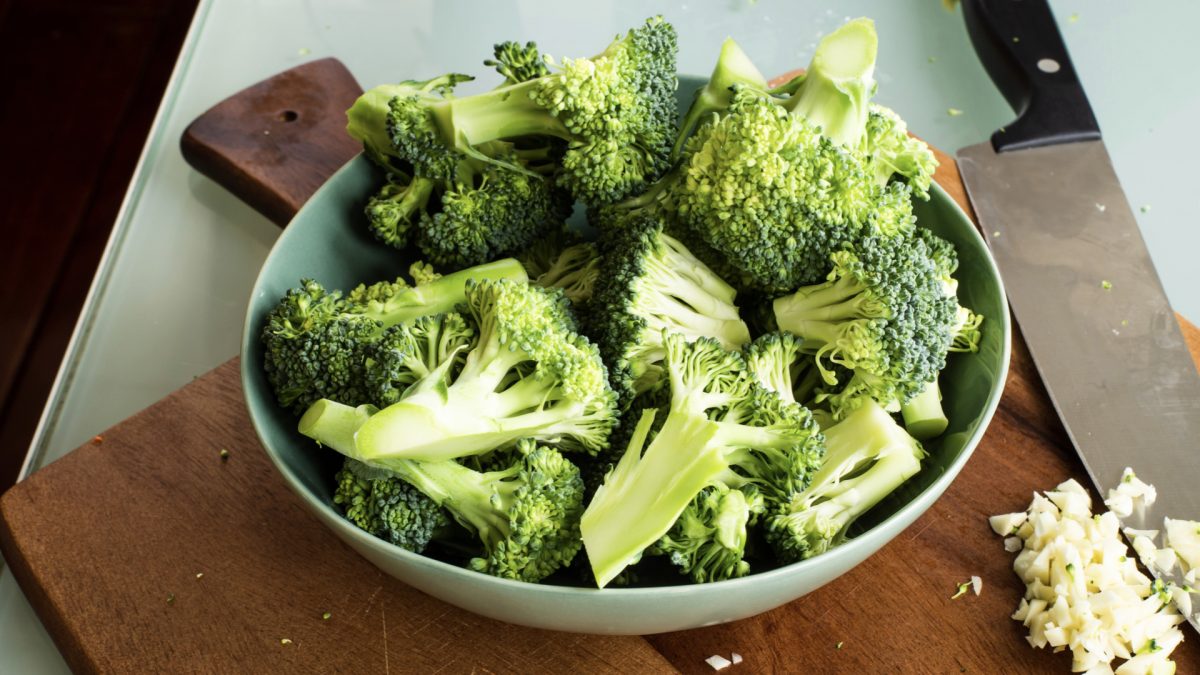
Image Credit: Unsplash. This image has been modified.

“Trimethylamine oxide, more commonly known as TMAO, is considered the smoking gun of microbiome-disease interactions.

What Is TMAO?

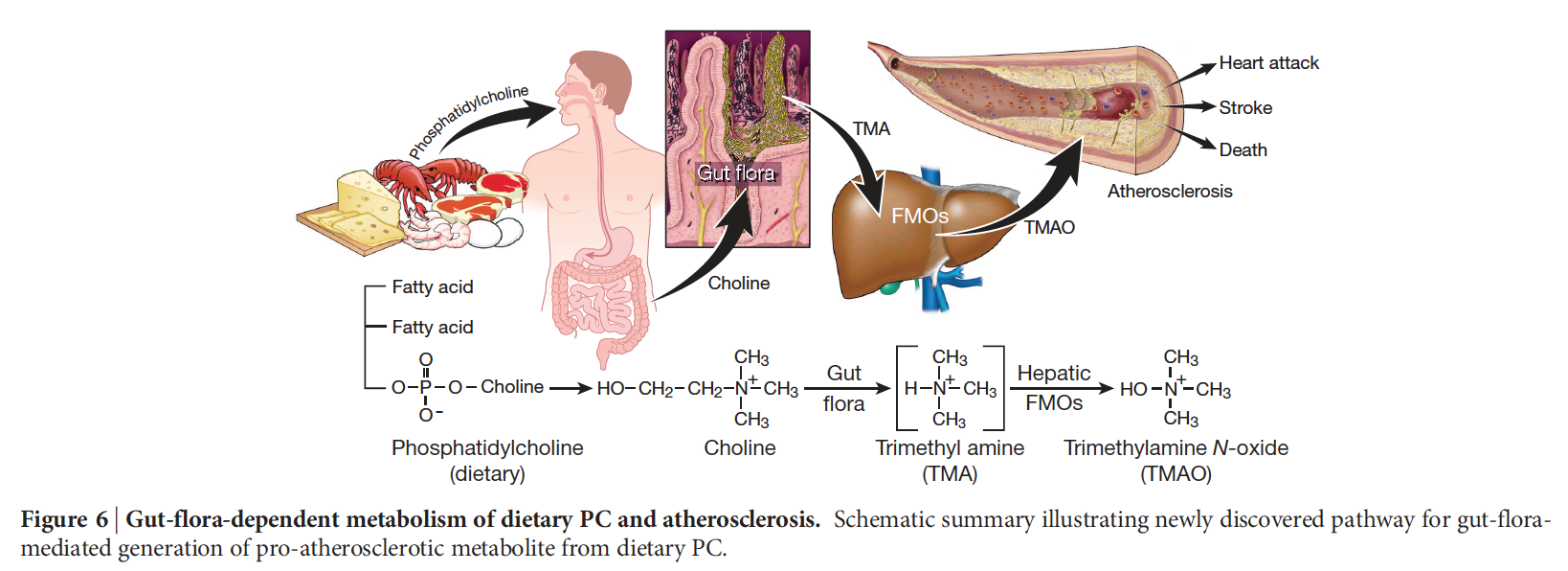
When we eat foods with high concentrations of choline, a nutrient I discuss in more detail below, certain bacteria in our gut make trimethylamine, or TMA. Our system absorbs the compound, and our liver oxidizes it into TMAO. You can see a graphic illustrating this process below and at 2:19 in my video Egg Industry Response to Choline and TMAO.

chart showing how liver oxidizes choline into TMAO

Is TMAO Bad for You?

TMAO may be a key dietary component of an unhealthy diet that contributes to disease promotion.

Heart Disease

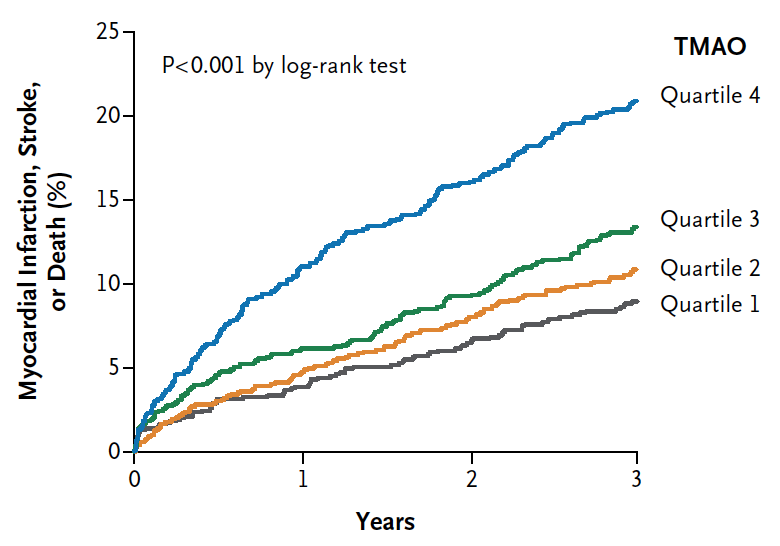
Researchers at the Cleveland Clinic screened blood from patients who had either had a heart attack or a stroke and compared the results with those from the blood of people who had not experienced either. Using an array of different technologies, the researchers determined that the more TMAO people had in their blood, the greater the odds they had heart disease and the worse their heart disease was.

Four thousand people were followed for three years, and, as you can see in the graph below and at 3:10 in my video Egg Industry Response to Choline and TMAO, those with the highest TMAO levels went on to have significantly more heart attacks, strokes, or even death.

chart showing correlation between tmao levels and heart disease

Artery Hardening

TMAO appears to increase the ability of inflammatory cells within the atherosclerotic plaque in our artery walls to bind to so-called bad LDL cholesterol. By making the inflammatory cells more prone to gobble up cholesterol, TMAO is another piece of the puzzle as to how cholesterol causes heart disease.

Failing Kidneys

When researchers followed kidney patients over time and assessed their freedom from death, they found that those with higher TMAO lived significantly shorter lives, even after controlling for kidney function. See more at 4:44 in my video How to Treat Heart Failure and Kidney Failure with Diet.

Cancer

We’ve known about the troublesome transformation from choline into trimethylamine (TMA) for more than 40 years, but that was long before we learned about its connection to heart disease. Why were researchers concerned nearly a half-century ago? Because these methylamines might form nitrosamines, which have cancer-causing activity.

In the Women’s Health Initiative study, women with the highest TMAO levels in their blood had approximately three times greater risk of rectal cancer, suggesting that TMAO levels may serve as a potential predictor of increased colorectal cancer risk.

Which Foods Increase TMAO Levels?  Carnitine and choline are two components known to facilitate production of TMAO. Where do we get these in our diet?

Carnitine:  Within 24 hours of consumption of carnitine, certain gut bacteria metabolize it into TMA, which our liver then oxidizes into the TMAO that then circulates throughout our bloodstream. Where can we find carnitine? It is concentrated in red meat, certain energy drinks, and carnitine supplements.
Choline: As mentioned above, our gut bacteria can turn choline into TMAO, too. Major dietary sources of choline are eggs, milk, and meat, including liver, poultry, shellfish, and fish.  Choline is also present in lecithin supplements.

Can We Reduce Our TMAO Levels?

TMAO is a toxic compound that may increase our risk of heart failure, kidney failure, and atherosclerosis, but might there be nutritional or interventional prospects for prevention? That’s the topic of my video How to Reduce Your TMAO Levels.

Antibiotics and Probiotics

If our intestinal bacteria and liver can make TMAO from meat, dairy, and eggs, should we destroy our gut flora?

We could give people antibiotics to eliminate the production of TMAO, but that could also kill our good bacteria and foster the emergence of antibiotic-resistant bacterial strains.

What about probiotic supplements? If we add good bacteria, might they crowd out the bad bacteria? That doesn’t work. Adding good bacteria doesn’t seem to get rid of the bad.

A New Methane-Producing Bacterium

What if we introduce new bacteria that could somehow siphon off the TMA made by the bad bacteria already in our gut? Well, there is a bacterium inside the guts of cows and sheep that turns trimethylamine into methane. Could we use that to get rid of some of the TMA in our gut? We could, but if it didn’t take, if our gut didn’t become colonized by the cow-and-sheep bacterium, we’d have to keep introducing it to our body. In that case, might the fact that Consumer Reports found fecal contamination in every sample of beef it tested be a good thing? Not at all. Methane-producing bacteria may be able to eat up our TMAO, but, unfortunately, these bacteria may be associated with a variety of diseases, from gum disease down to colorectal cancer, as you can see at 2:15 in my video.

Impairing Our Liver Function

If we can’t use antibiotics or probiotics to prevent our gut bacteria and liver from making TMAO out of the meat, dairy, and eggs we eat, should we cut down on our liver function?

That was the billion-dollar strategy employed by Big Pharma to lower our cholesterol. The same foods—meat, dairy, and eggs—raise our cholesterol, and changing our diet may lower it, but that isn’t very profitable. So, Big Pharma developed statin drugs that cripple the enzyme in our liver that makes cholesterol. Should we give that a try to lower our TMAO levels? Why not pharmacologically inhibit the enzymes in our liver that make TMAO and thereby possibly help reduce our risk of cardiovascular disease?

Trimethylaminuria is a genetic condition in which this enzyme is impaired naturally, so there is a build-up of trimethylamine in the bloodstream. The TMA just doesn’t get oxidized into TMAO. There is a problem, though. TMA is so stinky that it makes you smell like dead fish. So, “given the known adverse effects…from sufferers of fish odor syndrome, the untoward odorous side effects of inhibiting this enzyme make it a less attractive [drug] target.”

Diet

Do we have to choose between suffering from heart and kidney disease or smelling like dead fish? If only there were some other way we could stop this process from happening. There is. We could stop eating animal products, which is what those with trimethylaminuria often do to lower their TMA levels.

About a third of those who complain of bad body odor despite good personal hygiene test positive for the condition, but reducing or eliminating meat, egg, and dairy intake can be a real lifesaver. Given what we know about how toxic TMAO can be, cutting down on animal products may not just save the social lives of people with a rare genetic disorder, but it could help save everyone else’s actual lives.

Indeed, rather than trying to genetically engineer a bacterium that eats up trimethylamine or ingesting a gut enzyme from cows and sheep to convert it into methane, simply limiting the consumption of foods rich in choline and carnitine, perhaps specifically L-carnitine, may effectively limit the amount of TMAO circulating in our body. The easiest and safest recommendation? Eat more healthfully.

Our body makes all of the carnitine we need, so we can completely eliminate it from our diet. Choline, on the other hand, is an essential nutrient, so we do need some—but we don’t need to get it from eggs. Thankfully, we can get all we need from fruits, vegetables, beans, and nuts.

Can we get too much choline from plants? Do we need to worry about high-choline plant foods, like broccoli? No. In fact, consumption of cruciferous vegetables is associated with a significantly longer life and less cardiovascular disease mortality, as you can see at 5:34 in my video. To see what was going on, researchers took the vegetable highest in choline, brussels sprouts, and had people eat two cups a day for three weeks. What happened? Their TMAO levels actually went down. It turns out that brussels sprouts appear to naturally downregulate the TMAO liver enzyme—not enough to make you stinky, but just enough to drop TMAO.

Fecal Transplants

People who eat completely plant-based may not make any TMAO at all—even if they try. You can give a vegan a steak, which contains both choline and carnitine, and there will not even be a bump in TMAO. Why not? Vegetarians and vegans have different gut microbial communities. If we don’t eat steak, then we don’t foster the growth of steak-eating bacteria in our gut. So, forget the cow. How about getting a fecal transplant from a vegan? From a TMAO standpoint, we may not have to eat like a vegan as long as we poop like one.

Conclusion

Can you sense my frustration as I read paper after paper proposing ridiculous  strategies for reducing or inhibiting TMAO production? Pills, supplements, and the like may be profitable for Big Pharma, but we already have a safe, simple, and side-effect-free solution: a plant-based diet. 

And, plant-based eating gives us other benefits:

For more on TMAO, the smoking gun of diet-microbiome-disease interactions, see:

In health,   Michael Greger, M.D.”  From: https://nutritionfacts.org/blog/how-to-reduce-your-tmao-levels/

_______

Sunday, June 4, 2023

The 10 Commandments and God’s Way of Life. Christ’s Example of Sabbath Observance. Statin Muscle Toxicity.

.

The 10 Commandments and God’s Way of Life

“Our Creator God knows what is good for us and what is bad for us. What does the Bible tell us God wants us to do? Why did God give the 10 Commandments?

God knows what is good and bad for us, and He has recorded this information in the Bible to save us from the heartache and suffering that the wrong choices—what the Bible calls sins—bring.

But humanity as a whole has chosen to try to discover right and wrong by trial and error. Even worse, most people choose to experiment for themselves, not even learning from the mistakes of others!

The 10 Commandments show the right way

Jesus Christ summarized the right way in two great commandments: Love for God and love for others (Matthew 22:37-40 ). This basic approach is further defined by the great law God thundered from Mount Sinai—the 10 Commandments.

The rest of the Bible further magnifies the holy, just and good law of God. It reveals a way of life that produces great benefits in this life and that Jesus said is a prerequisite to entering eternal life (Matthew 19:17 ).

How can we know how to love God except He tells us? How can we avoid the pitfalls of human relationships unless we accept the wisdom revealed in God’s law?

And how can we know what sin is unless God defines it? In 1 John 3:4 sin is defined: “Whoever commits sin also commits lawlessness, and sin is lawlessness.” The Contemporary English Version translates this as “sin is the same as breaking God’s law.”

Importance of the 10 Commandments as guardrails

Many seem to think of the laws of the Bible as burdensome and restrictive. But the apostle John shows the opposite:

“For this is the love of God, that we keep His commandments. And His commandments are not burdensome” (1 John 5:3).

God’s commandments are expressions of His love for us, and obeying them allows us to show we appreciate that and love Him in return. So instead of viewing them as burdensome, we can look at the 10 Commandments as the protective guardrails that can help guide us away from going over the edge of the cliff.

God’s laws show the way to good relationships and eternal peace and joy. Breaking God’s laws does the opposite—damaging relationships and causing unhappiness, conflict, suffering and ultimately death.

God’s commandments are not complicated or convoluted, like so many of man’s laws are. But they can guide us in all areas of life and provide a structure for understanding the other complementary teachings of the Bible.

Disagreements about the 10 Commandments

Some argue that Christ’s death did away with the need to obey the 10 Commandments. But if they honestly look at each commandment, the vast majority wouldn’t say that it is okay to kill, commit adultery, steal or lie. They wouldn’t advocate for blasphemy or idolatry or covetousness. Generally, the only commandment most object to is the Sabbath command.

But did Jesus, the “Lord of the Sabbath,” who said it was made for our benefit (Mark 2:27-28), really repeal the Sabbath commandment? See more about this in our article “Lord of the Sabbath” and related articles.

Different numbering of the 10 Commandments for Jews, Catholics and Protestants

One other disagreement should be mentioned here—how they are numbered. The Bible itself doesn’t number the 10 Commandments, but it does tell us there are 10 in Exodus 34:28 and Deuteronomy 10:4. This is also reflected in the Greek word that came into English as Decalogue.

But you may notice that different religions number those same commandments differently. We follow the numbering also used by most Protestant groups. But many Jewish resources will show Exodus 20:2 as the First Commandment, while we consider that verse a prologue since it doesn’t include a command. These resources then combine verse 3 (which we call the First Commandment) and verses 4-6 (which we call the Second Commandment). From there, the numbering matches the way we list them.

The Catholic numbering combines the ones we call the First and Second Commandments, calling the combination the First Commandment. From there, their numbering is one less than the list we use. For example, in the Catholic list, the Sabbath command is called the Third Commandment, rather than the Fourth Commandment in our list.

To come up with 10, the Catholic list breaks the law against coveting into two parts. For Catholics, the Ninth Commandment is to not covet your neighbor’s wife. The 10th Commandment is to not covet your neighbor’s goods.

Considering that coveting your neighbor’s wife does not come first in Exodus 20 (it does in Moses’ retelling of the law in Deuteronomy 5), we believe it makes more sense that the law against coveting is all one commandment.

Of course, the important point is not the numbering or how they are grouped, but making sure none of the commandments are neglected. When the 10 Commandments are only looked at in short form, such neglect is a distinct danger. See “10 Commandments List” for a look at these Jewish and Catholic lists.

Learn more about the 10 Commandments

See more about how God wants us to live—for our own benefit—in this section on “The 10 Commandments and God’s Way of Life.” Articles in this section explore God’s laws and examine the continuity of God’s law between the Old and New Testaments. Articles on each commandment examine the meaning of the 10 Commandments in simple terms and how they apply today.” From: https://lifehopeandtruth.com/bible/10-commandments/?

________

Christ’s Example of Sabbath Observance

Luke 4:31  Then He went down to Capernaum, a city of Galilee, and was teaching them on the Sabbaths.

“As we discussed concerning the passages in Mark 1:21 and Mark 6:2, Jesus Christ’s custom was to observe the Sabbath. The Bible teaches us to follow Christ’s example and to walk as He walked (1 Peter 2:21; 1 John 2:6).

The apostle John explained: “For this is the love of God, that we keep His commandments. And His commandments are not burdensome” (1 John 5:3). So why do so few Christians follow Christ’s example of keeping the Sabbath commandment? Why do so many neglect this gift from God?

For more about what Jesus Christ expects of His followers, see our article “How to Keep the Sabbath Holy.”       From: https://lifehopeandtruth.com/bible/blog/christs-example-of-sabbath-observance/?

_________

Statin Muscle Toxicity

Below is an approximation of this video’s audio content. To see any graphs, charts, graphics, images, and quotes to which Dr. Greger may be referring, watch the video at https://nutritionfacts.org/video/statin-muscle-toxicity/

“Video updated 3/5/2012 to reflect new FDA warning labels citing risks of confusion, memory loss, new onset diabetes, and muscle injury. Even people who don’t experience pain or weakness on cholesterol-lowering statin drugs may be suffering muscle damage.”

“Last week, February 28, 2012, the FDA announced newly mandated safety labeling for cholesterol-lowering statin drugs—such as Lipitor, Mevacor, Crestor, Zocor, and Vytorin. The FDA issued new side effect warnings regarding the increased risk of brain-related side effects, such as memory loss and confusion, an increase in blood sugar levels, and risk of new onset diabetes associated with taking this class of drugs. 

One prominent cardiologist described the Faustian bargain to the Wall Street Journal. Apparently, “1 to 2 out of 100 patients at risk for a heart attack will avoid one” by taking statins. But research now suggests for every 200 people taking a statin, 1 will develop diabetes. 

Wouldn’t it be great if there were some way to lower the risk of heart attacks and diabetes at the same time?

First, let me address the third side effect newly addressed by the FDA: the risk of muscle injury. We’ve known that about 1% to 5% of patients suffer enough muscle damage to cause pain and overt weakness, but only about 1 in 6,000,000 or 7,000,000 actually suffers enough muscle damage to kill them. It’s called fatal rhabdomyolysis, where your muscles break down so rapidly your urine starts looking like this, as you literally start peeing your muscles down the toilet. Then your kidneys fail, and you die.

But that’s like winning the lottery chances. There’s a 1 in 2 chance we’ll die of heart disease—so, no surprise Lipitor is the #1 prescribed drug on the planet Earth.

But then, this study was published. Normally, if you have muscle pain on a statin, you go to a doctor, and they take blood to see if you have elevated levels of muscle breakdown products in your bloodstream. Now if you don’t, they basically say, oh, it’s all in your head—go home, keep taking your medicine.

What these researchers did, though, was they instead took these people, and got muscle biopsies, and proved that even though their blood levels were normal, they were indeed suffering muscle damage. The damage just wasn’t leaking into their bloodstream. Well, if that’s the case, if you can’t pick it up with the test, maybe everyone taking statins is suffering muscle damage—whether they’re experiencing pain or not.

And that’s exactly what they found. Clear evidence of skeletal muscle damage in statin-treated patients—all statin-treated patients. This is what a muscle is supposed to look like under a microscope. This is your muscle; this is your muscle on statin drugs.

But, the degree of overall damage was slight. Most people don’t even feel any pain with statins, so what’s the big deal?

This is the big deal. New study on statin therapy, muscle function, and falls risk. Hundreds of older men and women followed for a few years, and those who were on statins suffered greater declines in muscle strength and muscle quality, and greater increases in falls risk.

So we don’t want to be taking this drug unless we really need it. The problem is, because heart disease remains our #1 killer, most everyone does need to take a statin drug like Lipitor every day for the rest of our lives—except for one group. This is from the editor-in-chief of the American Journal of Cardiology: “Only pure vegetarians for practical purposes do not need statins. Most of the rest of us do!”    So, it’s our choice.”            From: https://nutritionfacts.org/video/statin-muscle-toxicity/

________

Sunday, October 9, 2022

America, Israel, Christopher Columbus And The Feast Of Tabernacles. Why Would A Christian Observe the Feast of Tabernacles? 'The Truth About Statins'

.

America, Israel, Christopher Columbus And The Feast Of Tabernacles

Columbus’ Ship Nina

“Perry Stone, pastor of Voice of Evangelism Ministries, did an excellent job explaining  the beginning of America on a strong Biblical foundation and with strong links to Israel, all of which prove God founded both nations with a purpose.  This isn’t the usual teaching of our founding fathers and the documents such as the Mayflower Compact. This is information seldom ever taught and it’s eye-opening.  Don’t skip it. Watch it first. You will be glad you did.

http://www.youtube.com/watch?v=EEOcx35zIZg&list=UUHJ5B4pWmC7ULGYb1KI5Wjw&index=10&feature=plcp

There’s more.

Christopher Columbus (Cristobal Colon) is believed to have been Jewish, but converted to Christianity.  Many Jews pretended to convert in order to save their lives and property during the Spanish Inquisition, but Columbus seems to have been a genuine Christian.  His letters and the diary he kept on his voyage to America have survived.  In them, are clues to his Jewish heritage and Christian faith.

The Spanish Inquisition was in full force in Columbus’ time, culminating on August 2, the Ninth of Av or Tish b’Av, which is the national Day of Mourning for all Jews around the world. The Spanish Inquisition  was truly a day of mourning for Jews.  (further information:  http://www.mazornet.com/holidays/tishabav/home.htm )  On that day, Jews trying to leave Spain clogged the ports, preventing Columbus’ three ships from leaving.   He left the day after on August 3rd.  His voyage resulted in the discovery of America, which became a safe haven and refuge for Jews, who fled to America to escape the many inquisitions and persecutions in other countries.  To this day, America has the largest Jewish population of any nation in the world, more than the nation of Israel, and continues to be Israel’s strongest and closest ally.

Columbus landed on the outlying islands of America on the first day of the Jewish Feast of Tabernacles (Succoth).  It’s one of three major Jewish feasts, of seven, that God commanded they observe annually.  It centered around a temporary dwelling, or “tabernacle,” such as a structure made of four poles and a roof made of palm branches in which the adult males were required to live for seven days.  This symbolizes, as did the tabernacle of Moses that the Israelites carried with them through their forty-year wilderness trek to the Holy Land, the temporary dwelling of mankind on the Earth, before their final dwelling in eternity with the Lord.  America became a temporary dwelling for Jews who always intended to return to their promised land someday. The nation of Israel was reborn May 14, 1948.  Sukkah

This is a sukkah built in accordance with God’s instructions to Moses for observing the Feast of Succoth (plural for sukkah). Succoth is a Hebrew word that means tabernacles, tents, dwellings, used in reference to temporary dwellings.  What does it remind us of?  A manger.

Jesus was not born in a permanent structure for the housing of animals. He was conceived about December 25, likely on the Jewish holiday, Hanukkah, known as the Festival of Lights. Jesus said He is the Light of the world.  He was born during the Feast of Tabernacles.  All adult Jewish males were required to go to Jerusalem and attend ceremonies at the Temple, the Tabernacle of God, where God dwelt among His people. That’s why all the inns were full.  Everyone had built their sukkah for the feast and the males had to inhabit them for a time.  Joseph would have been required as well and found a way to house himself and his pregnant wife in a sukkah.  Jesus was born during the Feast of Tabernacles in a sukkah.   John 1:14 “And the Word was made flesh and “dwelt” (tabernacled) with us.” http://www.godrules.net/library/kjvstrongs/kjvstrongsjoh1.htm

Manger of Jesus’ birth

This is clearly a Jewish sukkah built during their Feast of Succoth (Tabernacles). Christians, unfamiliar with Jewish customs, didn’t recognize this fact.   With so much information on the internet, many have come to see the truth.  Jesus’ family was not poor and forced to sleep in a barn built to house animals.  The inns were full of travelers in town for the feast, but it’s also true that Joseph had to stay in a sukkah to fulfill his duty to the law.

The dates of the Jewish feasts are determined by the moon’s positions, thereby causing them to occur on different dates every year on America’s Gregorian calendar.  In 2022, the Feast of Tabernacles begins on October 10 and runs through October 7, with Simhat Torah October 18th, and 19th for those celebrating it for two days as many do now.  Columbus Day should be October 12th (every year) but our government changed it to occur on Monday every year so that people could have a three-day weekend off.

America is so linked with Israel that it’s natural to be their closest ally and share the same values.  God purposed America to be that temporary dwelling for Jews, as well as teaching a greater spiritual truth.  God is in control and designed all that is.”                         From: https://marbiesblog.wordpress.com/2012/10/02/america-israel-christopher-columbus-and-the-feast-of-tabernacles/

_______

Why Would You Observe the Feast of Tabernacles?

“The Feast of Tabernacles represents the peace, prosperity and righteousness of the coming Kingdom of God, but how is it relevant to the Christians today?

Transcript from: https://www.ucg.org/beyond-today/beyond-today-daily/why-would-you-observe-the-feast-of-tabernacles

[Steve Myers] “Someone asked me the other day, "Why would you observe the Feast of Tabernacles? Is that a Christian thing?" Absolutely, it is. We follow the example of the New Testament Church.

The church in the 1st Century kept and observed, celebrated, the Feast of Tabernacles. So, what is this feast? Well, it's definitely listed in Scripture as one of the feasts of the Lord. I don't know if you've ever checked that out, but it's the feast that God has established.

It's one of His Holy Days. And so, for a period of time, we celebrate the Feast of Tabernacles for seven days. A complete festival. Seven is often a number of completeness because it represents that time, in God's plan, that has a deep spiritual meaning. Jesus Christ will return to this earth, 1 Thessalonians 4 spells that out completely, 1 Corinthians 15 as well. And so, the Feast of Tabernacles is representing that time when Christ will return as King of kings and Lord of lords. I know you've probably heard those classic choral selections that sing about that. He's King of kings and Lord of lords and He is returning. Well, the Feast of Tabernacles points to that time that Christ will literally come back to earth.

And so, the Feast of Tabernacles is representing that time when Christ will return as King of kings and Lord of lords. I know you've probably heard those classic choral selections that sing about that. He's King of kings and Lord of lords and He is returning. Well, the Feast of Tabernacles points to that time that Christ will literally come back to earth.

We can read about that in Revelation 5. Revelation 5, in fact, beginning in verse 10, it tells us, "He has made us kings and priests to our God, and we shall reign on earth." Christ will return and annihilate the kingdoms of man. Mankind will no longer be in charge. There will no longer be chaos and confusion in this world. Jesus Christ will establish righteous godly government. And for a thousand years, He will reign on this earth. Perhaps you've even prayed about this symbolic meaning of the Feast of Tabernacles.

You know, that model prayer, sometimes call the Lord's Prayer that Christ taught the disciples to pray. Perhaps you've said that prayer or parts of that prayer. It has that part that says, "Thy kingdom come, thy will be done." Christ will come back and establish His kingdom. It will come. And, of course, the rest of that prayer says, "On earth as it is in heaven." So the Feast of Tabernacles pictures that amazing time of peace and prosperity and righteous government that Christ Himself will come and establish right on this earth.

Check out The Feast of Tabernacles, find out the deep spiritual meaning behind God's purpose and His plan, and this vital step in His plan for salvation for all mankind.” From: https://www.ucg.org/beyond-today/beyond-today-daily/why-would-you-observe-the-feast-of-tabernacles

_______

Dr. Paul Mason - 'The truth about statins'

See:    (224) Dr. Paul Mason - 'The truth about statins' - YouTube

Dr Paul Mason obtained his medical degree with honours from the University of Sydney, and also holds degrees in Physiotherapy and Occupational Health. He is a Specialist Sports Medicine and Exercise Physician. Dr Mason developed an interest in low carbohydrate diets in 2011. Since then he has spent hundreds of hours reading and analysing the scientific literature.

Low Carb Down Under

________

Monday, September 19, 2022

Forgiving Yourself? Private Prayers. Do Statins Reduce Your Risk of Heart Attack or Stroke?

Forgiving Yourself?

Forgiving yourself“Does God want us to be mired in guilt and regrets, or does He provide a way out of them? What do you need to know about forgiving yourself?

Our past deeds can sometimes weigh very heavily on us. There is no way to travel back in time to undo things we have done in the past, though many of us wish we could.

The apostle Paul’s regrets

Even the great apostle Paul looked at his past with great regret. “For I am the least of the apostles, who am not worthy to be called an apostle, because I persecuted the church of God” (1 Corinthians 15:9).

Paul wrote these words about 20 years after his persecution of the early Christians, and they indicate that he had by no means forgotten his shameful and destructive actions as a young man. The Bible record shows us that Paul left that life behind and went on to lead a much more constructive and productive life. And, as we will see, he had much to say about forgiveness and not remaining stuck in feelings of guilt.

What can we do when guilt and regret about our past actions keep us from moving on with our lives as we should? How can we learn to leave those things behind and move forward? The Bible doesn’t speak in terms of forgiving ourselves, but it does give a blueprint to follow in freeing ourselves of past guilt and regaining mental health.

We can start by realizing that forgiving, whether it involves forgiving others or forgiving ourselves, is not about condoning wrong actions. It is not about a lack of accountability. It involves understanding that God forgives sinners who turn from their sins and turn to Him, and that God then allows and wants them to move forward.

Manasseh’s guilt

The life of Manasseh, king of Judah, is very instructive about how God views a repentant sinner. Manasseh was the son of righteous King Hezekiah, who was generally considered to be one of the best kings of Judah. Manasseh, on the other hand, was considered to be among the worst. Ironically, his reign over Judah was the longest of any of the kings—55 years!

The Bible lists some of the evil deeds of King Manasseh in 2 Chronicles 33. Verse 2 begins by telling us that Manasseh did evil things in God’s sight. He rebuilt the sites of pagan worship that had been torn down by his father (verse 3). He sacrificed his own children in idol worship and consulted mediums (verse 6). He set up an idol in the temple of God (verse 7).

Verse 9 finishes by saying that Manasseh seduced the people of Judah to do more evil than the pagan surrounding nations had done. That is a terrible indictment!

According to the Jewish historian Josephus, Manasseh was responsible for a great deal of bloodshed among those who tried to follow God: “For by setting out from a contempt of God, he barbarously slew all the righteous men that were among the Hebrews; nor would he spare the prophets, for he every day slew some of them, till Jerusalem was overflown with blood” (Antiquities of the Jews, p. 214).

It is hard to imagine having a more guilt-ridden past than Manasseh!

In time God caused the nation to be taken into captivity by the Assyrians and Manasseh to be carried away in chains (2 Chronicles 33:11). Finally, Manasseh took stock of his actions and repented of his sins (verse 12).

What was God’s response, after the enormity of Manasseh’s sins and wickedness? He saw Manasseh’s change of heart and heard his cries. He “received his entreaty” and restored Manasseh to the throne in Jerusalem (verse 13). Manasseh demonstrated his genuine change of heart by destroying the places of idol worship and rebuilding the altar of God (verses 15-16).

Even the sins of Manasseh were not too great to be forgiven by God!

Forgiveness from God comes first!

We need to first seek the forgiveness of God, as shown by Manasseh’s example. The common denominator among people being forgiven by God, no matter how deplorable their deeds might have been, is repentance (turning from their sins and turning to God).

The Bible describes Manasseh’s repentance: “Now when he was in affliction, he implored the LORD his God, and humbled himself greatly before the God of his fathers” (2 Chronicles 33:12).

Repentance involves sorrow for past deeds and turning from them to live life differently. In the words of the apostle Paul, “Truly, these times of ignorance God overlooked, but now commands all men everywhere to repent” (Acts 17:30). Paul goes on to say that God has appointed a day when He will judge the entire world.

God’s opinion of us is what will ultimately matter, and He is willing to forgive if we repent. Understanding that should help us move on with our lives, regardless of what we may have done in the past. (For more information about repentance before God, see the article “How to Repent.”)

When we have repented of our sins, God not only forgives them, He also removes them from us. Knowing this is the vital starting point for forgiving yourself.When we have repented of our sins, God not only forgives them, He also removes them from us. Knowing this is the vital starting point for forgiving yourself.

Psalm 103:11-12 explains this wonderful truth about God’s forgiveness: “For as the heavens are high above the earth, so great is His mercy toward those who fear Him; as far as the east is from the west, so far has He removed our transgressions from us.”

God’s mercy toward us gives us all the chance to move forward in our lives with a clean slate!

The problem with guilt

Guilt can be a healthy emotion to alert us to the fact that we have made mistakes, and we need to make changes in the way we treat others or changes in the way we live our lives. But if we hang on to feelings of guilt after repentance and after making needed changes, it can become an unhealthy emotion.

Merriam-Webster’s Medical Dictionary gives this definition of guilt: “Feelings of culpability especially for imagined offenses or from a sense of inadequacy: morbid self-reproach often manifest in marked preoccupation with the moral correctness of one’s behavior.”

Hanging on to feelings of guilt (whether the offenses are real or imagined) can prevent you from forgiving yourself and moving on with living a productive life. It is important to establish whose opinion really matters and to know how God views us. The apostle Paul explained that God “has appointed a day on which He will judge the world in righteousness by the Man whom He has ordained. He has given assurance of this to all by raising Him from the dead” (Acts 17:31).

There will be a time for all of us to answer to God and to be judged by Him. For those who are being called today, the time of giving account and being judged is now (1 Peter 4:17). God has made it possible for us to be forgiven of our sins and reconciled to Him by the death of Jesus Christ, through repentance and baptism. (For further information about this, see the article “What Is Baptism?”)

When we have truly repented and been baptized, we are forgiven completely and reconciled to God. Notice Colossians 1:21-22: “And you, who once were alienated and enemies in your mind by wicked works, yet now He has reconciled in the body of His flesh through death, to present you holy, and blameless, and above reproach in His sight.”

When God has forgiven us and reconciled us to Himself by the death of His Son, there is no reason to hang on to guilty feelings about anything in our past!

In the words of the apostle Paul: “What then shall we say to these things? If God is for us, who can be against us?” (Romans 8:31).

Moving forward

When we have repented of our sins, been baptized and made the necessary changes in our lives, it is time to leave the past behind and move forward. Even after baptism we will always need to be aware of the times we fall short, and we will always have a need to repent of sin when it enters our lives. Our focus, though, should be forward-looking, and we should bear in mind that when God forgives sins, He forgives completely and desires to see us move on.

An encouraging passage from the book of Jeremiah is repeated in the book of Hebrews: “‘This is the covenant that I will make with them after those days, says the LORD: I will put My laws into their hearts, and in their minds I will write them,’ then He adds, ‘Their sins and their lawless deeds I will remember no more’” (Hebrews 10:16-17).

What about the concept of forgiving yourself? The Bible has shown us that the path to follow is to repent before God, change the path we’re on and be assured that when God forgives, He removes us from our transgressions.

Consider one more passage from the apostle Paul: “Brethren, I do not count myself to have apprehended; but one thing I do, forgetting those things which are behind and reaching forward to those things which are ahead, I press forward toward the goal for the prize of the upward call of God in Christ Jesus” (Philippians 3:13-14).”  From: https://lifehopeandtruth.com/change/forgiveness/forgiving-yourself/

Read more about God’s incredible gift of forgiveness in the article “What Is Forgiveness?”

_______

Private Prayers

Matthew 6:5-6

“And when you pray, you shall not be like the hypocrites. For they love to pray standing in the synagogues and on the corners of the streets, that they may be seen by men. Assuredly, I say to you, they have their reward. But you, when you pray, go into your room, and when you have shut your door, pray to your Father who is in the secret place; and your Father who sees in secret will reward you openly.”

In His Sermon on the Mount, Jesus Christ laid out the foundations of Christianity; and in this section He addresses the wrong and right ways to pray. Prayer is not for show or to impress other people. It is designed to help us build a personal relationship with our Creator. The core of our prayer life is one-on-one, alone with God. When we pray in private, we can express our deepest emotions and be open with God in a way we could not be in public.

The example of the New Testament Church shows that this does not mean that there is no place for public prayer, as there are many examples of the Church of God praying together (Acts 1:14; 4:24-31; etc.). But we must always be on guard against the attitude of hypocrisy that Jesus warned about.

Read more in our article “Private Worship Toward God.”  From: https://lifehopeandtruth.com/bible/blog/private-prayers/?

For more about what the Bible teaches about prayer, see our article “How to Talk to God.”

______

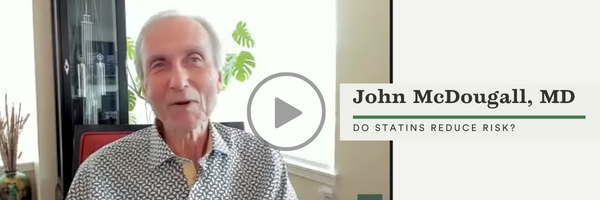
Do Statins Reduce Your Risk of Heart Attack or Stroke?

Watch Now 

“Statins are used to lower cholesterol levels but don’t reduce the risk of stroke or heart attack. Cholesterol is a risk factor tied to artery disease - the higher the cholesterol the more likely you’ll have a heart attack or stroke. Dr. McDougall presents a new study that shows statins provide a risk reduction of about 1% for heart attack or stroke prevention, in other words no real reduction. As with all drugs, statins have potential adverse side effects that can be serious, without offering any real benefit. Changing your diet yields greater results than any pill will ever deliver.”

From:  https://www.drmcdougall.com/articles/common-health-problems/high-cholesterol/?

________

Sunday, August 28, 2022

Bible Stories: The Purpose Behind the Stories. The Actual Benefit of Diet vs. Drugs.

.

Bible Stories: The Purpose Behind the Stories

“Bible stories can be great for teaching children. And they also have real meaning for anyone who wants to understand God and how He wants us to act.

Learn More About Bible Study.  From: https://lifehopeandtruth.com/bible/bible-study/bible-stories/

_______

The Actual Benefit of Diet vs. Drugs

Transcript of YouTube: https://youtu.be/P0y-lO2YpuQ

(To see any graphs, charts, graphics, images, and quotes to which Dr. Greger may be referring, watch the video below. This is just an approximation of the audio contributed by Katie Schloer.)

“The medical profession oversells the benefits of drugs for chronic disease since so few patients would apparently take them if doctors divulged the truth.

One of the reasons people may undervalue diet and lifestyle changes is an overconfidence in the ability of pills and procedures to prevent disease. For example, people tend to wildly overestimate the power of things, like mammograms and colonoscopies, to prevent deaths from breast and bowel cancer, or the power of drugs, like Fosamax, to prevent hip fractures, or the power of cholesterol-lowering drugs to prevent fatal heart attacks.

Patients believe statin drugs, like Lipitor, are about a hundred times more effective than they actually are in preventing heart attacks. Most people wouldn’t take multiple blood pressure medications if they knew the truth, which raises a dilemma for doctors. Most patients want to be told the truth.  They want to be told what the chances are that the drugs will actually benefit them, but there is this tension between the patient’s right to know and the likely reduction in patients’ willingness to take the drug if they were so informed.

If taking a cholesterol-lowering drug would reduce your risk of getting a heart attack over the next five years by 100%, then, of course, everyone would take it. Even if there were a 50% chance of benefiting, most would still want to take the drugs. But if the chance of benefit is just a few percent, hardly anyone would be willing to take the drugs every day for the rest of their lives. And that’s the actual benefit.

For most people the chance of benefit is normally less than 5% over five years for cholesterol, blood pressure, and blood-thinning drugs. It’s no wonder that doctors seldom share these figures with patients. So, even high risk patients have less than a 5% chance of benefit; whereas, patients don’t want to take drugs unless they have at least a 1 in 5 chance—even those who just had a heart attack.

The study therefore suggests that informing patients of the percentage chance of benefit from preventive drug strategies will substantially reduce the uptake of such drugs. They recognize that for the individual, this is unlikely to be detrimental; after all there’s a 95% chance it won’t do anything for them, but for the population at large, it would make a difference; so, doctors and drug companies tend to oversell the benefits by conveniently not mentioning how tiny they actually are, knowing that most patients wouldn’t take them if doctors divulged the truth. To practice non-lifestyle medicine is to practice deceptive medicine.

The best cholesterol-lowering statin drugs can do here is an absolute risk reduction of 3.1% over six years. A whole foods plant-based diet has been shown to work twenty times better–an absolute risk reduction of 60% after less than four years. Overall, 99.4% of patients who stuck with the diet avoided major cardiac events, such as death from heart attack.

So, when we have to decide whether we want to go diet versus drugs, it’s not a choice between eating healthy to prevent a heart attack, or taking a pill to prevent a heart attack, because in 97% of cases the pills don’t do anything —we’re risking side effects for nothing, whereas if we treat the underlying root cause of the disease, by eating this healthy cholesterol-free diet, we may even reverse the progression of the disease.

Stop eating an artery-clogging diet and our bodies can start dissolving that plaque away, opening up arteries, in some cases, without drugs and without surgery. This wasn’t an Ornish study; so, no exercise requirement, no meditation, no stress management, no yoga; just a healthy whole food plant-based diet may work twenty times better than drugs to combat our #1 killer. Now, that’s something doctors may want to tell their patients.”

From: https://nutritionfacts.org/video/the-actual-benefit-of-diet-vs-drugs/

_______