Showing posts with label snake. Show all posts

Sunday, February 12, 2023

Turkey and Syria: Making Sense of the Tragedy. How Does God Want to be Worshipped? Is Cheese Really Good for Our Health?

.

Powerful Earthquakes Hit Turkey and Syria: Making Sense of the Tragedy

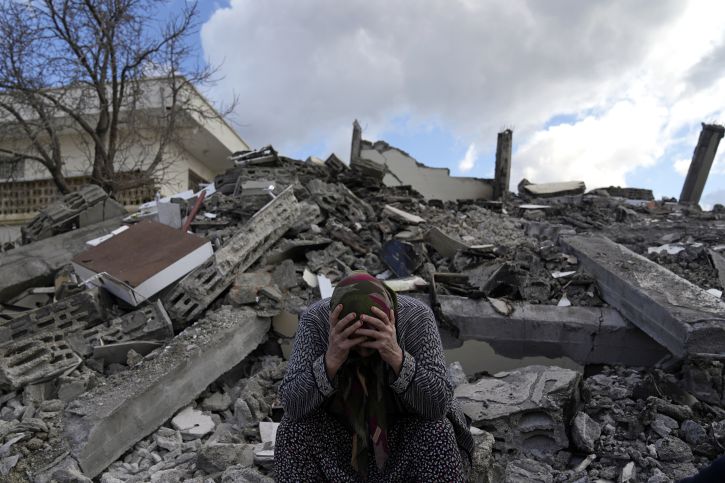
Powerful Earthquakes Hit Turkey and Syria: Making Sense of the TragedyA distraught woman sits on rubble of a building in southern Turkey that was destroyed by the earthquakes of Feb. 6, 2023 (AP Photo/Khalil Hamra). 

“Thousands have died in the recent earthquakes in Turkey and Syria. Life in this region will be impacted for years to come. Why do such tragedies occur?

Thousands of lives were suddenly wiped out when a magnitude 7.8 earthquake and then a magnitude 7.5 earthquake struck southern Turkey and northern Syria on Feb. 6, 2023. As of this writing, the death toll is over 6,000.

With the more than 300 aftershocks and frigid temperatures, this number will undoubtedly rise as more bodies are recovered from the rubble. In an instant, a shaking earth destroyed buildings and roads and buried thousands of unsuspecting people. Over 13,000 people were injured, and tens of thousands were without food, shelter and hope.

Both Turkey and Syria were grossly unprepared for this tragedy. Their buildings were not designed to withstand an earthquake of this magnitude. On top of that, they lack the resources to handle the aftermath of these deadly earthquakes.

Syria is still embroiled in a seemingly unending civil war. The city of Aleppo, home of many displaced refugees, was first ravaged by missiles and is now even more decimated by this natural disaster.

Our thoughts and prayers go out to the families affected by this tragedy. Tragedies like this should remind us how precious life is and how quickly life can be turned upside down. It’s at times like these that we should turn to the Bible. The Bible gives a unique perspective on tragedies, including difficult lessons we should learn.

To learn more about the biblical perspective on tragedies, read “Why Does God Allow Evil and Suffering?

Lessons from the tragedy in Turkey and Syria

Consider these three lessons:

1. This is not God’s world.

Many see tragedies like this as proof that there is no God. They reason that an all-powerful, all-loving God would not allow tragedies like this. But the Bible shows a different way we should look at it. Tragedies don’t occur because God doesn’t care. Ultimately, they are a result of humanity’s rejection of God. Essentially, this is not God’s world!

The suffering and anguish in Turkey and Syria and everywhere else are a result of living in a world cut off from God. When God created Adam and Eve, He placed them in a beautiful garden and interacted directly with them (Genesis 2:8; Genesis 3:8). There were no earthquakes or other natural disasters in this garden. God was there and provided perfect protection and order. All God required of our first parents was that they live by His instructions. If they did, they would live in complete safety and happiness. They would not need to worry about natural disasters.

But when Satan appeared in the form of a serpent, he convinced them to reject God’s instructions and authority over their lives (Genesis 3:1-5). Because of this rejection, dire consequences would follow for them and their descendants. God removed them from the Garden of Eden and let them live in a world without His protection and influence (Genesis 3:23).

All human beings have been given the same free will to choose their own way of living. God warned that rejecting His law would bring suffering and death (Genesis 2:17; Deuteronomy 30:15-20). Satan’s influence currently prevails over this world because man follows his own way over God’s way (2 Corinthians 4:4). The suffering and anguish in Turkey and Syria and everywhere else are a result of living in a world cut off from God.

2. Unless we change, we will all perish.

Jesus Christ commented on two tragedies that occurred in His time on earth. One was the execution of several people by Pontius Pilate (Luke 13:1). Another was the accidental death of 18 people crushed to death by a falling tower (verse 4).

Earthquake damage in Turkey

Turkish citizens searching for survivors in the ruins of a collapsed building in Diyarbakir, Turkey, Feb. 6, 2023 (Voice of America).

Christ used these tragedies to stress an important point. He said that those who died were in the wrong place at the wrong time. God hadn’t singled them out for punishment. The point He drew from these incidents was this: “Unless you repent you will all likewise perish” (verses 3 and 5).

Those who died in the recent disaster did not bring these earthquakes on themselves. The people living in this region weren’t necessarily more guilty of sin than any other people. They were simply in the wrong place at the wrong time.

The point we must take to heart is that we will die eternally if we do not repent of our sins. That is the death we should be most worried about! Those who die in tragedies may have lost their temporary physical lives (which God says He will restore in a resurrection), but if we don’t repent and change, we will perish forever (Romans 6:23).

3. Earthquakes are prophesied to increase and intensify during the last days.

Why are earthquakes (and other natural disasters) continually increasing around the world?

In the Olivet Prophecy, Jesus Christ prophesied that in the last days there would be “earthquakes in various places” (Matthew 24:7). As that time approaches, earthquakes will increase both in intensity and in frequency. Read more in our article “Earthquakes in Bible Prophecy.”

Since the start of the 21st century, not including this recent disaster, there have been 22 major earthquakes (greater than a magnitude 6) causing some 834,000 deaths! Some of the deadliest earthquakes since 1900 have occurred in recent years. These include:

  • The growing number of earthquakes is a sign that the return of Jesus Christ is drawing near. Haiti (Jan. 12, 2010). Magnitude 7; 316,000 people killed. This was the deadliest earthquake of this century.
  • Indonesia (Dec. 26, 2004). Magnitude 9.1; 228,000 people killed in the earthquake and subsequent tsunami. This was the third- largest earthquake since 1900.
  • China (May 12, 2008). Magnitude 7.9; 90,000 people killed or missing and presumed dead.
  • Pakistan (Oct. 8, 2005). Magnitude 7.6; over 86,000 people killed.
  • Iran (Dec. 26, 2003). Magnitude 6.6; 41,000 people killed.

(Since casualty reports in these disasters often vary, the above casualty numbers should be considered approximate.)

As the weeks turn into months, the death toll from the recent earthquakes in Turkey and Syria will undoubtedly rise and possibly cause them to rank among the worst earthquakes in recent times.

The growing number of earthquakes is a sign that the return of Jesus Christ is drawing near. This should motivate us, more than ever, to heed Christ’s warning from point two: repent!

What will you do now?

Why Does God Allow Evil and Suffering?The Bible and history prove this simple statement: A world without God leads to suffering, tragedy and death.

As you see the resulting suffering of this tragedy, ask yourself this question: Do I want to continue to be a part of the suffering that comes from a life cut off from God? Or do I want to have a relationship with Him and live a life that is blessed and happy (Psalm 1) and help prepare for the peaceful world Jesus Christ will bring at His return?”  From: https://lifehopeandtruth.com/prophecy/blog/powerful-earthquakes-hit-turkey-and-syria-making-sense-of-the-tragedy/

To learn more about the future time when natural disasters will end, download our free booklet The World to Come: What It Will Be Like.

  __________

How Does God Want to be Worshipped?

A sunset over a field.Jack Le Roux/Unsplash

“Christ commanded us to worship God in spirit and truth (John 4:24). But how do we worship God? Can we know what pleases Him?

Christ kept the Sabbath Holy all His life, and He was an example for us. 

Yes, in God’s Word we can learn how He wants to be worshipped. Christ Himself said, “If you love Me, keep My commandments” (John 14:15). Those timeless commandments God gave to mankind are key to happiness, peace, abundance and harmony. Just read through any of them and imagine how life would be if all mankind strictly observed just one of those ten!

But, how do we worship God? The first four of the Ten Commandments all have to do with how we respect and honor God. He tells us how to live if we truly love Him and want to “hallow His name.” Those first four are:

1. Have no other gods besides Me.

2. Make unto yourself no graven image of anything in heaven or earth or the water under the earth; you shall not bow down to them nor serve them.

3. You shall not take the name of the Lord your God in vain; and

4. Remember the Sabbath day to keep it holy.

If you believe in Christ, you probably agree with the first three of the Commandments, but do you keep the fourth?

The Sabbath day

On the seventh day of creation God created the Sabbath day for mankind (Genesis 2:2-3). Jesus Christ said the “Sabbath was made for man and not man for the Sabbath” (Mark 2:27) and that He was “Lord of the Sabbath” (Matthew 12:8). Christ kept the Sabbath holy all His life, and He was an example for us. His apostles kept the Sabbath day all their lives—even after Christ died, was resurrected and then ascended into heaven—as did the New Testament Church of God.

God designed the Sabbath to be “Holy time”— a 24-hour period we should remember and set aside to do God’s will. In Leviticus 23, God says that each Sabbath is a “Holy convocation”—a time for His people to assemble before Him (Leviticus 23:1-34).

If we say we worship God and want to please Him, we must do as He says. If we do, He says He will make His home with us. If we don’t, Christ says, “Depart from Me, you who practice lawlessness” (Matthew 7:23).

Do you worship God the way He wants to be worshipped? Living God’s way is a “24-7” life. The Sabbath day is Holy and we must honor Him on that day.

Do you want to worship God as He wants to be worshipped each Sabbath? Then please join us for Sabbath services, even if it is virtually at first, at one of our many locations around the world. If you’d like to talk to someone or want more information, contact us and we will get right back with you.  We encourage you to read our vital booklet on this subject, “Sunset to Sunset: God’s Sabbath Rest.”     From: https://www.ucg.org/bible-study-tools/bible-questions-and-answers/how-does-god-want-to-be-worshipped

________

Is Cheese Really Good for Our Health?

“What is the real story behind the recent studies that show cheese has neutral or positive health effects?

In my series of videos on saturated fat, I talked about a major campaign launched by the global dairy industry to “neutralize the negative image of milk-fat among regulators and health professionals as related to heart disease.” As you can see in my video “Is Cheese Really Bad for You?”, (Is Cheese Really Bad for You? | NutritionFacts.org) that campaign continues to this day with the publication of a meta-analysis demonstrating “neutral [non-harmful] associations between dairy products and cardiovascular and all-cause mortality,” that is, death.

How do we know the dairy industry had anything to do with this study? Well, it was published in a journal that requires authors to disclose financial conflicts of interest. So, what ties were divulged? As you can see at 0:47 in my video: Dairy, dairy, dairy, dairy, dairy, dairy, the fourth largest dairy company in the world, dairy, dairy, milk, beer, soda, McDonald’s, dairy, dairy, dairy, dairy, and more dairy. Oh, and the study itself was “partly funded by…the Global Dairy Platform, Dairy Research Institute and Dairy Australia.” So, there we have it.  More at: https://nutritionfacts.org/2023/01/26/is-cheese-really-good-for-our-health/?

Key Takeaways
  • The dairy industry’s campaign to “neutralize the negative image of milk fat among regulators and health professionals as related to heart disease” continues, and the industry still funds studies like the meta-analysis that purportedly showed that dairy products have non-harmful associations with “cardiovascular and all-cause mortality.”
  • Researchers affiliated with the largest dairy producer in China, thereby one of the largest dairy companies in the world, suggested eating cheese each day isn’t only neutral (non-harmful), but beneficial for our health.
  • Many studies were from Europe where greater cheese consumption is associated with a “higher socioeconomic status” since it is generally more expensive. Higher socioeconomic groups also consume more fruits and vegetables, and have higher education levels and higher paying jobs, all of which are associated with better health outcomes.
  • Higher socioeconomic groups also tend to consume more candies. The candy industry and the U.S. Department of Agriculture have claimed that candy consumers have lower inflammation levels and a 14 percent lower risk of elevated blood pressure.
  • U.S. taxpayer dollars prop up the sugar industry with a billion dollars annually. Similarly, the U.S. government uses tax dollars to buy tens of millions of dollars’ worth of surplus cheese.
  • The U.S. government has been found to collude with the dairy industry to promote their products. “These [checkoff] funds are used to promote junk foods, which contribute to the very diseases our federal government is allegedly trying to prevent. Does it make sense to tell Americans to avoid foods high in salt, sugar, and saturated fat, while engaging in the promotion of those same foods?”  From: https://nutritionfacts.org/2023/01/26/is-cheese-really-good-for-our-health/?

_______

Monday, October 31, 2022

How the Early Catholic Church Christianized Halloween. Is That True? What Does God Say About Witches and the Occult?

.

How the Early Catholic Church Christianized Halloween

How the Early Catholic Church Christianized Halloween

“After the Romans conquered ancient Celtic realms, pagan traditions were adopted into a holiday honoring Catholic saints.

  • Jan Sochor/Latincontent/Getty Images

  • Halloween may be a secular affair today, dominated by candy, costumes and trick-or-treating, but the holiday is rooted in an annual Celtic pagan festival called Samhain (pronounced "SAH- wane") that was then appropriated by the early Catholic Church some 1,200 years ago.

The ancient Celts were an assortment of tribes and small kingdoms once scattered across western and Central Europe with distinctive languages and culture, explains Frederick Suppe, a historian specializing in Celtic and medieval history at Ball State University in Indiana.

Even after the Romans conquered their realm, Celts continued to survive and thrive in places such as Brittany, Cornwall, Ireland, the Isle of Man, Scotland, and Wales.”      From: https://www.history.com/news/halloween-samhain-celts-catholic-church

________

Is That True?

“Occasionally in life you come across something that goes so contrary to your beliefs that you exclaim, “Is that true?!”

Growing up, I became familiar with the concept of “pagan” or “paganism.” These were pejorative terms that were used to describe practices which were steeped in the worship of a different god and in opposition to Christianity.

Even as a child, when I first learned that Easter and Christmas had their origins in pagan customs, I avoided celebrating these days. Anything “pagan” was clearly something to be avoided; but as I quickly learned, not everyone agreed with that idea.

Over the years, the term “pagan” has increasingly taken on a more benign meaning. Take, for example, Halloween. If you do even a cursory search on the Internet, you will find that Halloween is a celebration praised by those who profess witchcraft as their religious preference.

There is actually a church for witches that provides a list of ways to celebrate Easter, Halloween and Christmas as primary days of worship for pagans. They refer to them as Ostara, goddess of the spring and the beginning of life; the Festival of the Dead, which we call Halloween; and the Yule festival, which we call Christmas. These three festivals have “pagan” stamped all over them, so how is it that more than a billion people professing Christianity also celebrate them each year?

According to its pagan origins, the evening of Oct. 31 is when the veil between the world of the living and the world of the dead is at its thinnest level. Nov. 1 is the first day of the Celtic new year and the day set aside for all saints in the Catholic religion.

Oct. 31, Halloween, is a celebration of this crossover between the world of the dead and the world of the living. It is celebrated by people dressing up in costume to commemorate those who are called the living dead—goblins, ghosts and ghouls. Some try to Christianize the celebration by using the term “hallowed” or holy evening. But it is a vain attempt to add Christianity to something that is clearly pagan.

Isn’t it time we looked at our lives and asked some basic questions about what we are doing? Whenever you see a celebration that isn’t found in the Bible, yet is proclaimed to be Christian, shouldn’t you ask, “Is that true?” After all, isn’t Christianity supposed to be based on truth?

The truth of the matter is that Easter, Christmas and Halloween are not found in the Bible. They originate in pagan celebrations. They were adopted and integrated into mainstream Christianity centuries ago.  

Can you really be a Christian and embrace pagan rituals? Isn’t this in conflict with the first two of the 10 Commandments, which are against worshipping other gods—the goddess of spring, the sun god and, oh yes, let’s not forget the god of the underworld, who is being honored this week on Halloween?

We live in a world of lies and distortions of fact. Don’t just follow customs that are attractive! Ask questions; and whenever you’re presented with a celebration that is called Christian, never forget to ask, “Is that true?”  From: https://lifehopeandtruth.com/speaking-of/is-that-true/

_______

What Does God Say About Witches and the Occult?

by Mike Bennett

Deuteronomy 18:10-12

“There shall not be found among you anyone who makes his son or his daughter pass through the fire, or one who practices witchcraft, or a soothsayer, or one who interprets omens, or a sorcerer, or one who conjures spells, or a medium, or a spiritist, or one who calls up the dead. For all who do these things are an abomination to the LORD, and because of these abominations the LORD your God drives them out from before you.”

God outlawed witchcraft and other pagan practices that appealed to the evil spirit realm for their power. To God, it was an abomination for His people to seek help from Satan and his demons. Still, the Israelites were enticed by these practices again and again.

This was not just an Old Testament concern. The new converts to Christianity also took the subject of magic seriously ( Acts 19:19 ). The apostle John also warns that those who practice witchcraft must repent or they will end up in the lake of fire—the second death ( Revelation 9:21 ; 21:8 ).

How did Western, so-called Christian nations get caught up in a holiday like Halloween that dabbles in the darkness of evil spirits, witchcraft and the occult? See our article “Halloween: Should Christians Celebrate It?” See also our article “Wicca: Is It Wrong for Christians?”               From: https://lifehopeandtruth.com/bible/blog/what-does-god-say-about-witches-and-the-occult/?

_______

Sunday, August 14, 2022

How to Guide Your Children Through a World You Don’t Understand. Whose Prayers Won’t God Hear? Another Trusted Source About Pork!

.

How to Guide Your Children Through a World You Don’t Understand

How to Guide Your Children Through a World You Don’t Understand“The world is changing all the time. In just a few short decades, it can feel like a completely different place. How can you guide your children through it?

The first step in helping your children navigate the negative influences of their world is accepting that you don’t know their world.

You can’t.   It’s not possible.

Oh, sure, you might understand some of the individual parts of that world, and you might have a sense of how all those pieces fit together—but that doesn’t mean you understand what it’s like to be a young person in that world.

The only way to truly understand their world is to grow up in it—but you can’t do that. You grew up in a different world—one that doesn’t exist anymore.

The music is different. The books are different. The technologies are different. The slang is different. The means of communication are different. The political ideologies are different. The world events are different. The cultural and societal values are different. The fashions are different.

Even though you might recognize some elements from your own childhood, it doesn’t change the fact that your children are coming of age in their own unique sliver of human history—a cultural and sociopolitical stew that has never existed before and will never exist again in quite the same way.

In their world, you will always be an outsider and a visitor—and there’s nothing you can do to change it.

(It works the other way too. Your kids can read the books you read, listen to the music you loved, wear the clothes you wore—but they still won’t fully understand what it was like to grow up in your world.)

So, how on earth are you supposed to help them navigate their world?

The world isn’t as different as it seems

A dejected Solomon wrote, “What has been is what will be, and what has been done is what will be done, and there is nothing new under the sun. Is there a thing of which it is said, ‘See, this is new’? It has been already in the ages before us” (Ecclesiastes 1:9-10, English Standard Version).

You’ve probably heard a more modern proverb that echoes those thoughts: “The more things change, the more they stay the same.” The world has seen quite a few new things—but the underlying principles of human nature haven’t changed at all.

That’s the key to this whole puzzle. Your children might live in a world you don’t fully understand, but that “new world” is really just a coat of new paint. The structure underneath the paint hasn’t changed in 6,000 years—so no matter how many times the world gets repainted, the Word of God will always have the answers you need for guiding your children through it.

Here are four steps you as a parent can follow to help your children navigate a world you don’t completely understand:

1. Set the standards

Proverbs tells us, “Correct your children, and they will be wise; children out of control disgrace their mothers” (Proverbs 29:15, Contemporary English Version).

God expects parents to set clear standards for their children—and to hold their children accountable to those standards. A rule that can be ignored or trampled on, repeatedly and without consequence, is no rule at all.

But we don’t need to wonder what standards to enforce in our families. God laid them out clearly for us in His law—especially the 10 Commandments. Not long after repeating those commandments to Israel, Moses reiterated, “And these words which I command you today shall be in your heart. You shall teach them diligently to your children, and shall talk of them when you sit in your house, when you walk by the way, when you lie down, and when you rise up. You shall bind them as a sign on your hand, and they shall be as frontlets between your eyes. You shall write them on the doorposts of your house and on your gates” (Deuteronomy 6:6-9).

The rules are still the same. Those words are still the ones God expects us to teach diligently to our children, sharing and discussing them at every opportunity.

(Of course, that requires us to be familiar with those words. See “How to Study the Bible” for help in that area.)

2. Set the example

But having the right rules is only part of the equation. Solomon wrote, “The righteous who walks in his integrity—blessed are his children after him!” (Proverbs 20:7, ESV).

The emphasis is on the walking. This isn’t a proverb about “the righteous who has the right set of standards but doesn’t do anything with them.” When we model the right way of living, walking in our integrity, our children are blessed after us—because they see the standards in action. They see that our beliefs aren’t just words we say, but things we do.

You won’t do a perfect job—which is important, because neither will they. What do they see when you fail? Do they see you repenting, making amends and trying again? Or do they see you getting frustrated, giving up, making excuses or hand-waving the failure away?

Just as the life of Jesus gives us all a template to follow (1 Peter 2:21), your life as a parent will serve as a template for your children. Whether you’re dealing with failure or success, be certain that the values you want to see them live by are the same ones you live by.

3. Take time to understand

It’s true that your children are growing up in a world where you’ll always be a visitor—but that doesn’t mean you have to be an oblivious visitor. You can (and should!) be making the effort to understand the elements of that world and how they all fit together.

Remember, your children don’t have to be looking for the world’s rottenness in order to find it—more often than not, it will find them. In order to shield our families against that rottenness, we need to be “as shrewd as snakes and as innocent as doves” (Matthew 10:16, New International Version), remaining vigilant against Satan’s potential schemes (2 Corinthians 2:11).

What apps are your children using? What are those apps capable of — whether good or bad? What books, shows and games are they reading, watching and playing—and what messages are they hearing in the process?

More than that, what’s important to them? What do they enjoy? What kinds of things do they love? What kinds of things do they hate?

4. Take time to discuss

The goal here isn’t to become a surveillance state snooping on every word and thought your children have. The goal is to be aware of the influences they’re being exposed to and of the preferences they’re forming—and then to talk about them.

Paul cautioned fathers, “Do not provoke your children to wrath, but bring them up in the training and admonition of the Lord” (Ephesians 6:4).

If your children feel heard and understood, they’re more likely to hear and understand.

It’s a difficult balance. They need to feel they can share things with you without being “provoked to wrath”— but at the same time, you’ll need to point them toward “the training and admonition of the Lord.” Keeping both of those lanes of dialogue open and flowing will take constant effort on your part—but the end result is a valuable line of communication with your children.

Your job is to provide the tools

You’ll never understand everything in your children’s world. And you won’t be there to help them make every decision in that world. More and more often as they mature, they’ll be flying solo—making their own decisions in their own world.

Those are the moments when the rubber meets the road. Solomon also said, “Train up a child in the way he should go, and when he is old he will not depart from it” (Proverbs 22:6).

If you’re setting the right standards and the right example, and if you’re taking the time to understand and discuss their world with them, then you are giving your children everything they need to one day navigate the world without you.

Your kids know their world better than you ever will, and you can’t force them to stay on a path they’re not interested in walking. Eventually, the choice will be theirs, and they’ll walk where they want to walk.

The focus here is on the heart. Dragging them down the road—even when it’s the right road—isn’t going to accomplish much of anything.

But by spending time training them in the way they should go—that is, training their hearts—you’ll be equipping them for success. With God’s help, they’ll begin to see not just how to live this way of life, but why it matters. The godly wisdom and principles you share with them will be exactly the tools they need to navigate their world—no matter what the latest coat of paint makes it look like.”  From: https://lifehopeandtruth.com/relationships/parenting/how-to-guide-your-children/?

_______

_______

Whose Prayers Won’t God Hear?

Psalm 66:18

If I regard iniquity in my heart, the Lord will not hear.

“Does God hear the prayers of sinners? Yes and no.

Yes, our merciful God always loves us and works with us, and Jesus Christ even died for us “while we were still sinners” (Romans 5:8). We were all sinners (Romans 3:23), so if God did not hear our cries for forgiveness, there would be no human He would hear. After sinning, David prayed, “Hide Your face from my sins, and blot out all my iniquities” (Psalm 51:9). God heard that prayer.

But without repentance, as Isaiah wrote, “Your sins have hidden His face from you, so that He will not hear” (Isaiah 59:2).

Psalm 66:18 talks about sin “cherished” in the heart (New International Version). “If I have known it was there and encouraged it,” then God wouldn’t listen (Adam Clarke’s Commentary on Psalm 66:18).

To be assured God will hear and answer us, we must repent and work to root sin out of our heart with God’s help. See more about repentance in “How to Repent.” From: https://lifehopeandtruth.com/bible/blog/whose-prayers-wont-god-hear/?

_______

4 Hidden Dangers of Pork

“Among foods that inspire a cult-like following, pork often leads the pack, as evidenced by the 65% of Americans eager to name bacon the country’s national food.

Unfortunately, that popularity comes at a cost. Along with being the most commonly consumed meat in the world, pork may also be one of the most dangerous, carrying some important and under-discussed risks that any consumer should be aware of (1).

1. Hepatitis E

Thanks to the revival of nose-to-tail eating, offal has redeemed itself among health enthusiasts, especially liver, which is prized for its vitamin A content and massive mineral lineup.

But when it comes to pork, liver might be risky business.

In developed nations, pork liver is the top food-based transmitter of hepatitis E, a virus that infects 20 million people each year and can lead to acute illness (fever, fatigue, jaundice, vomiting, joint pain and stomach pain), enlarged liver and sometimes liver failure and death (2Trusted Source, 3Trusted Source).

Most hepatitis E cases are stealthily symptom-free, but pregnant women can experience violent reactions to the virus, including fulminant hepatitis (rapid-onset liver failure) and a high risk of both maternal and fetal mortality (4Trusted Source). In fact, mothers who get infected during their third trimester face a death rate of up to 25% (5Trusted Source).

In rare cases, hepatitis E infection can lead to myocarditis (an inflammatory heart disease), acute pancreatitis (painful inflammation of the pancreas), neurological problems (including Guillain-Barré syndrome and neuralgic amyotrophy), blood disorders and musculoskeletal problems, such as elevated creatine phosphokinase, indicating muscle damage, and multi-joint pain (in the form of polyarthralgia) (6, 7Trusted Source, 8Trusted Source).

People with compromised immune systems, including organ transplant recipients on immunosuppressive therapy and people with HIV, are more likely to suffer from these severe hepatitis E complications (9Trusted Source).

So, just how alarming are pork’s contamination stats? In America, about 1 out of every 10 store-bought pig livers tests positive for hepatitis E, which is slightly higher than the 1 in 15 rate in the Netherlands and 1 in 20 rate in the Czech Republic (10Trusted Source, 11Trusted Source). One study in Germany found that about 1 in 5 pork sausages were contaminated (12Trusted Source).

France’s traditional figatellu, a pig liver sausage that’s often consumed raw, is a confirmed hepatitis E carrier (13Trusted Source). In fact, in regions of France where raw or rare pork is a common delicacy, over half the local population shows evidence of hepatitis E infection (14Trusted Source).

Japan, too, is facing rising hepatitis E concerns as pork gains popularity (15Trusted Source). And in the UK? Hepatitis E shows up in pork sausages, in pork liver and at pork slaughterhouses, indicating the potential for widespread exposure among pork consumers (16Trusted Source).

It might be tempting to blame the hepatitis E epidemic on commercial farming practices, but in the case of the pig, wilder doesn’t mean safer. Hunted boars, too, are frequent hepatitis E carriers, capable of passing on the virus to game-eating humans (17Trusted Source, 18Trusted Source).

Apart from total pork abstinence, the best way to slash hepatitis E risk is in the kitchen. This stubborn virus can survive the temperatures of rare-cooked meat, making high heat the best weapon against infection (19Trusted Source). For virus deactivation, cooking pork products for at least 20 minutes to an internal temperature of 71°C (160°F) seems to do the trick (20).

However, fat can protect hepatitis viruses from heat destruction, so fattier cuts of pork might need extra time or toastier temperatures (21Trusted Source).

SUMMARY:

Pork products, particularly liver, frequently carry hepatitis E, which can cause severe complications and even death in vulnerable populations. Thorough cooking is necessary to deactivate the virus.

2. Multiple Sclerosis

One of the most surprising risks associated with pork — one that’s received remarkably little airtime — is multiple sclerosis (MS), a devastating autoimmune condition involving the central nervous system.

The robust link between pork and MS has been known at least since the 1980s, when researchers analyzed the relationship between per capita pork consumption and MS across dozens of countries (22Trusted Source).

While pork-averse nations like Israel and India were nearly spared from MS’s degenerative grips, more liberal consumers, such as West Germany and Denmark, faced sky-high rates.

In fact, when all countries were considered, pork intake and MS showed a whopping correlation of 0.87 (p<0.001), which is much higher and more significant than the relationship between MS and fat intake (0.63, p<0.01), MS and total meat intake (0.61, p<0.01) and MS and beef consumption (no significant relationship).

For perspective, a similar study of diabetes and per capita sugar intake found a correlation of just under 0.60 (p<0.001) when analyzing 165 countries (23Trusted Source).

As with all epidemiological findings, the correlation between pork consumption and MS can’t prove that one causes the other (or even that, within MS-stricken countries, the most enthusiastic pork consumers were the most diseased). But as it turns out, the evidence vault goes much deeper.

Earlier, a study of inhabitants of the Orkney and Shetland Islands of Scotland, a region teeming with unusual delicacies, including seabird eggs, raw milk and undercooked meat, found only one dietary association with MS — consumption of “potted head,” a dish made from boiled pig’s brain (24Trusted Source).

Among Shetland residents, a significantly higher proportion of MS patients had consumed potted head in their youth, compared to healthy, age and sex-matched controls (25).

This is particularly relevant because — per other research — MS that strikes in adulthood might stem from environmental exposures during adolescence (26).

The potential for pig brain to trigger nerve-related autoimmunity isn’t just an observational hunch, either. Between 2007 and 2009, a cluster of 24 pork plant workers mysteriously fell ill with progressive inflammatory neuropathy, which is characterized by MS-like symptoms such as fatigue, numbness, tingling and pain (27Trusted Source, 28Trusted Source).

The source of the outbreak? So-called “pig brain mist” — tiny particles of brain tissue blasted into the air during carcass processing (29Trusted Source).

When workers inhaled these tissue particles, their immune systems, per standard protocol, formed antibodies against the foreign porcine antigens.

But those antigens happened to bear an uncanny resemblance to certain neural proteins in humans. And the result was a biological calamity: confused about who to fight, the workers’ immune systems launched a guns-blazing attack on their own nerve tissue (30Trusted Source, 31Trusted Source).

Although the resulting autoimmunity wasn’t identical to multiple sclerosis, that same process of molecular mimicry, where foreign antigens and self-antigens are similar enough to trigger an autoimmune response, has been implicated in the pathogenesis of MS (32Trusted Source, 33Trusted Source).

Of course, unlike pig brain mist, hot dogs and ham aren’t literally inhaled (teenage boys notwithstanding). Could pork still transmit problematic substances through ingestion? The answer is a speculative yes. For one, certain bacteria, particularly Acinetobacter, are involved in molecular mimicry with myelin, the nerve-sheathing substance that becomes damaged in MS (34, 35Trusted Source).

Although the role of pigs as Acinetobacter carriers hasn’t been exhaustively studied, the bacteria has been found in pig feces, on pig farms and in bacon, pork salami and ham, where it serves as a spoilage organism (36Trusted Source, 37Trusted Source, 38, 39). If pork acts as a vehicle for Acinetobacter transmission (or in any way increases the risk of human infection), a link with MS would make sense.

Two, pigs may be silent and under-studied carriers of prions, misfolded proteins that drive neurodegenerative disorders like Creutzfeldt-Jakob disease (the human version of mad cow) and Kuru (found among cannibal societies) (40Trusted Source).

Some researchers suggest MS itself could be a prion disease, one that targets oligodendrocytes, the cells that produce myelin (41Trusted Source). And since prions — and their associated diseases— are transmitted by consuming infected nerve tissue, it’s possible that prion-harboring pork products could be one link in the MS chain (42Trusted Source).

SUMMARY:

A causative role of pork in MS is far from a closed case, but the unusually strong epidemiological patterns, biological plausibility and documented experiences make further research imperative.

3. Liver Cancer and Cirrhosis

Liver problems tend to trail closely on the heels of some predictable risk factors, namely hepatitis B and C infection, exposure to aflatoxin (a carcinogen produced by mold) and excessive alcohol intake (43, 44, 45).

But buried in the scientific literature is another potential scourge of liver health — pork.

For decades, pork consumption has faithfully echoed liver cancer and cirrhosis rates around the world. In multi-country analyses, the correlation between pork and cirrhosis mortality clocked in at 0.40 (p<0.05) using 1965 data, 0.89 (p<0.01) using mid-1970s data, 0.68 (p=0.003) using 1996 data and 0.83 (p=0.000) using 2003 data (46Trusted Source, 47Trusted Source).

In those same analyses, among the 10 Canadian provinces, pork bore a correlation of 0.60 (p<0.01) with death from liver cirrhosis, while alcohol, perhaps due to an overall low intake, showed no significant link.

And in statistical models incorporating known perils for the liver (alcohol consumption, hepatitis B infection and hepatitis C infection), pork remained independently associated with liver disease, suggesting the association isn’t just due to pork piggybacking, as the case may be, on a different causative agent (48Trusted Source).

Beef, by contrast, remained liver-neutral or protective in these studies.

One of the biggest dietary sources of nitrosamines is processed pork, which, along with being a frequent visitor to the frying pan, typically contains nitrites and nitrates as curing agents. (Vegetables are also rich in naturally occurring nitrates, but their antioxidant content and dearth of protein help thwart the process of N-nitrosation, preventing them from becoming cancer-causing agents (62Trusted Source).

Significant levels of nitrosamines have been found in pork liver pĂ¢tĂ©, bacon, sausage, ham and other cured meats (63, 64Trusted Source, 65Trusted Source). The fatty portion of pork products, in particular, tends to accumulate much higher levels of nitrosamines than the lean bits, making bacon a particularly abundant source (66Trusted Source).

The presence of fat can also turn vitamin C into a nitrosamine promoter instead of a nitrosamine inhibitor, so pairing pork with veggies might not confer much protection (67Trusted Source).

Although much of the nitrosamine-liver cancer research has focused on rodents, where certain nitrosamines produce liver injury with remarkable ease, the effect appears in humans as well (68Trusted Source, 69Trusted Source). In fact, some researchers suggest humans may be even more sensitive to nitrosamines than mice and rats (70Trusted Source).

In Thailand, for instance, nitrosamines have been strongly linked to liver cancer in areas where other risk factors are low (71). A 2010 analysis of the NIH-AARP cohort found red meat (including pork), processed meat (including processed pork), nitrates and nitrites to be positively associated with chronic liver disease. Rubber workers, occupationally exposed to nitrosamines, have faced extremely high rates of non-alcohol-related liver disease and cancer (72Trusted Source).

Do nitrosamines prove a chain of causation between pork, liver-harming compounds and liver disease? The evidence is currently too patchy to make that claim, but the risk is plausible enough to justify limiting nitrosamine-containing (or nitrosamine-producing) pork products, including bacon, ham, hot dogs and sausages made with sodium nitrite or potassium nitrate.

SUMMARY:

Strong epidemiological links exist between pork consumption and liver disease. If these links reflect cause and effect, one culprit might be N-nitroso compounds, which are found abundantly in processed pork products cooked at high temperatures.

4. Yersinia

For years, pork’s precautionary motto was “well-done or bust,” a consequence of fears about trichinosis, a type of roundworm infection that ravaged pork consumers throughout much of the 20th century (73).

Thanks to changes in feeding practices, farm hygiene and quality control, pig-borne trichinosis has dropped off the radar, inviting pink pork back onto the menu.

But pork’s relaxed heat rules may have opened the doors for a different type of infection — yersiniosis, which is caused by Yersinia bacteria. In the US alone, Yersinia causes 35 deaths and almost 117,000 cases of food poisoning each year (74Trusted Source). Its chief entry route for humans? Undercooked pork.

Yersiniosis’s acute symptoms are rough enough — fever, pain, bloody diarrhea — but its long-term consequences are what should really ring alarm bells. Victims of Yersinia poisoning face a 47-times higher risk of reactive arthritis, a type of inflammatory joint disease triggered by infection (75).

Even children become post-Yersinia arthritis targets, sometimes requiring chemical synovectomy (the injection of osmic acid into a troubled joint) to relieve persistent pain (76, 77).

And in the less-common instances where Yersinia doesn’t bring the typical feverish, diarrheic unpleasantries? Reactive arthritis can develop even when the original infection was asymptomatic, leaving some victims unaware that their arthritis is a consequence of food-borne illness (78).

Although reactive arthritis usually subsides on its own over time, Yersinia victims remain at higher risk of chronic joint problems, including ankylosing spondylitis, sacroiliitis, tenosynovitis and rheumatoid arthritis, for years on end (79Trusted Source, 80Trusted Source, 81).

Some evidence suggests that Yersinia can lead to neurological complications (82). Infected individuals with iron overload may be at higher risk of multiple liver abscesses, potentially leading to death (83Trusted Source, 84Trusted Source, 85Trusted Source). And among people who are genetically susceptible, anterior uveitis, inflammation of the eye’s iris, is also more likely following a bout of Yersinia (86Trusted Source, 87Trusted Source).

Lastly, via molecular mimicry, Yersinia infection could also raise the risk of Graves’ disease, an autoimmune condition characterized by excessive thyroid hormone production (88Trusted Source, 89Trusted Source).

The solution? Bring on the heat. The majority of pork products (69% of tested samples, according to a Consumer Reports analysis) are contaminated with Yersinia bacteria, and the only way to safeguard against infection is through proper cooking. An internal temperature of at least 145°F for whole pork and 160°F for ground pork is necessary to decimate any lingering pathogen.

SUMMARY:

Undercooked pork can transmit Yersinia bacteria, causing short-term illness and raising the risk of reactive arthritis, chronic joint conditions, Graves’ disease and other complications.

In Conclusion

So, should health-savvy omnivores scrap pork from the menu?

The jury’s still out. For two of pork’s problems — hepatitis E and Yersinia — aggressive cooking and safe handling are enough to minimize the risk. And due to a shortage of controlled, pork-centric research capable of establishing causation, pork’s other red flags spring from epidemiology — a field rife with confounders and unjustified confidence.

Worse, many diet-and-disease studies lump pork together with other types of red meat, diluting whatever associations might exist with pork alone.

These issues make it hard to isolate the health effects of pig-derived products and determine the safety of their consumption.

That being said, caution is probably warranted. The sheer magnitude, consistency and mechanistic plausibility of pork’s connection with several serious diseases make the chances of a true risk more likely.

 Until further research is available, you might want to think twice about going hog-wild on pork.  From: https://www.healthline.com/nutrition/is-pork-bad

______

Another Trusted Source

If you’re at all familiar with the Bible, you probably remember that in it God specifically instructed His people not to eat pork and shellfish. Many people are surprised to find this out, but in the Old Testament God warned us that the pig was an unclean animal. Why? Because the pig is a scavenger and not meant for human consumption. (Check out Leviticus 11.)

Leviticus 11:1-8

New King James Version,  Foods Permitted and Forbidden

“11 Now the Lord spoke to Moses and Aaron, saying to them, 2 “Speak to the children of Israel, saying, ‘These are the animals which you may eat among all the animals that are on the earth:

3 Among the animals, whatever divides the hoof, having cloven hooves and chewing the cud—that you may eat.

4 Nevertheless these you shall not eat among those that chew the cud or those that have cloven hooves: the camel, because it chews the cud but does not have cloven hooves, is [a]unclean to you;

5 the [b]rock hyrax, (rock badger/rabbit) because it chews the cud but does not have cloven hooves, is [c]unclean to you;

6 the hare, because it chews the cud but does not have cloven hooves, is unclean to you;

7 and the swine, though it divides the hoof, having cloven hooves, yet does not chew the cud, is unclean to you.

8 Their flesh you shall not eat, and their carcasses you shall not touch. They are unclean to you.”

Rabbits and hares are forbidden because they eat their own poop to recycle the nutrients!

Pigs, (swine) because they eat poop, garbage and dead things so their fat is toxic.

----------

The meat and fat of a pig absorbs toxins like a sponge

“According to studies cited in the WHO report, for every 50 grams of processed meat someone eats per day — the equivalent of a little more than a single hot dog — your risk of colorectal cancer goes up by 18%.

And here are some more reasons why you should think twice about eating pork…

  • A pig is a real garbage gut. It will eat anything including urine, excrement, dirt, decaying animal flesh, maggots, or decaying vegetables. They will even eat the cancerous growths off other pigs or animals.

  • The meat and fat of a pig absorbs toxins like a sponge. Their meat can be 30 times more toxic than beef or venison.

  • When eating beef or venison, it takes 8 to 9 hours to digest the meat so what little toxins are in the meat are slowly put into our system and can be filtered by the liver. But when pork is eaten, it takes only 4 hours to digest the meat. We thus get a much higher level of toxins within a shorter time.

  • Unlike other mammals, a pig does not sweat or perspire. Perspiration is a means by which toxins are removed from the body. Since a pig does not sweat, the toxins remain within its body and in the meat.

  • Pigs and swine are so poisonous that you can hardly kill them with strychnine or other poisons. Farmers will often pen up pigs within a rattlesnake nest because the pigs will eat the snakes, and if bitten they will not be harmed by the venom.

  • When a pig is butchered, worms and insects take to its flesh sooner and faster than to other animal’s flesh. In a few days the swine flesh is full of worms.

  • Swine and pigs have over a dozen parasites within them, such as tapeworms, flukes, worms, and trichinae. There is no safe temperature at which pork can be cooked to ensure that all these parasites, their cysts, and eggs will be killed.

  • Pig meat has twice as much fat as beef. A three-ounce T-bone steak contains 8.5 grams of fat; a three-ounce pork chop contains 18 grams of fat. A three-ounce beef rib has 11.1 grams of fat; a three-ounce pork spare rib has 23.2 grams of fat.

  • Cows have a complex digestive system, having four stomachs. It thus takes over 24 hours to digest their vegetarian diet causing its food to be purified of toxins. In contrast, the swine’s one stomach takes only about four hours to digest its foul diet, turning its toxic food into flesh.

  • The swine carries about 30 diseases which can be easily passed to humans. This is why God commanded that we are not even to touch their carcass. (Leviticus 11:8).

  • The trichinae worm of the swine is microscopically small, and once ingested can lodge itself in our intestines, muscles, spinal cord or the brain. This results in the disease trichinosis. The symptoms are sometimes lacking, but when present they are mistaken for other diseases, such as typhoid, arthritis, rheumatism, gastritis, MS, meningitis, gall bladder trouble, or acute alcoholism.”

*****

Sadly, a significant number of readers will respond very negatively to this article.

Why?     Because they absolutely love pork and they do not want to give it up.  From: https://www.silverdoctors.com/gold/gold-news/yes-the-scientific-evidence-says-that-eating-pork-does-cause-cancer/

---------

Deuteronomy 28:58-59 

58 "If you do not carefully observe all the words of this law that are written in this book, that you may fear this glorious and awesome name, THE Lord YOUR GOD, 59 then the Lord will bring upon you and your descendants extraordinary plagues--great and prolonged plagues--and serious and prolonged sicknesses.”

Our LORD and Father was telling us something there!

________
Sunday, January 30, 2022

"Thy kingdom Come"? For God So Loved the World. Alzheimer's Disease Starts in the Liver.

.

Why did Jesus Christ tell us to pray, "Thy kingdom come"?

A young woman walking on the beach.“In what is often called the Lord's Prayer, Jesus told us to pray for God's Kingdom to come. Why? What does it mean to say "Your kingdom come"?

Zack Minor/Unsplash

Do you express the need to God to send His Son, Jesus Christ, back to earth?

The disciples asked Jesus how to pray, and He taught them with the sample outline prayer recorded in Luke 11:1-4 and Matthew 6:9-13.

"Your kingdom come" means we are to pray that God will hasten Christ's return to establish the literal Kingdom of God on this earth (Revelation 11:15; Matthew 6:33). We are to talk with Him about why we desperately need His Kingdom to come, mentioning specific troubling situations that we see going on in the world, in our own lives and in the lives of our friends and family (Ezekiel 9:4).

The world overflows with tragedies. God wants us to spend time reflecting on the pain and sorrow in the world around us so we can vividly see the need for Him to send Jesus Christ back to earth to set up His government, a kingdom that will yield peace, joy and abundance (Micah 4:1-4).

We can think about how wonderful that world under God's rule will be, and commit ourselves now to do God's will (Matthew 6:10). This includes living according to the laws of that Kingdom now and helping proclaim God's message of hope to the world (Matthew 19:17-19; Matthew 24:14; Matthew 28:19-20).” From: https://www.ucg.org/bible-study-tools/bible-questions-and-answers/why-did-jesus-christ-tell-us-to-pray-thy-kingdom-come?    

______

For God So Loved the World

John 3:16

“For God so loved the world that He gave His only begotten Son, that whoever believes in Him should not perish but have everlasting life.

John 3:16 is undoubtedly the most famous verse in the Bible, being seen everywhere from religious literature to T-shirts to sporting events. This key verse deserves great attention, especially in its greater context. Many who know John 3:16 would actually be surprised by the surrounding verses.

Jesus Christ was explaining to a ruler of the Jews about how a human being could enter the promised Kingdom of God (John 3:3). Though Nicodemus knew the Holy Scriptures (what we call the Old Testament), he was having trouble understanding Christ’s references to what we know as the Messiah’s first coming. The Old Testament prophecies of a conquering Messiah were in the forefront of the Jews’ minds, though we now see that those prophecies won’t be fulfilled until Christ’s return—His second coming.

Christ compared His crucifixion—being “lifted up” on a stake or cross—with an event that occurred in the time of Moses (John 3:14-15). During a terrible plague of poisonous snakes, God told Moses to put a bronze serpent on the top of a pole and to tell those who were bitten to look at this pole (Numbers 21:8-9).

Obeying the command to look at the detestable, dreaded snake was intended to demonstrate the snake-bite victim’s belief in God to heal him. The bronze serpent was not supposed to be an idol (though it seems Israel later treated it that way—see 2 Kings 18:4 where King Hezekiah had to destroy it).

In the same way the snake-bite victims were doomed to death, sinful humanity is doomed to perish. But by giving His life on the dreaded cross, Jesus paid the penalty of sin and made it possible for those who believed in Him to be forgiven and given the opportunity for eternal life. This is the ultimate expression of the love of God.

The following verses explain more fully what it means to believe in Jesus Christ. Instead of loving darkness to hide their evil deeds, believers come to the light—striving to reflect the light by living the way Jesus Christ did (John 3:20-21). This means repenting of evil deeds and dedicating ourselves to obeying God’s good and perfect laws.

For more about Jesus Christ’s sacrifice for us, see our article “Sacrifice of Jesus.”  From: https://lifehopeandtruth.com/bible/blog/for-god-so-loved-the-world/?

_______

Alzheimer's Disease Starts in the Liver

Prevent Alzheimer's With Good Liver Health

Alzheimer’s disease doesn’t start in the brain! Take a look at this.

YouTube: https://youtu.be/kScFxH9ZOYI   Only 4+ minutes.

Thanks for watching! I hope this helps explain how Alzheimer’s disease may actually start in the liver.

_______

Sunday, October 10, 2021

1,000 Years—the Millennium. We Don’t Want The World To End. Or Do We? Heart Disease Starts In Childhood.

.

1,000 Years—the Millennium

1000 Years the Millennium“What is the Millennium?

Is the Bible’s prediction about a thousand years of peace on earth real? What is the Millennium, and what will Jesus’ 1,000-year reign mean for you?

The Millennium is the 1,000-year reign of Jesus Christ described in Revelation 20. The Old Testament prophets also announced and longed for this messianic kingdom of peace on the earth.

Why is this called the Millennium? “Since in Latin mille means ‘thousand,’ a millennium lasts 1,000 years” (Merriam-Webster.com).

1,000 years of peace

In an unstable world threatened by wars, terrorism, weather disturbances and natural disasters, the concept of a 1,000-year period of peace—often called the Millennium — fascinates us.

It’s not surprising that people should be curious about the future. What is surprising is how little true information is available about the Millennium of peace spoken of in the Bible and how little most people understand about the topic.

The Bible is the only sure source of understanding on this topic; and it, in fact, has a lot to say about an upcoming 1,000-year period of time. Yet the common English translations of the Scriptures don’t use the term millennium. And there are not that many explicit references to a “thousand years” in the Bible.

Even so, the Scriptures do contain much information about the coming Millennium and an absolute assurance that it will come.

1,000 years in the Bible

Let’s take a look at those passages that speak of a “thousand years.”

Psalm 90:4 tells us that “a thousand years in Your sight are like yesterday when it is past, and like a watch in the night.” For God, the passage of time is different from the way we experience it. Being eternal, and not dependent on food, water and other physical factors, God views time differently.

The apostle Peter adds to the thought: “But, beloved, do not forget this one thing, that with the Lord one day is as a thousand years, and a thousand years as one day” (2 Peter 3:8).

1,000 years Revelation

The first explicit statements that the Kingdom of God will reign on earth for a thousand years appear toward the end of the Bible, in the book of Revelation.

Revelation 19 describes the return of Jesus Christ, coming in glory and power to take over the kingdoms of this world and to institute a new, just reign here on earth (verses 11-16). He will put down rebellion, remove the last human empire ruling on earth and institute the reign of the government of God for the 1,000-year Millennium.

We believe these passages clearly refer to a literal thousand-year reign after Jesus Christ returns. This has been called premillennialism, since Christ returns before the thousand years (compared to postmillennialism and amillennialism, which we don’t believe fit what the Bible says).

Satan bound before the Millennium

Next, we read of one of the first events to take place following the return of Jesus Christ the Messiah: “Then I [the apostle John] saw an angel coming down from heaven, having the key to the bottomless pit and a great chain in his hand. He laid hold of the dragon, that serpent of old, who is the Devil and Satan, and bound him for a thousand years; and he cast him into the bottomless pit, and shut him up, and set a seal on him, so that he should deceive the nations no more till the thousand years were finished. But after these things he must be released for a little while” (Revelation 20:1-3).

Here we read for the first time of the duration of this initial phase of the reign of God on earth—1,000 years! We are also given insight into why it will be a very good time: Satan the devil, the enemy of God and His plan, will be banished for those same 1,000 years. Welcome to the Millennium!

Jesus’ 1,000-year reign

But let’s keep reading. John writes, “And I saw thrones, and they sat on them, and judgment was committed to them [the saints of God]. Then I saw the souls of those who had been beheaded for their witness to Jesus and for the word of God, who had not worshiped the beast or his image, and had not received his mark on their foreheads or on their hands. And they lived and reigned with Christ for a thousand years” (verse 4).

Here we see that the saints of God, those who refused to follow the beast power of the last days, will have the privilege of reigning with Jesus Christ for 1,000 years.

Jesus’ 1,000-year reign is the focus of so many beautiful messianic prophecies. Some favorite descriptions of this age of peace include:

  • “They shall not hurt nor destroy in all My holy mountain, for the earth shall be full of the knowledge of the LORD as the waters cover the sea” (Isaiah 11:9).
  • “Then the eyes of the blind shall be opened, and the ears of the deaf shall be unstopped. Then the lame shall leap like a deer, and the tongue of the dumb sing. For waters shall burst forth in the wilderness, and streams in the desert” (Isaiah 35:5-6).
  • “Now it shall come to pass in the latter days that the mountain of the LORD’s house shall be established on the top of the mountains, and shall be exalted above the hills; and peoples shall flow to it. Many nations shall come and say, ‘Come, and let us go up to the mountain of the LORD, to the house of the God of Jacob; He will teach us His ways, and we shall walk in His paths.’ For out of Zion the law shall go forth, and the word of the LORD from Jerusalem.
    “He shall judge between many peoples, and rebuke strong nations afar off; they shall beat their swords into plowshares, and their spears into pruning hooks; nation shall not lift up sword against nation, neither shall they learn war anymore. But everyone shall sit under his vine and under his fig tree, and no one shall make them afraid; for the mouth of the LORD of hosts has spoken”
    (Micah 4:1-4).

The apostle Peter summed these prophecies up this way: “Repent therefore and be converted, that your sins may be blotted out, so that times of refreshing may come from the presence of the Lord, and that He may send Jesus Christ, who was preached to you before, whom heaven must receive until the times of restoration of all things, which God has spoken by the mouth of all His holy prophets since the world began” (Acts 3:19-21; see our article “The Prophesied Restoration of All Things”). See below.

What happens after the Millennium?

Continued at: https://lifehopeandtruth.com/prophecy/revelation/1000-years-millennium/?

______

We Don’t Want The World To End. Or Do We?

“The “end times” or the “end of the world” is typically said with a frown. So how could something so negative be something anyone would want?

We’re usually left hanging after anyone mentions the end of the world. There’s no silver lining; it’s just the end. But in “End of the World—Why It’s Good News!” we talk about what comes next—the Kingdom of God, which the Bible describes as an age of:

  • Peace.
  • Plenty.
  • Love.
  • Obedience and good.
  • Liberty and glory.
  • Leaders who are true servants.

The good part isn’t the destruction. It’s what comes after the destruction. Here’s to new and better beginnings!”     See below:

_______

The Prophesied Restoration of All Things

“Bible prophecy foretells the times of restoration of all things. What will be restored to its former state? When will this longed-for renewal occur?

Restoration of All Things

The apostle Peter spoke of the coming “times of restoration of all things” (Acts 3:21). The word restoration implies “a return … to a former, original, normal, or unimpaired condition, or the restitution of something taken away or lost” (Dictionary.com). Just what is this prediction about?

Peter was speaking of a future time when things would be restored to their original state. The apostle explained that God had spoken this prophecy “by the mouth of all His holy prophets since the world began” and that Jesus would remain in heaven until it was time for this event to unfold. Christ’s return and the times of restoration are thus linked together, and many Bible passages point to these events happening in various stages, right here on earth.

The Day of the Lord must come first

Numerous Bible verses describe the coming Day of the Lord as a prerequisite to the first phase of the “restoration of all things.”

Find out how the book of Revelation is relevant to our lives today. Download the free booklet.

God warns that a dreadful time of punishment will come upon the inhabitants of the earth because of disobedience to God’s laws (Isaiah 13:11; Malachi 4:1-3; Joel 2:11; Revelation 6:15-17). This short, agonizing period will climax with Christ’s return to earth in great glory, to be witnessed by the whole earth (Matthew 24:29-30).

Then, as people humble themselves and repent of their sins, an era of global peace will begin. As God told the ancient Israelites, “Let the wicked forsake his way, and the unrighteous man his thoughts; let him return to the LORD, and He will have mercy on him; and to our God, for He will abundantly pardon” (Isaiah 55:7).

The first phase

Once Christ returns and establishes His Kingdom on earth, the times of restoration can begin. The Bible often uses terms like “in those days” and “in those days, and at that time” to introduce explanations of what will occur during the reign of Christ on earth for 1,000 years and beyond (Joel 2:29; 3:1; Jeremiah 33:15).

The “restoration of all things” includes changes to the earth, the way it is governed and the relationship God will have with humanity. Regarding this last change, God desires to have a close relationship with all humans similar to what He had with Adam and Eve in the Garden of Eden before they sinned. Genesis 3:22-24 shows that their sin led God to banish them and the rest of humanity from the tree of life, which symbolized the opportunity to receive eternal life.

The first group of humans to experience a fully restored relationship with God will receive eternal life at Christ’s return (1 Corinthians 15:22-23, 51-52).

Describing this wonderful event, Paul wrote, “For the earnest expectation of the creation eagerly waits for the revealing of the sons of God. For the [entire physical] creation was subjected to futility, not willingly, but because of Him who subjected it in hope; because the creation itself also will be delivered from the bondage of corruption [decay and destruction] into the glorious liberty of the children of God” (Romans 8:19-22).” Continued at: https://lifehopeandtruth.com/prophecy/end-times/restoration-of-all-things/

_______

Heart Disease Starts In Childhood.

“By age 10, nearly all kids have fatty streaks in their arteries. This is the first sign of atherosclerosis, the leading cause of death in the United States. So the question for most of us is not whether we should eat healthy to prevent heart disease, but whether we want to reverse the heart disease we may already have.”

Transcript of YouTube: https://youtu.be/AkWd0R05ZEs

Below is an approximation of this video’s audio content. To see any graphs, charts, graphics, images, and quotes to which Dr. Greger may be referring, watch the above video.

“It was this landmark article, published in 1953, that radically changed our view about the development of heart disease forever. A series of 300 autopsies performed on U.S. battle casualties of the Korean War, average age 22. 22 years old, but 77% of their hearts had “gross evidence”—meaning visible-to-the-eye evidence—of coronary atherosclerosis, hardening of their arteries. Some of them had vessels that were clogged off 90% or more.

As an editorial in the Journal of the American Medical Association concluded, “This widely cited publication dramatically showed that atherosclerotic changes appear in the coronary arteries years and decades before the age at which coronary heart disease…becomes a clinically recognized problem”—before symptoms arise. Follow-up studies on the hearts of thousands more soldiers over the subsequent years confirmed their results.

How young does it go? Fatty streaks, the first stage of atherosclerosis [were] found in the arteries of 100% of kids by age ten. What’s accounting for this buildup of plaque, even in childhood? In the 80s, we got our first clue, with the now-famous Bogalusa heart study, looking at autopsies of those dying between the ages of 3 years old to age 26, and the #1 risk factor was cholesterol.

You could see the stepwise increase in the amount of their arteries covered in fatty streaks as the level of bad cholesterol in the blood increased. As powerful as this was, this was only looking at 30 kids. So, they decided to study three thousand—3,000 accidental death victims, ages 15 through 34.

After thousands of autopsies, there were able to produce a scoring system, able to predict advanced atherosclerotic lesions in the coronary arteries of young people. The higher your score, the higher the likelihood you have these lesions growing in your heart.

So, if you’re in your teens, twenties, early thirties, and you smoke, your risk goes up a point. If you have high blood pressure at such a young age, that’s four points. If you’re an obese male; six points. But, high cholesterol was the worst. If your non-HDL cholesterol (meaning your total cholesterol minus your good cholesterol) is above, like, 220, that’s like eight times worse than smoking.

So, let’s say you’re a young woman with relatively high cholesterol, but you don’t smoke, you’re not overweight, your blood pressure and blood sugars are fine. At your sweet sixteen, there’s just a few percent chance you already have an advanced atherosclerotic lesion in your heart. But, if you don’t improve your diet, by your 30th birthday, there may be like a one in five chance you have some serious heart disease. And, if you have really high cholesterol, it could be closer to one in three.

Bringing your cholesterol down to even just that of a lacto-ovo vegetarian, and you’re down to here. And, if you exercise to boost your HDL, you can extrapolate down a little further. So, what this shows us is that: “Even in 15- to 19-year-olds, atherosclerosis has begun in a substantial number of individuals, and this observation suggests beginning primary prevention at least by the late teenage years, to ameliorate every stage of atherosclerosis and to prevent or retard progression to more advanced lesions.”

You start kids out on a low-saturated fat diet, and you may see a significant improvement in their arterial function by 11 years old. “Exposure to high serum cholesterol concentration [even] in childhood may accelerate the development of atherosclerosis. Consequently, the long-term prevention of atherosclerosis might be most effective when initiated early in life”—as in seven months of age.

“Atherosclerosis [hardening of the arteries] begins in childhood…” Remember, by age 10, nearly all kids have fatty streaks, the first stage of the disease. Then, the plaques start forming in our 20s, get worse in our 30s, and then can start killing us off. In our hearts, it’s a heart attack. In our brains, it’s a stroke. In our extremities, it can mean gangrene. In our aorta, an aneurism.

If there is anyone watching this video that is older than ten years of age, the choice likely isn’t whether or not to eat healthy to prevent heart disease; it’s whether or not you want to reverse the heart disease you already have.

Ornish and Esselstyn proved you can reverse heart disease with a plant-based diet. But we don’t have to wait until our first heart attack to reverse the clogging of our arteries. We can start reversing our heart disease right now. We can start reversing heart disease in our kids, tonight.” From:  https://nutritionfacts.org/video/heart-disease-starts-in-childhood/

_______