Showing posts with label vinegar. Show all posts

Saturday, October 16, 2021

The Origin of the Jack-o’-Lantern. Go the Extra Mile. Bleach-Free Pumpkins

.

The Origin of the Jack-o’-Lantern

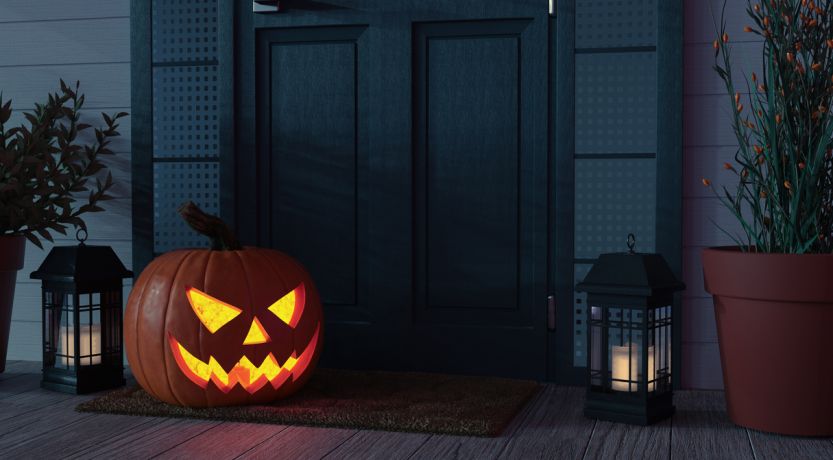
The Origin of the Jack-o’-Lantern“The jack-o’-lantern is now associated with the holiday of Halloween. Where did this mysterious symbol come from? What should we do with that knowledge?

Where did the jack-o’-lantern come from?

The childhood of many a person has been haunted by a dark, headless figure on a horse holding a flaming jack-o’-lantern. Washington Irving’s classic horror story “The Legend of Sleepy Hollow” has intrigued and terrified millions for over 200 years.

Interestingly, Washington Irving never mentioned his dark rider bearing a jack-o’-lantern. The author only referred to a shattered pumpkin found the morning after the main character’s disappearance. Adaptations of Irving’s story since then have made the famous pumpkin into the glowing jack-o’-lantern that we all imagine today. Since that fateful connection, the pumpkin with a sinister grin has become an integral part of Halloween.

But where exactly did the jack-o’-lantern come from, and what made it fit in so well with this haunting story and the holiday of Halloween?

Why carve up pumpkins?

The origin of the jack-o’-lantern goes back several centuries, starting with pagan customs that predated even the term jack-o’-lantern. In the dark woods of Ireland, England and Scotland, the Celts ruled. In their religion, the shortening days of autumn indicated the merging of the spirit world with our physical world. This merging was believed to fully happen on their holiday of Samhain (pronounced sah-win) on the night of Oct. 31.

Because of this terrifying belief, the Celts prepared for this time when they believed the spirits of the dead wandered the earth. They imagined that some of the spirits just wandered around, while others were vengeful spirits.

People were mostly defenseless against these dreaded spirits, except for the use of costumes and root vegetables such as turnips with carved faces. To add to the effect, they were “then illuminated by coal, wooden embers, or candles as a way to ward off evil spirits” (Merriam-Webster.com, “The History of ‘Jack-O’-Lantern’”). Displaying these ghastly vegetables was said to keep the spirits from visiting a person’s property.

English historian Ronald Hutton states that root vegetables were “hollowed out to act as lanterns and often carved with grotesque faces,” in association with Samhain, later known as Halloween, in the Celtic part of the world (The Stations of the Sun, 1996).

Eventually, the Roman Empire took over and “christianized” this pagan festival of Samhain, creating All Saints’ Day Nov. 1, with All Hallows Eve (Halloween) the night before. As Irish celebrants eventually moved to the United States, some of the ancient practices came with them. In the United States, the pumpkin was abundant and quickly became the vegetable of choice for carving.

But why call it a “jack-o’-lantern”?

There are various ideas about where the name “jack-o’-lantern” comes from. Britannica in its article “Why Do We Carve Pumpkins at Halloween?” states that it started with the Irish tale of Stingy Jack, who tricked the devil. When he died, the story goes, the deceitful Jack was not allowed to go to heaven due to the life that he had lived. The devil, however, wouldn’t allow him to enter his domain either.

Jack-o’-lanterns may appear fun now, but they have a very dark past that involved pagan worship and an attempt to keep roaming spirits away. To God, anything associated with any of those pagan customs cannot be tolerated in any way, shape or form.Destined to restlessly roam the earth forever, the spirit of Jack was given a burning ember by Satan. Placing that ember in a carved-out turnip, Jack wandered the countryside with his ghastly lantern. The superstitious Celts believed that mysterious swamp fires, called ignis fatuus, that actually occurred when decaying matter combusted, were evidence Jack’s spirit was roaming nearby. Over time, “Jack of the Lantern” became shortened to “jack-o’-lantern.”

Carved turnips and other vegetables were placed in the window at night to ward off Jack and other unwanted spirits. Naturally, the ghostly tale of Jack of the Lantern came to be associated with Halloween and added to the allure of the dark holiday.

According to History.com, when the Scots and Irish migrated to the United States, they used the abundant pumpkins to ward off evil spirits and celebrate Halloween (“How Jack O’Lanterns Originated in Irish Myth”).

Another, less dramatic, theory for the origin of the name is that a night watchman was generically known as “Jack” (similar to our phrase “John Doe”) and was called a “jack-o’-lantern.” How a night watchman would become associated with the Halloween holiday isn’t clearly explained, so the legend of Stingy Jack seems to be the more likely origin of the term.

What does God think of jack-o’-lanterns?

Many today think that jack-o’-lanterns are cute or fun symbols of a holiday celebrated by many Christians, Halloween. (For more about the origin of Halloween, read “Halloween: Should Christians Celebrate It?”) The symbolism in the minds of some has even changed from one of horror and wandering spirits to one of community, according to National Geographic.

Admittedly, very few will set out jack-o’-lanterns this year hoping to scare off evil spirits. Probably no one will do it in honor of Stingy Jack. Does that mean the symbol has been cleaned up and is okay to use?

Some pagan religions, including Wicca, do still use jack-o’-lanterns for their originally intended purpose.

However, the ultimate question is, What does God think of people using jack-o’-lanterns?

God warns us to avoid spirits or anything associated with them (Leviticus 19:31). He abhors witchcraft and pagan religions, as well as any of the dark arts that delve into an evil spirit world.

God also has strong words to say about mixing His true religion with false and pagan practices: “Take heed to yourself that you are not ensnared to follow them, after they are destroyed from before you, and that you do not inquire after their gods, saying, ‘How did these nations serve their gods? I also will do likewise.’ You shall not worship the LORD your God in that way; for every abomination to the LORD which He hates they have done to their gods; for they burn even their sons and daughters in the fire to their gods” (Deuteronomy 12:30-31).

New Call-to-actionJack-o’-lanterns may appear fun now, but they have a very dark past that involved pagan worship and an attempt to keep roaming spirits away. To God, anything associated with any of those pagan customs cannot be tolerated in any way, shape or form.

God knows the origin of the jack-o’-lantern and will not have anything to do with it. What will you do now that you know the origin of the jack-o’-lantern?”  From: https://lifehopeandtruth.com/life/plan-of-salvation/holy-days-vs-holidays/halloween/origin-jack-o-lantern/?

________

Matthew 5:41   Go the Extra Mile

(41) And whoever compels you to go one mile, go with him two.

  • New King James Version

“In this passage, Christ addresses the Roman practice of commandeering civilians or their property (mules, horses, oxen, camels, carts, wagons, etc.) to carry the luggage or other burden of military personnel for, in this case, one mile.

Evidently, the practice did not originate with the Romans but with the Persians. As there were no post offices at the time, and in order that royal orders might reach their destination quickly, Cyrus set up a system not unlike our Pony Express. A rider in this service was empowered to take a civilian's horse (usually his best or only horse), if his was worn out or lame. In addition, he could press a boat, cart, or any other vehicle into the king's service.

In recent centuries, this practice, often used to force seamen into the service of another nation's ships, has been called impressment. In America's Revolutionary War period, British ships would often intercept other nations' ships and force any American sailors found on them to work for the Royal Navy. In Roman times, a man could have worked all day, his family waiting for him to come in from his fields, and suddenly, a Roman soldier could order him to carry a heavy load for a mile.

No one likes to be made to do someone else's work. At the very least, we are apt to complain, argue, or simply refuse to be so used. Being compelled to engage in "community service" by law or by might is demeaning and perhaps unjust. But Jesus tells us to take the sting out of the situation by being willing to carry such a burden an extra mile in a cheerful attitude.

In a similar vein, Solomon advises, "If your enemy is hungry, give him bread to eat; and if he is thirsty, give him water to drink; for so you will heap coals of fire on his head, and the LORD will reward you" (Proverbs 25:21-22). Jesus says something very similar in His subsequent teaching (Matthew 5:44-45). Being struck, sued, or forced to carry a heavy load can bring out the worst in human nature: anger, resentment, outrage, and even violence. But when those who have been called find themselves in difficult and trying circumstances, their attitude must not be belligerent, spiteful, or vengeful, but helpful, willing, and good-natured. "Above and beyond" must be their motto.”

— John O. Reid.  To learn more, see:  Go the Extra Mile  From: https://www.theberean.org/index.cfm/main/default/id/7345/ver/NKJV/matthew-5-41.htm

_______

Bleach-Free Pumpkins

“People spend a lot of time and effort on their jack-o’-lanterns and want them to last as long as possible, so some use bleach to preserve them and deter animals from snacking on them.

But bleach is dangerous to wildlife.

Squirrels, raccoons, and deer are just a few animals who may nibble on your masterpiece.

A great alternative to bleach is vinegar. Use one part vinegar to 10 parts water to help preserve your pumpkin.”  From:  https://therainforestsite.greatergood.com/clicktogive/ars/home

________

Monday, March 19, 2018

Stephen Hawking and the Big Question. The Patrick You Didn't Know. Cereal Bags Kill. Dog Fighting Is Not Entertainment! Update.

For “Scripture Sunday”, but late again.

Stephen Hawking and the Big Question

“Stephen Hawking’s brilliant mind revolutionized the world of theoretical physics—but did he ever find an answer to “the big question” that drove him?

Stephen Hawking and the Big QuestionFor Stephen Hawking, there was only ever one big question.

During his university years, everything came easy. He rarely studied or took notes because, in his words, “Nothing seemed worth making an effort for.” The exception was cosmology. He was drawn to the subject because it involved “the big question: Where did the universe come from?” (Kitty Ferguson, Stephen Hawking: An Unfettered Mind, 2013, p. 31).

He spent his career in pursuit of answering that question, even as amyotrophic lateral sclerosis (ALS, or Lou Gehrig’s disease) slowly destroyed his ability to move his own body. Over time, he lost all muscle control with the exception of the ability to flex a finger, twitch his cheek muscles and move his eyes.

But that was enough. Those few muscle movements were all he needed to turn the world of physics on its head and make a lasting impact on how we look at the universe itself.

A theory of everything

In 1973 Dr. Hawking spent months trying to decipher how quantum mechanics interacted with the forces of gravity. Since he was unable to write or even turn pages, “friends turned the pages of quantum theory textbooks as Dr. Hawking sat motionless staring at them for months. They wondered if he was finally in over his head” (“Stephen Hawking Dies at 76; His Mind Roamed the Cosmos”).

But he wasn’t.

Dr. Stephen Hawking was temporarily released from the constraints of his wheelchair when he took a zero gravity flight in 2007.

He succeeded not only in performing an astronomically complicated calculation entirely in his own mind, but also in making an astronomically important discovery. The result was a completely new way of looking at black holes—those supermassive collapsed stars so dense that even light itself can’t escape their pull—and the discovery of Hawking radiation.”      Continued at: https://lifehopeandtruth.com/life/blog/stephen-hawking-and-the-big-question/

________

The Patrick You Didn't Know

“Who was "Saint" Patrick? What did he believe? What did he teach? And was he really Irish?

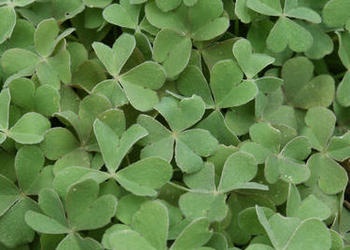
Patch of cloverssxc.hu/shannahsin

Saint Patrick’s Day is a well recognized holiday in the Western world. Celebrated in mid-March with no other Christian holidays around it, Saint Patrick’s Day has taken on a very festive atmosphere. While many picture wearing green, three-leaf clovers, leprechauns, green beer and corned beef, do any of those things really have anything to do with Patrick himself?

Do you know who Patrick was—and more importantly what he taught?

Let’s start with what most people think they know. We have been told that Patrick was a Catholic monk who brought the Trinity doctrine to the people of Ireland. And along the way he drove all the snakes from the Emerald Isle. He became so renowned that the Catholic Church made him a “saint.”

None of that is true.

The Scottish slave in the Celtic Church

Patrick’s given name was actually Maewyn Succat (or Sucat). He took the name Patrick most likely because of the area he was from in Scotland. That’s right, Patrick was Scottish, not Irish! Here’s what Patrick said himself of his background:

I, Patrick…had Calpornius  for my father, a deacon, a son of the late Potitus, the presbyter, who dwelt in the village of Banavan…I was captured. I was almost sixteen years of age…and taken to Ireland in captivity with many thousand men” (William Cathcart, D. D., The Ancient British and Irish Churches , p.127).

Patrick labored for six years as a slave until he managed to escape back to his native Scotland around A.D. 376. He believed he had a calling from God, however, to go back to Ireland to teach God’s Word to the people there. The Catholic Church, while having had an impact in England and later Scotland, did not have a significant foothold in Ireland until the 12th century. They didn’t even acknowledge Patrick for about 200 years after his death.

Patrick was connected to what is known as the Celtic Church. It was very much opposed to what was taught in the Roman Catholic Church.

While we have little of Patrick’s history and teaching written by himself, what’s taught about Patrick now didn’t surface until about 500 years after his death. It was the Catholic priest Jocelyn, writing around A.D. 1130 who wrote most extensively about Patrick. He ignored much of what was known then about Patrick and inserted a Catholic background into Patrick’s story. Patrick never wrote about a connection to Rome or popes or that his authority came from there. So if Patrick wasn’t Roman Catholic, what did he teach?

Patrick’s actual teachings

In A.D. 596 Pope Gregory sent a group of monks to England to try and bring the Celtic Church under the authority of Rome. However, the Celts refused to acknowledge Gregory’s authority and rejected the teachings of the Roman Church. In Ireland the monks found that the Celtic Church permitted their priests to marry. They also practiced baptism by full immersion in water. The Celtic Church also rejected the doctrine of (papal) infallibility and veneration, transubstantiation, the confessional, the Mass, relic worship, image adoration and the primacy of Peter ( Truth Triumphant , by B.G. Wilkinson, pg. 108). The latter list is of specific Roman Catholic doctrines that the Celtic Church knew were not taught in the Scriptures.

Patrick also rejected the merging of church and state (a main teaching of Catholicism). He believed and taught the same as Jesus in John 18:36 that God’s Kingdom is not of this world. The Celtic Church had local ecclesiastical councils and kept Saturday as a day of rest, (A.C. Flick, The Rise of Medieval Church, pp. 236-327). In this matter of a Saturday (Sabbath) rest, Dr. James C. Moffatt wrote that, “They [the Celtic churches] obeyed the fourth commandment [the Sabbath commandment] literally upon the seventh day of the week” ( The Church in Scotland , pg. 140).

Patrick (and the Celtic Church) observed the other “festivals of the Eternal” (Leviticus 23), believed human beings were mortal (that is rejected the teaching of an immortal soul and the doctrine of going to heaven or hell), rejected the Trinity doctrine, followed the food laws of Leviticus 11, refused veneration of “saints” or worship of Mary, and believed that only Jesus Christ is our mediator (Leslie Hardinge, The Celtic Church in Britain ; B.G. Wilkinson, Truth Triumphant ).

The Celtic Church had a long history before the Catholic Church pushed deeper into England, Scotland and Ireland. Celtic writings speak of individuals coming from Asia Minor who brought with them the doctrines they received from John, Paul, Philip and other apostles of Jesus. A Catholic “father,” Bede, (who lived in the mid 700s A.D.) who wrote about the Celtic Church:

“They ignorantly refuse to observe our Easter [Pascha, or Passover] on which Christ was sacrificed, arguing that it should be observed with the Hebrew Passover on the fourteenth of the moon” (Bede, Historia Ecclesiastica ).
What about St. Patrick’s Day?

Conrtinued at: https://www.ucg.org/vertical-thought/the-patrick-you-didnt-know

_________

A Common Mistake Killed Her Dog, Now She Is Sharing His Story To Save Others

BY ANDREA POWELL

“Christina Young had to endure the sudden loss of her beloved dog, Petey, after a common mistake was made. This could be happening in many homes right now!

Young’s boyfriend, Christian, came home one day expecting Petey to greet him with a wagging tail and wet nose, but that didn’t happen. When he entered their home and Petey was not at the door, he became alarmed. Christian went further into the home, where he found their best friend, lifeless on the floor with a chip bag over his head.

Photo:Facebook/Christina Young

Photo: Facebook/Christina Young

Young posted to Facebook, “He was able to get them off the counter [and] we will forever blame ourselves for leaving [them] out. He ate every chip out but, of course, went back for crumbs…. With there being nothing left inside, every time he would go for more he would inhale, making the bag tighter and tighter around his head…ultimately resulting in suffocation .” 

Photo:Facebook/Christina Young

Photo: Facebook/Christina Young

Young couldn’t understand why Petey couldn’t get the bag off his head with his paws. She dived into researching the subject and found that it is more common than she thought. She was not alone, and she was not the first to wonder why there was not more information or awareness of this. She goes on to say, “3-5 pet suffocations get reported every week, and 42 percent of those occur while the owner is in the next room. It only takes about 3 minutes for their oxygen to drop to fatal levels.”

In her research, she discovered that literally any bag can cause suffocation and needs to be out of reach for your dog. She never imagined this could happen, and you may not have either.

She ends her post with a plea to all pet parents, “So I just ask that in honor of my boy, Petey, that you be extra careful, warn other dog owners, and give your fur babies some extra love today and every day after this. I pray none of you ever have to experience your heart breaking this way.”  From: http://blog.theanimalrescuesite.com/chip-bag-petey/ 

________

Dog Fighting Is Not Entertainment!

Please tell YouTube to remove all videos containing any form of dog fighting.

The Animal Rescue Site received a disappointing letter from YouTube in response to our request to ban dog fighting videos. Rather than agree to remove them, YouTube merely reiterated their flagging policy, and did nothing to acknowledge the harm these videos are causing. Your signatures are more important than ever -- help us tell YouTube that we won't take no for an answer!”  http://theanimalrescuesite.greatergood.com/clickToGive/ars/petition/YoutubeDogfighting

_______

Update.

Zack and I did a little bit of work in the mini-house, but most of the week was taken up with messing with my van.  My granddaughter helped me get it dropped off to get the oxygen sensor replaced and Chris took me to pick it up.    I had only driven it 14 miles when the light came back on again  !!!   I took it straight back so they scanned it again and said that it needs a catalytic converter now, and that’s $550.  It is a very quiet vehicle and it doesn’t smell of rotten eggs like bad converters usually do.

The van still has to be driven the required 100 miles to make sure the oxygen sensor is OK, so I drove to church as usual.  I was told that I have all the necessary paperwork if I am stopped for having out of date tags and inspection.

My little timid ‘Puddin’, foster cat, went to her new home, but I haven’t heard how she is getting along yet.  Luna, the Siamese, and I miss her, and Luna keeps on looking for her.

One morning, I was standing in my kitchen when water dripped on me.   Zack and I found out that the ceramic-lined water heater connector that goes in the top of the water heater had developed a pin point leak.  Fortunately I had another one, so with Chris’ help, as she is very strong because she trims horses feet, we got the old stubborn, calcium-ridden, corroded one off, and replaced it.

For the church pot-luck, I made a par-boiled shredded beet and carrot salad made with orange, lemon juice, olive oil, not vinegar.  Also a potato, leek and parsley dish, and another of cabbage with onions and matchstick carrots.  We had a lot of other dishes and veggies, and everything was enjoyed by all. Two separate familes who each have five children couldn’t come, so it was a lot quieter in the dining hall.  They keep all their children quiet during the service, so they get a bit rambunctious afterwards.

The Bible readings were Exo. 35:1-38:20, about the Sabbath and the making of the Ark of the Covenant and the Altar.  The Teaching was about “False Doctrines”, how they were foretold, and that we can see them being taught even today. 

Claudia isn’t at the nursing home near the church as she is back in the hospital on the west side of Houston, near her daughter’s houses, so I couldn’t go see her.

I did get another cheaper estimate for the converter, but I am going to investigate this further when I can leave here without going the long way around.  There was a bad fire at the storage units down the street, and the road will be blocked most of the day.

Tuesday, November 19, 2013

JFK in Dallas, TX. Ruth Paine House Museum, Irving, TX. Old Skylines. St. Petersburg Flood. Gettysburg Address. Non-Poo.


For "Travel Tuesday":  Let's visit Dallas, TX, as it was in 1963, and before:

Events mark 50 years since JFK assassination

This tabletop model at the Sixth Floor Museum at Dealey Plaza shows the positions of the president’s car as three shots were fired from the building, then known as the Texas School Book Depository.

-

"As the 50th anniversary of President John F. Kennedy’s assassination approaches, dozens of events are planned to honor his life and legacy in Dallas and surrounding cities.

The museum preserves the space where a sniper’s nest and rifle were found after JFK’s assassination.

The Sixth Floor Museum at Dealey Plaza, on the same floor from which the fatal shots were fired on Nov. 22, 1963, has had a steady stream of visitors leading up to the grim anniversary. Permanent exhibits highlight Kennedy’s leadership, the assassination and conspiracy theories that still surround this event a half-century later. The museum also regularly hosts “living history” lectures by people connected to the president or the events surrounding his death—the next one on Dec. 6-7 features Kari-Mette Pigmans, who was a Pan Am flight attendant aboard the White House press plane in the early 1960s and met Kennedy several times. Visit www.jfk.org for details.

The museum and the Nasher Sculpture Center also will host special concerts to commemorate JFK’s death. “One Red Rose,” composed by Stephen Mackey for the event and performed by the Brentano String Quartet, will be presented along with other works Nov. 23-24. Tickets are required—visit the sculpture center website for the Saturday evening concert or the museum website for a Sunday afternoon performance.

In Fort Worth, the Amon Carter Museum of American Art hosts “Hotel Texas: An Art Exhibition for the President and Mrs. John F. Kennedy” through Jan. 12. The exhibit features the works procured for the president’s suite for his overnight stay in Fort Worth before his fateful visit to Dallas in 1963. The original installation included paintings by Thomas Eakins, Lyonel Feininger, Marsden Hartley and Franz Kline, as well as sculptures by Henry Moore and Pablo Picasso—all chosen by a small group of Fort Worth art collectors to appeal to the tastes of President Kennedy and the First Lady.

For other performances, exhibits, book signings and other events related to JFK, the Sixth Floor Museum offers this list on its website. VisitDallas.com features additional events here."

_______

Irving home where Oswald stayed before JFK assassination to open as museum

image "It may seem like the 1963 assassination of President Kennedy has been dissected in every manner imaginable. But the assassination’s pending 50th anniversary on November 22 continues to reveal new perspectives of the event. Case in point: Wednesday’s opening of the Ruth Paine House Museum, the suburban Irving home where Lee Harvey Oswald stayed the night before he shot Kennedy.

Ruth Paine, a suburban housewife, lived in the home at the time and had allowed Oswald’s wife,  Marina, to live there with her two young daughters. The City of Irving purchased the home in 2009, restored it to its 1963 appearance, and added multimedia exhibits about the time period.

Tours of the Ruth Paine House begin at the Irving Central Library, and then travel by van to the Paine house. Tickets cost $12 and must be reserved in advance.

Read more about the Ruth Paine House project in this story by Jamie Stengle for The Associated Press.

______

Dallas in Days Gone by:

Post Office - 1930s

image

1932

1938


Elm & St. Paul, Main Street 1947

Oak Lawn streetcar service in 1948.

1951


1958

image

1960's

--------

100 years ago:

Johnson & Rogers, 1912, "Dallas, Texas skyline, August 1912," courtesy Library of Congress (PAN US GEOG - Texas no. 74).

______

On This Day:

Thousands perish in St. Petersburg flood, Nov 19, 1824:

"On this day in 1824, a flood on the Neva River in Russia claims an estimated 10,000 lives.

Winter came early to Russia in 1824. The very cold weather caused blocks of ice to form on the Neva River, near the city of St. Petersburg. Enough ice developed that the river's flow was nearly stopped for several weeks. Water backed up behind the ice, but did not freeze. As a result, when the weather briefly warmed, the ice jam broke apart and the water overwhelmed the city's dam.

The flood of icy cold water was the worst in the city's history. Hundreds of carriages and horses were swept away suddenly. Four hundred soldiers stationed in barracks climbed to the roofs to escape the flood, but were all killed. The water's freezing temperatures made staying alive in it for any length of time impossible. At the Kronshtadt port, hundreds of sailors were killed. The surge of water was so powerful that several ships were thrown into the city's marketplace.

Much of the city's rich cultural history was lost in the flood. Valuable and irreplaceable books and art were damaged beyond repair. Even Czar Alexander I's royal palace suffered extensive damage, as water rose above the first floor of most of the city's buildings. Although exact numbers are impossible to determine, it is generally believed that as many as 10,000 people were killed."

______

Lincoln delivers Gettysburg Address, Nov 19, 1863:

"On November 19, 1863, at the dedication of a military cemetery at Gettysburg,Pennsylvania, during the American Civil War, President Abraham Lincoln delivers one of the most memorable speeches in American history. In just 272 words, Lincoln brilliantly and movingly reminded a war-weary public why the Union had to fight, and win, the Civil War.

Lincoln, who began his address with the now well-known phrase "Four score and seven years ago," reminded the assembled crowd of the Founding Fathers' vision, which established a nation that was "dedicated to the proposition that all men are created equal."

"The world will little note, nor long remember what we say here, but it can never forget what they did here. It is for us the living, rather, to be dedicated here to the unfinished work which they who fought here have thus far so nobly advanced. It is rather for us to be here dedicated to the great task remaining before us—that from these honored dead we take increased devotion to that cause for which they gave the last full measure of devotion—that we here highly resolve that these dead shall not have died in vain—that this nation, under God, shall have a new birth of freedom—and that government of the people, by the people, for the people, shall not perish from the earth."

Reception of Lincoln's Gettysburg Address was initially mixed, divided strictly along partisan lines. Nevertheless, the "little speech," as he later called it, is thought by many today to be the most eloquent articulation of the democratic vision ever written.

Today, the words of the Gettysburg Address are carved into a wall of the Lincoln Memorial in Washington, D.C."

______

Yesterday:

Tired of all the chemicals that they put in shampoos, which dry out my hair even though I use conditioner, last Saturday, I tried something new, to me anyway.  It's a "non-poo".  No, not that 'poo', it's non-shampoo.  In a measuring cup, I put 4oz of warm water, and added baking soda to the 5oz mark, and washed my hair with it. Then I rinsed my hair with very diluted Apple Cider Vinegar, and rinsed that off.  No, the smell doesn't linger!  My hair isn't brittle and dried out anymore, and feels really shiny and clean.  Anyone else tried that?

Yesterday, Ray and I stapled up the rest of the screen on the porch.  But we still have to do the two end triangles at the top where the porch roof meets the house, but they will be more complicated.

So, I can't let the cats out there on their "Catio" (Cat Patio) just yet.  Peekers is an active little kitten and he would climb up and be gone.  The weather would be just great for them to hang out there, as it was still a doors-and-windows-open day.

Wednesday, November 6, 2013

Black Vulture. Songbirds On The Menu. Condors Ate Lead. Thwarting Squirrels. Project Puffin. Eurasian Pygmy-Owlet. BirdNote: Puffins and Pygmy-Owls! "Teddy" Roosevelt in Panama. Apple Cider Vinegar.


For "Winged Wednesday";

Black Vulture:


"Meet the common, frequently unappreciated, and at times abhorred, Black Vulture.

In Egyptian mythology, the nurturing ways of vultures, in general, led the birds to be respected as sources for maternal inspiration. Priestesses, called mothers, wore robes made of vulture feathers. Early Egyptians believed that vultures would reveal the site of a future battle by appearing there seven days prior to bloodshed, while in other cultures the bird was believed to play a role in releasing the spirit of the deceased to the heavens.

In the early 20th century, ill-founded concerns arose about vultures spreading disease. The birds were killed by the thousands until the 1970s, when their role in the environment became better understood and accepted. Today, Black Vultures are mostly regarded as the beneficial scavengers that they are. (Read about another scavenger that is not faring so well: the California Condor.)

Black Vultures have limited vocal abilities; since they have no syrinx, the vocal organ of birds, they communicate through raspy hisses and grunts. They also lack a keen sense of smell, instead relying on birds that do—such as Turkey Vultures—to lead them to carrion, their main source of food.

Black Vultures are monogamous, staying with their mates for many years, all year round. They maintain strong social bonds with their families throughout their lives and will aggressively prevent non-relatives from joining them at roosts or following them to food sources." Help ABC conserve birds and their habitats!   Range Map by NatureServe.    American Bird Conservancy is a 501(c)3 non-profit organization that conserves native birds and their habitats across the Americas.

_______

Emptying the Skies: Important Film about Songbirds in the Mediterranean

"At American Bird Conservancy, our mission is to conserve native birds and their habitats across the Americas. But every now and then, in an area outside of our geographic focus, an issue arises of such importance that we feel a need to shine a light on it. The ongoing slaughter of songbirds in the Mediterranean is one such issue."

image "To learn more, see “Emptying the Skies,” a film inspired by a New Yorker article penned by award-winning novelist and ABC Board member Jonathan Franzen. The film follows an intrepid group of bird-lovers who risk life and limb to disrupt the poaching of millions of image songbirds trapped to be served as illegal delicacies at restaurants. The bird-lovers free as many birds as possible.

The film premieres in New York City on Nov. 21 as part of the DOC NYC film festival. Jonathan Franzen and producer Roger Kass will participate in the Q&A after the screening."  Get tickets to the New York City premiere


-------

Q&A: DOUGLAS AND ROGER KASS ON ‘EMPTYING THE SKIES’

http://hamptonsfilmfest.org/features/qa-roger-kass-emptying-skies/

______

Los Angeles Zoo treats 21 California condors for lead poisoning

LOS ANGELES (KABC) --"A record 21 condors have been taken to the L.A. Zoo for rehabilitation in a two-week period, caught by Fish and Wildlife and testing positive for lead poisoning. Field crews trap condors in the wild twice a year to check their health and to put transmitters on them.

In the wild they are tough, living up to 80 years and surviving primarily on animal carcass. But these California condors now need help.

"Some of them are upwards of 15, 16, 17 years old, and we raised them way back then. To see that it's kind of heartbreaking. Their food is poisoned, so nothing can survive that," Los Angeles Zoo animal keeper Michael Clark said. Clark says he expects more to come in.

"When hunting season starts, there's a lot of waste out there, and that's good news for condors unless of course the hunters are using lead ammunition, then it's bad news. That's probably what happened," Clark said."  More at: http://abclocal.go.com/kabc/story?section=news%2Flocal%2Flos_angeles&id=9308716

______

Thwarting Backyard Squirrels

imageTips for outwitting these clever thieves at your bird feeders

"Now, I have nothing against squirrels and wouldn’t mind providing them with food for winter if they just knew when to quit. But they don’t, and they frequently devour all the seed I put out in a matter of hours, if not minutes. To deter them, I’ve placed my bird feeders in an open area, with a metal baffle on the pole. Sometimes, however, a squirrel still gets on those feeders. I confess I’ve sat by a window for a long time watching to see how the animal could possibly get past the “squirrel-proof” baffle.

“The best you can hope for is a squirrel-resistant feeder,” says David Horn, an associate professor of ecology at Millikin University in Illinois. His research includes the study of the feeding of wild birds, and over the years he has learned a thing or two about thwarting squirrels:   More at: http://www.nwf.org/news-and-magazines/national-wildlife/birds/archives/2013/thwarting%20backyard%20squirrels.aspx

"Things Not To Do: Don’t put grease or petroleum jelly on the feeder pole. “Imagine if that substance was on you,” says Horn. It can coat the fur of a squirrel or get in the feathers of a bird. Also, don’t hang mothballs. They are a registered pesticide and should be used only as directed."

_______

Do you know about Project Puffin?

http://cts.vresp.com/c/?BirdNote/54c2235c3f/b0eaa8d8cc/e70be12f97

"This team pioneered a technique called "social attraction" to bring puffins back to Maine, which is now being used to benefit 47 different species of seabirds in 14 countries. Learn the history of the program, how you can get involved, and watch a video featuring Steve Kress. Steve is also the director of the Hog Island Audubon Camp."

_______

Watch this adorable video of an Eurasian Pygmy-Owlet peering out of its nest cavity >>
http://cts.vresp.com/c/?BirdNote/54c2235c3f/b0eaa8d8cc/8a637073d7
What about the parent? See another video of this cavity from the side >>

_______

image

BirdNote: Puffins and Pygmy-Owls!


Upcoming Shows:


http://cts.vresp.com/c/?BirdNote/54c2235c3f/b0eaa8d8cc/7981707619

Northern Pygmy-Owl SUNDAY Pygmy-Owls' False Eyes by Bob Sundstrom  LISTEN NOW

http://cts.vresp.com/c/?BirdNote/54c2235c3f/b0eaa8d8cc/2f9581469a

Dr. Stephen Kress  MONDAY Bringing Puffins Back To Maine Featuring Dr. Stephen Kress, Director, Project Puffin   LISTEN NOW

http://cts.vresp.com/c/?BirdNote/54c2235c3f/b0eaa8d8cc/385dfd7cf9

Black-capped Chickadee  TUESDAY Old and New Memories of Black-capped Chickadees - The Work of Fernando Nottebohm by Todd Peterson  LISTEN NOW ►

http://cts.vresp.com/c/?BirdNote/54c2235c3f/b0eaa8d8cc/a885190b15

Green Jay WEDNESDAY The Birding Priest Featuring Fr.Tom Pincelli   LISTEN NOW

http://cts.vresp.com/c/?BirdNote/54c2235c3f/b0eaa8d8cc/3ff59c7cff

Atlantic Puffins THURSDAY Restoring Bird Colonies With Social Attraction Featuring Dr. Stephen Kress, Director, Project Puffin  LISTEN NOW

http://cts.vresp.com/c/?BirdNote/54c2235c3f/b0eaa8d8cc/7382923f55

Rock Pigeons  FRIDAY Asleep on a Perch by Bob Sundstrom  LISTEN NOW ►

http://cts.vresp.com/c/?BirdNote/54c2235c3f/b0eaa8d8cc/2a8dec409a

Bufflehead  SATURDAY Bufflehead Return by Frances Wood  LISTEN

_______

On This Day:

Teddy Roosevelt travels to Panama, Nov 6, 1906:

"On this day in 1906, President Theodore "Teddy" Roosevelt embarks on a 17-day trip to Panama and Puerto Rico, becoming the first president to make an official diplomatic tour outside of the continental United States.

President Roosevelt visited Panama to check on the progress of the Panama Canal, the construction of which had suffered many setbacks, including worker accidents and disease outbreaks. Roosevelt's tenacious demands for improvements in health care and better working conditions pushed the canal project forward just when it image appeared doomed to failure. His trip to the construction site in 1906 –which included the taking of a November 15 photo of the president himself working the controls of a large steam shovel—helped to boost flagging morale.

Roosevelt's next stop was Puerto Rico, which had become a U.S. protectorate after the Spanish-American War of 1898. In 1900, President William McKinley promised to help establish a civilian government there without becoming an occupying power. McKinley was assassinated in 1901, and Roosevelt, who was then serving as McKinley's vice president became president, inheriting the stewardship of Puerto Rico. In 1906, he traveled to the country to recommend that Puerto Ricans become U.S. citizens. He stopped short of suggesting Puerto Rico become another U.S. state, however, and vowed to allow the island a certain amount of autonomy. (It was not until 1916, under President Woodrow Wilson, that the Jones Act was passed, extending the option of U.S. citizenship to Puerto Ricans while preserving Puerto Rico's autonomy.)

Although presidents before Roosevelt had traveled outside the U.S. in other diplomatic capacities prior to or after serving as president, Roosevelt was the first to make a "state" visit while in office. His trip to Panama and Puerto Rico signaled a new era in how presidents conducted diplomatic relations with other countries."

_______

Yesterday:

Nala, my foster cat, has a bad habit.  When I take a glass of water or juice to have by my bed at night, she wants to drink it.  If it is too low in the glass, she will knock it over to drink it off the nightstand.  Well, I fixed her…  Bragg's Apple Cider Vinegar is supposed to keep you healthy, and even lower LDL, the bad cholesterol.  When I remember, I try to have 1-2 teaspoonfuls a day in a drink.  Now, I really remember, as Nala won't drink it.  Two problems solved.image

image

Bragg’s Apple Cider Vinegar

Readers' Digest: http://www.rd.com/slideshows/8-health-benefits-of-apple-cider-vinegar/

NaturalNews: http://www.naturalnews.com/041489_apple_cider_vinegar_health_benefits_natural_medicine.html


As neither Ray nor Jay would be here, it gave me the morning to do a couple of errands.  One was to get a new tire to replace the one that is out-of-round, and also to get a couple of cabinets.

Habitat For Humanity has a Restore here, and I was looking for a cabinet for my screen porch, and one for the guest house. The sink cabinet on my porch is really too wide, and the back can be seen through the patio door in the living room.  Anyway, I want to use that sink and cabinet in the greenhouse. It is an old-fashioned porcelain covered metal sink with draining boards on each side of the sink. Then the guest house needs a cabinet that an oven can be built into.

The Restore store used to have masses of cabinets, so I was surprised to see hardly any there.  I was just about to leave when one of the store's helpers said that I could buy a certain set of three white lower cabinets for $25, IF I took them all right away.  The staff would have to move them before the next rain fall, or they would get wet and have to be thrown away.  I measured,  pondered, figured, and saw that I could use them in both places.  As the Formica top was in a big 'L', they cut it, so that it would fit in my van.  The rest of the cabinets stacked in there quite nicely, too.

By the time that was done, I just wanted to get my load home, and worry about the tire another day.

Friday, December 9, 2011

Do You Want Vinegar With That? Charles and Diana. Cold.


For "Foodie Friday":

"There are many ways that vinegar can be used inside and outside your home to cut your cleaning costs and aid in your everyday chores?

Read on for more helpful hints in how vinegar can make your life a little simpler. These tips and ideas include uses that involve the hard to handle stains, smells, and animal uses as well.

Clay pots
Do you love to garden but hate the mess and the scrubbing of cleaning pots? Clay pots will easily come clean when you use a mixture of ½ water and ½ vinegar in your sink or bucket, soak the pot for about two hours, and then just wipe the pots dry! No scrubbing needed. Wash the pots and their saucers with warm soapy water.

Flies
Do you find flies annoying when you are out at the pool? Pour vinegar the entire way around the edge of your pool (not in the water) to keep flies away from this area!

Horses
Do you have horses but hate the way the flies are always hanging around? Use about ¼ cup of vinegar in the grain once a day at feeding time and the flies will keep away from the horses! 

Campers
Are you a camper? Are you always on the go? Did you know that gasoline and propane lantern mantles last longer and burn brighter on the same amount of fuel if they are soaked for several hours in distilled vinegar and allowed to dry before using.

Chickens
If you have chickens, use vinegar to clean out the water containers to keep mold from growing! Simply soak with vinegar for about five minutes then rinse with water.

Rabbits
If you have rabbits, use vinegar to clean out the water containers to keep mold from growing! Simply soak with vinegar for about five minutes then rinse with water. This also works with the water bottle that you hang in the pen. 

Mosquitoes
Do you have a problem with mosquitoes? Drink a couple of spoonfuls of vinegar daily to fight off these unwanted pests. But do note, your perspiration will be unpleasant during the day you drink vinegar.

Car sick
Do you or your kids get carsick? To clean up vomit in the car while removing the odor as well, use a mixture of ¾ vinegar and ¼ water. Spray on the affected area and wipe with a damp cloth. 

Grass killer
Do you have grass growing in areas where it shouldn’t be, like between rocks or in a driveway? Try this; pour hot vinegar on the grass once daily for three days and the weeds will die without the use of hard chemicals.

Frost preventer
When you have to leave your car outside overnight in the winter, mix 3 parts vinegar to 1 part water and coat the windows with this solution. This vinegar and water combination will keep windshields ice and frost-free.

Ice remover
If you have problems with frost and ice on your windshield in the winter months, keep a spray bottle of vinegar in the car, and spray your windshield, watch the ice and frost just melt away. This works quickly, when you don’t have time to wait for your car to ‘thaw out’ to see and drive carefully!

Bug remover
When you are driving do you often have bugs hit your windshield? Keeping your windshield clean is difficult but using about 3 cups of vinegar in your washer reservoir in the summer months gives you the added bonus of getting bugs off fast.

Septic tanks

Are you a homeowner and you use a septic tank? Instead of using costly and harsh chemicals in your septic tank, use vinegar. Flushing vinegar down the toilet will work its way into your septic tank, and will keep germs down to a minimum. This also helps keep your toilet clean from hard water stains!

Stains on concrete
If you have stains on your concrete, pour some vinegar on the concrete, and let it sit overnight. Hose off with water and be amazed at how clean your concrete is!

Azaleas
Are you a garden lover, and azaleas are on your list? Water your azalea plants once a month with a quart of water with about ½ cup of vinegar added. Vinegar is very acidic and they will grow with this extra touch. Plants that love the same mixture with vinegar are rhododendrons and gardenias!

Cut flowers
Vases love to hold flowers, but fresh cut flowers often won’t last long in a vase. Use two tablespoons of vinegar with three tablespoons of sugar in your vase for your next batch of fresh flowers to make your flowers last extra long!

Milking equipment
Farmers can use vinegar to neutralize and clean their milking equipment. The vinegar will leave the system odorless and bacteria free without using harmful chemicals.

Car chrome
There are not many cars that are made today that have a lot of chrome on them, but do you know how to keep your chrome clean? You can polish chrome with full strength vinegar for a clean shine.

Outdoor carpets

Indoor and outdoor carpet alike can be treated with vinegar if your pet has made urine stains. Blot the top of the carpet, and treat with cool vinegar and water mixture. Be careful, using hot water, as hot water sets a stain in carpet.

Bug killer
Love fresh vegetables picked from the garden but you don’t like the bugs that come with it? Wash vegetables with vinegar and salt and watch the bugs’ just float away leaving you clean ready to eat vegetables!

Scale fish
Does the avid fisherman live in your home? If you have to scale a fish, rub vinegar on the fish five minutes before you are ready to begin and you will find the process much easier!

Keep cats away
Keep cats away from your flower garden by sprinkling vinegar all around your flowerbed. While keeping cats away, you will keep ants away and promote the acid level for your flowers! 

Dogs scratching
If your dog is always scratching at his ears, you can help you pet easy! Clean the inside of the dogs ears with a soft cloth dipped in ½ water and ½ vinegar to help stop ear wax, and to chase little bugs away!

Fleas
Do you have a problem with fleas on your pets?  Add a little vinegar to their drinking water to deter fleas from infesting your favorite pet. 

Chickens

Farmers use apple vinegar in their drinking water for chickens to keep them from pecking at each other. 

Showing animals
If you like to show your horse or dog, spraying vinegar on their coat gives them an extra shine. This is a great alternative to the expensive show products available.

Pet skin infections
If your cat or dog has a skin infection rinse them in vinegar after their weekly bath to promote healing and cut bacteria growth. 

Sandboxes
To keep cats away from a small child’s sandbox pour vinegar around the perimeter of the sandbox weekly. Reapply if you notice the cat trying to get back in the sand box, but this trick works wonders at keeping bugs and pests away as well!

Dog training
If you have a puppy or dog that you are trying to train to be quiet, get a squirt gun, fill it with water and a dab of vinegar, and when the dog is noisy, squirt him. The smell of vinegar helps to let the dog ‘know’ that he should not bark.

Furniture
Mix olive oil and vinegar in a one-to-one ratio and polish with a soft cloth.  Try in an inconspicuous place first.

Cleaning Leather Shoes
Make a solution of one part water to one part white vinegar, and use it sparingly on the shoes. Dip a cloth into the solution, and dab it over the salt-streaked parts of your shoes.
May have to repeat the cleaning a few times before all the salt is removed.  Salt actually can damage leather, so it's best to clean shoes as quickly as possible. Don't let the salt stains build up.

Fireplaces
Wash fireplaces with a 50/50 ratio of water and vinegar to remove the blackened soot on glass front doors. If the doors have a spring-loaded clip, remove it, then take out the doors.  Lay them flat on newspapers, spray with the vinegar/water solution and soak.  Wipe it off with newspaper.

Cleaner for Gold Jewelry (Winner of June 2007 Vinegar Online Use Contest)
Use one cup apple cider vinegar.  Submerge solid gold jewelry item in vinegar for 15 minutes.  Remove and dry with cloth.

Household Hints:
Floors

No-wax floors:
To wash no-wax floors, add ½ cup of white distilled vinegar to a half-gallon of warm water.

Carpet stain removal:
A mixture of 1 teaspoon of liquid detergent and 1 teaspoon of white distilled vinegar in a pint of lukewarm water will remove non-oily stains from carpets. Apply it to the stain with a soft brush or towel and rub gently. Rinse with a towel moistened with clean water and blot dry. Repeat this procedure until the stain is gone. Then dry quickly, using a fan or hair dryer. This should be done as soon as the stain is discovered.

Windows & Walls

Streakless windows:
Simply wash with a mixture of equal parts of white distilled vinegar and warm water. Dry with a soft cloth. This solution will make your windows gleam and will not leave the usual film or streaks on the glass.

Washing woodwork:
You can ease the job of washing painted walls, woodwork and Venetian blinds by using a mixture of 1 cup ammonia, ½ cup white distilled or cider vinegar and ¼ cup baking soda with 1 gallon of warm water. Wipe this solution over walls or blinds with a sponge or cloth and rinse with clear water. Dirt and grime comes off easily and the solution will not dull the painted finish or leave streaks.

Water or alcohol marks on wood:
Stubborn rings resulting from wet glasses being placed on wood furniture may be removed by rubbing with a mixture of equal parts of white distilled vinegar and olive oil. Rub with the grain and polish for the best results.

Kitchen

Garbage disposal cleaner:
Garbage disposals may be kept clean and odor free with vinegar cubes. Vinegar cubes are made by filling an ice tray with a mixture of 1 cup of vinegar and enough water to fill the ice tray and then freezing it. Run the mixture through the disposal, and then flush it with cold water for a minute or so.

Coffee maker cleaner (automatic):
White distilled vinegar can help to dissolve mineral deposits that collect in automatic drip coffee makers from hard water. Fill the reservoir with white distilled vinegar and run it through a brewing cycle. Rinse thoroughly with water when the cycle is finished. (Be sure to check the owner’s manual for specific instructions.)

Clean the microwave:
Boil a solution of 1/4 cup of white distilled vinegar and 1 cup of water in the microwave. Will loosen splattered on food and deodorize.

Deodorize the kitchen drain:
Pour a cup of white distilled vinegar down the drain once a week. Let stand 30 minutes and then flush with cold water.

Clean the refrigerator:
Wash with a solution of equal parts water and white distilled vinegar.

Clean and disinfect wood cutting boards:
Wipe with full strength white distilled vinegar.

Brass polish:
Brass, copper and pewter will shine if cleaned with the following mixture. Dissolve 1 teaspoon of salt in 1 cup of white distilled vinegar and stir in flour until it becomes a paste. Apply paste to the metals and let it stand for about 15 minutes. Rinse with clean warm water and polish until dry.

Ant deterrent:
Ant invasions can sometimes be deterred by washing counter tops, cabinets and floors with white distilled vinegar.

Getting Rid of Fruit Flies/Gnats in Your Kitchen
Place a bowl filled with ½ quart water, 2 Tbsp. sugar, 2 Tbsp. apple cider vinegar and a couple of drops of dish soap to attract the fruit flies.  Always eliminate the source of attraction, i.e., ripened produce.

Cleaning Stainless Steel Appliances
Apply vinegar with a soft cloth to remove streaks from stainless steel appliances.  Try in an inconspicuous place first.

Cleaner Dishes and Glasses
Pour 1 ½ cup to 2 cups white distilled vinegar in the bottom of dishwasher, along with regular dishwasher soap.  Wash full cycle. 

Remove Refrigerator Smells
Place 1 cup apple cider vinegar in a glass and set in refrigerator.  Within 2 days, any smell is gone!


Bathroom

Bathtub film:
Bathtub film can be removed by wiping with white distilled vinegar and then with soda. Rinse clean with water.

Shower doors:
Rub down shower doors with a sponge soaked in white distilled vinegar to remove soap residue.

Toilet bowl cleaner:
Stubborn stains can be removed from the toilet by spraying them with white distilled vinegar and brushing vigorously. The bowl may be deodorized by adding 3 cups of white distilled vinegar. Allow it to remain for a half hour, then flush.

Unclog the showerhead:
Corrosion may be removed from showerheads or faucets by soaking them in white distilled vinegar overnight. This may be easily accomplished by saturating a terry cloth towel in vinegar and wrapping it around the showerhead or faucet.


Lawn/Garden

Kill grass:
To kill grass on sidewalks and driveways, pour full strength white distilled vinegar on it.

Kill weeds:
Spray white distilled vinegar full strength on tops of weeds. Reapply on any new growth until plants have starved.

Increase soil acidity:
In hard water areas, add a cup of vinegar to a gallon of tap water for watering acid loving plants like rhododendrons, gardenias or azaleas. The vinegar will release iron in the soil for the plants to use.

Neutralize garden lime:
Rinse your hands liberally with white distilled vinegar after working with garden lime to avoid rough and flaking skin. Clean pots before repotting, rinse with vinegar to remove excess lime.

Keep Flowers Longer
Keep flowers fresh longer.  Add 2 tablespoons sugar and 2 tablespoons white vinegar in a 1-quart vase of water.  Trim stems and change water every five days.

Plant Nutrients
Mix vinegar and water in a ratio of 1:8.  Mix a separate solution of sugar and water in a mixture of 1:8.  Combine the vinegar and sugar mixtures.  Add to plant as long as needed.


Pets

Pest fighter:
A teaspoon of white distilled vinegar for each quart bowl of drinking water helps keep your pet free of fleas and ticks. The ratio of one teaspoon to one quart is for a forty-pound animal.

Pet accident:
Test the color fastness of the carpet with white distilled vinegar in an inconspicuous place. Then sprinkle distilled vinegar over the fresh pet accident. Wait a few minutes and sponge from the center outward. Blot up with a dry cloth. This procedure may need to be repeated for stubborn stains.

Get Rid of Odor on a Smelly Dog
Wet the dog down with fresh water.  Use a mixture of 1 cup white distilled vinegar and 2 gallons water.  Saturate the dog’s coat with this solution.  Dry the dog off without rinsing the solution.  The smell will be gone!


Other
Worn DVDs:
If you have a worn DVD that has begun to stick or suffers from the occasional freeze-frame, wipe it down with white distilled vinegar applied to a soft cloth.  Ensure the DVD is completely dry before re-inserting in the DVD player.  (Note:  This only works on DVDs that are scratched or dirty through normal wear.)

Bumper stickers:
Remove bumper stickers by repeatedly wiping the sticker with white distilled vinegar until it is soaked.  In a few minutes, it should peel off easily.  Test on a small invisible area of the car to ensure there will be no damage to the paint.

Paintbrush softener:
Soak the paintbrush in hot white distilled vinegar, and then wash out with warm, sudsy water.

Cleaning the Radiator Vent
Turn down the thermostat.  Unscrew the air vent, soak it in vinegar to clean it, then turn the thermostat all the way up.  After a few minutes, you'll hear a hissing sound followed by a little bit of water spurting out.  Finally, steam will start exiting that hole.  Turn off the radiator valve and replace the vent.  It should be straight up and hand tight.  You should not need or use a wrench.

Furniture
Mix olive oil and vinegar in a one-to-one ratio and polish with a soft cloth.  Try in an inconspicuous place first.

Cleaning Leather Shoes
Make a solution of one part water to one part white vinegar, and use it sparingly on the shoes. Dip a cloth into the solution, and dab it over the salt-streaked parts of your shoes.
May have to repeat the cleaning a few times before all the salt is removed.  Salt actually can damage leather, so it's best to clean shoes as quickly as possible. Don't let the salt stains build up.

Remove Lime Stains from Car
Pour a small amount of white vinegar on a clean cloth.  Gently rub the area of lime staining with the cloth until the stain is gone.  Test a small are first to ensure no discoloration.


Laundry Hints

Wine stains:
Spots caused by wine can be removed from 100 percent cotton, cotton polyester and permanent press fabrics if done so within 24 hours. To do it, sponge white distilled vinegar directly onto the stain and rub away the spots. Then clean according to the directions on the manufacturer's care tag.

Freshen baby clothes:
The addition of 1 cup of white distilled vinegar to each load of baby clothes during the rinse cycle will naturally break down uric acid and soapy residue leaving the clothes soft and fresh.

Clothes washing magic:
Clothes will rinse better if 1 cup of white distilled vinegar is added to the last rinse water. The acid in vinegar is too mild to harm fabrics, but strong enough to dissolve the alkalis in soaps and detergents.

Blanket renewal:
Cotton and wool blankets become soft, fluffy and free of soap odor if 2 cups of white distilled vinegar are added to the rinse cycle of the wash.

Deodorant stains:
Deodorant and antiperspirant stains may be removed from clothing by lightly rubbing with white distilled vinegar and laundering as usual.

Hole removal:
After a hem or seam is removed, there are often unsightly holes left in the fabric. These holes can be removed by placing a cloth, moistened with white distilled vinegar, under the fabric and ironing.

Keeping colors fast:
To hold colors in fabrics, which tend to run, soak them for a few minutes in white distilled vinegar before washing.

Leather cleaning:
Leather articles can be cleaned with a mixture of white distilled vinegar and linseed oil. Rub the mixture into the leather and then polish with a soft cloth.

Scorch marks:
Lightly rub white distilled vinegar on fabric that has been slightly scorched. Wipe with a clean cloth.

Setting colors:
When you are color dyeing, add about a cupful of white distilled vinegar to the last rinse water to help set the color.

Shower curtains:
Add 1 cup of white distilled vinegar to the rinse water when you launder your shower curtain.  Do not spin dry or wash out.  Just hang immediately to dry.

Unclog steam iron:
Pour equal amounts of white distilled vinegar and water into the iron's water chamber. Turn to steam and leave the iron on for 5 minutes in an upright position. Then unplug and allow to cool. Any loose particles should come out when you empty the water.

Clean a scorched iron plate:
Heat equal parts white distilled vinegar and salt in a small pan. Rub solution on the cooled iron surface to remove dark or burned stains.

Cleaning Vintage Lace
Soak the lace in cold water, rinsing it several times.  Next, hand-wash the lace gently with a wool detergent, such as Woolite.  If rust spots are a problem, try removing them with a mixture of white vinegar and hot water.


Food Preparation

Getting the last drops:
When you can’t get the last bit of mayonnaise or salad dressing out of the jar, try dribbling a little of your favorite vinegar into it, put the cap on tightly and shake well. You’ll be amazed at how much you’ve been wasting.

Cooking fish:
Try soaking fish in vinegar and water before cooking it. It will be sweeter, more tender and hold its shape better. When boiling or poaching fish, a tablespoon of vinegar added to the water will keep it from crumbling so easily.

Cake icing:
Cake icing can be prevented from becoming sugary if a little vinegar is added to the ingredients before cooking. The same is true when making homemade candy.

Boiling eggs:
When boiling an egg and it’s cracked, a little vinegar in the water will keep the white from running out.

Keeping potatoes white:
A teaspoon of white distilled or cider vinegar added to the water in which you boil potatoes will keep them nice and white. You can keep peeled potatoes from turning dark by covering them with water and adding 2 teaspoons of vinegar.

Freshen vegetables:
Freshen up slightly wilted vegetables by soaking them in cold water and vinegar.

Fruit and vegetable wash:
Add 2 tablespoons white distilled vinegar to 1 pint water and use to wash fresh fruits and vegetables, then rinse thoroughly.  Research has shown that vinegar helps kill bacteria on fruits and vegetables.

Frying doughnuts:
Before frying doughnuts, add ½ teaspoon of vinegar to hot oil to prevent doughnuts soaking up extra grease.  Use caution when adding the vinegar to the hot oil.

Flavor booster:
Perk up a can of soup, gravy or sauce with a teaspoon of your favorite specialty vinegar. It adds flavor and taster fresher.

Meat tenderizer:
As a tenderizer for tough meat or game, make a marinade in the proportion of half a cup of your favorite vinegar to a cup of heated liquid, such as bouillon; or for steak, you may prefer to a mix of vinegar and oil, rubbed in well and allowed to stand for two hours.

Fruit stains:
Remove fruit or berry stains from your hands by cleaning them with vinegar.

Fresh lunch box:
It is easy to take out the heavy stale smell often found in lunch boxes. Dampen a piece of fresh bread with white distilled vinegar and leave it in the lunch box overnight.

Get rid of cooking smells:
Let simmer a small pot of vinegar and water solution.

Fluffy Egg Whites
Soak a paper towel with 1-2 Tablespoons of white distilled vinegar.  Wipe mixing bowl and beaters or whisk with the vinegar-soaked paper towel, then dry with a cloth or paper towel prior to whipping egg whites. 

Fluffier Rice
For fluffier and great tasting rice, add a teaspoon of white distilled vinegar to the boiling water before adding rice.  Rice will be easier to spoon and less sticky.


Health

Relief from Heartburn
For relief of heartburn or acid indigestion, take one or two tablespoons of balsamic vinegar.

Continuous Positive Airway Pressure (CPAP) Machine for Sleep Apnea:
To clean the calcium deposit of the humidifier reservoir, heat 450 ml (1 ¾ cups) of vinegar in the microwave for 2 minutes. Pour vinegar into reservoir and replace cap. Let sit for 1 hour. Remove vinegar. Reservoir should be clean and calcium free. Contact manufacturer before cleaning with this method or review manufacturer’s directions.

Soothe a bee or jellyfish sting:
Douse with vinegar. It will soothe irritation and relieve itching.

Relieve sunburn:
Lightly rub white distilled or cider vinegar on skin. Reapply as needed.

Relieve dry and itchy skin:
Add 2 tablespoons of vinegar to your bath water.

Fight dandruff:
After shampooing, rinse with a solution of ½ cup vinegar and 2 cups of warm water.

Soothe a sore throat:
Put a teaspoon of vinegar in a glass of water. Gargle, then swallow. For another great gargle: 1 cup hot water, 2 tablespoons honey, 1 teaspoon vinegar, gargle then drink.

Treat sinus infections and chest colds:
Add 1/4 cup or more vinegar to the vaporizer. (Be sure to check vaporizer instructions for additional water measurement.)

Skin burns:
Apply ice-cold vinegar right away for fast relief. Will prevent burn blisters.

Chest congestion:
To clear up respiratory congestion, inhale a vapor mist from steaming pot containing water and several spoonfuls of vinegar.

Toenail fungus:
Soak toes in a solution of vinegar and water, using 1 part vinegar to 2 parts water, 15 minutes per day.

Arthritis Relief
Mix a teaspoon of half apple cider vinegar, half honey in a glass of water with a teaspoon of orange flavored Knox gelatin.

Lessen Morning Sickness
Drink some apple cider vinegar in water, with honey added.  This concoction can help calm a queasy stomach.

Stop Itching
Apply a paste made from vinegar and cornstarch.  Keep on until itch disappears. 

Cleaning Heavily Soiled Hands
Moisten cornmeal with apple cider vinegar.  Scrub hands, rinse in cold water and pat dry. 

Soft Feet
Combine 1 cup white distilled vinegar to 2 gallons warm water.  Soak feet for 45 minutes then use a pumice stone or file to remove dead skin from heels and callused areas of feet.

Wart Remover
Mix lukewarm/warm water with a cup of white distilled vinegar.  Immerse area with wart and soak 20 minutes everyday until wart disappears. 

Bug Spray
Combine equal amounts of water, white distilled vinegar and liquid dish soap in a spray bottle.  Use on skin, as needed.


Kids Stuff

Coloring Easter eggs:
Mix 1 teaspoon of vinegar with each ½ cup of hot water, then add food coloring. (Check egg-coloring booklets or food dye box for specific directions.) Vinegar keeps the food dyes bright and prevents streaky, uneven colors.

Making naked eggs:
Place eggs in a container so the eggs are not touching. Add enough vinegar to cover the eggs. Cover the container, put in the refrigerator and let the eggs sit in the vinegar for 24 hours. Use a large spoon to scoop the eggs out of the container. Be careful since the eggshell has been dissolving, the egg membrane may be the only thing holding the egg together. Carefully dump out the vinegar. Put the eggs back in the container and cover them with fresh vinegar. Leave the eggs in the refrigerator for another 24 hours. Scoop the eggs out again and rinse them carefully. If any of the membranes have broken, throw those eggs away. When you’re done, you’ll have an egg without a shell.

How to build a volcano:
First, make the “cone” of the volcano. Mix 6 cups flour, 2 cups salt, 4 tablespoons cooking oil and 2 cups of water. The resulting mixture should be smooth and firm (more water may be added if needed). Stand a soda bottle in a baking pan and mold the dough around it into a volcano shape. Do not cover the hole or drop dough into it. Fill the bottle most of the way full with warm water and a bit of red food color (can be done before sculpting if you do not take so long that the water gets cold). Add 6 drops of detergent to the bottle contents. Add 2 tablespoons baking soda to the liquid. Slowly pour vinegar into the bottle. Watch out – eruption time!


Berry Ink & Quill Pens

Berry ink ingredients:
½ C. Ripe berries (blueberries, cherries, blackberries, strawberries, elderberries, raspberries, etc.)
½ Tsp. Vinegar
½ Tsp. Salt
Fill a strainer with the berries and hold it over a bowl. Using the rounded back of a wooden spoon, crush the berries against the strainer so that the berry juice strains into the bowl. Keep adding berries until most of their juice has been strained out and only pulp remains. Add the salt and vinegar to the berry juice. The vinegar helps the ink retain its color and the salt keeps it from getting too moldy. If the berry ink is too thick, add a tablespoon of water. Store in a baby food jar. Only make a small amount of berry ink at a time and, when not in use, keep it tightly covered.

Quill pen ingredients:
A large feather (find your own or purchase one from a craft store)
Craft knife
Paper
Berry ink
Paper towels

Use a craft knife to cut the tip of the feather at an angle. Carefully, cut a slit in the tip. Dip the feather into the berry ink. Dab the end on a paper towel. Repeat as needed. Now, write your masterpiece just like the pioneers did!

*The uses and tips described on this Web site were drawn from a variety of sources, including consumer suggestions, articles and other published sources.  These uses and tips have not been tested or documented by, and are not endorsed by, the Institute or its members."  

From: http://www.versatilevinegar.org/usesandtips.html

_________________


Vinegar: Great On Salad, Hard On Minerals


"Our kitchen faucet is one of those combo faucets that is both a regular flow and a sprayer on an extension that pulls out so you can get everything wet within six feet of the sink. When we purchased our coach the sprayer had only about seven working squirt holes (sprayers) due to mineralization. To solve this problem I simply soaked the faucet/sprayer in a cup of vinegar overnight. Do the same with your bathroom faucet screen (you'll have to unscrew the retaining tip to get the bathroom faucet screen out). Vinegar dissolved the mineral build-up on my kitchen faucet and now it works like new.

Vinegar is also a great solution to use for general purpose cleaning. You can clean just about anything with vinegar reducing the amount of cleaning supplies you need to carry in your RV. Just put about 1/8th portion of vinegar to water in a spray bottle and use it like you would Windex on windows, Spic-n-Span on bathrooms and floors or for brushing your teeth (just kidding about that, but hey, if you have a mineral build-up in there…) I hear that vinegar makes a good salad dressing too." Jim

Hey Jim....hopefully I can fit all of this in here about Vinegar..I got it from a friend a long time ago & saved....here goes":


"Sixty Uses Of Vinegar: 

Here are some uses for vinegar:
1. Arthritis tonic and treatment; 2 spoonfuls of apple cider vinegar and honey in a glass of water several times daily.
2. Thirst-quenching drink: apple cider vinegar mixed with cold water.
3. Sagging cane chairs: sponge them with a hot solution of half vinegar and half water. Place the chairs out in the hot sun to dry.
4. Skin burns: apply ice cold vinegar right away for fast relief. Will prevent burn blisters.
5. Add a spoonful of vinegar to cooking water to make cauliflower white and clean.
6. Storing cheese: keep it fresh longer by wrapping it in a vinegar-soaked cloth and keeping it in a sealed container.
7. Remove stains from stainless steel and chrome with a vinegar-dampened cloth.
8. Rinse glasses and dishes in water and vinegar to remove spots and film.
9. Prevent grease build-up in your oven by frequently wiping it with vinegar.
10. Wipe jars of preserves and canned food with vinegar to prevent mold producing bacteria.
11. To eliminate mildew, dust and odors, wipe down walls with vinegar-soaked cloth.
12. Clean windows with vinegar and water.
13. Hardened paint brushes: simmer in boiling vinegar and wash in hot soapy water.
14. Clean breadbox and food containers with vinegar-dampened cloth to keep fresh-smelling and clean.
15. Pour boiling vinegar down drains to unclog and clean them.
16. Clean fireplace bricks with undiluted vinegar.
17. An excellent all-purpose cleaner: vinegar mixed with salt. Cleans copper, bronze, brass, dishes, pots, pans, skillets, glasses, windows. Rinse well.
18. Make your catsup and other condiments last long by adding vinegar.
19. To clear up respiratory congestion, inhale a vapor mist from steaming pot containing water and several spoonfuls of vinegar.
20. Apple cider vinegar and honey as a cure-all: use to prevent apathy, obesity, hay fever, asthma, rashes, food poisoning, heartburn, sore throat, bad eyesight, dandruff, brittle nails and bad breath.
21. When boiling eggs, add some vinegar to the water to prevent white from leaking out of a cracked egg.
22. When poaching eggs, add a teaspoon of vinegar to the water to prevent separation.
23. Weight loss: vinegar helps prevent fat from accumulating in the body.
24. Canned fish and shrimp: to give it a freshly caught taste, soak in a mixture of sherry and 2 tablespoons of vinegar.
25. Add a spoonful of vinegar when cooking fruit to improve the flavor.
26. Soak fish in vinegar and water before cooking for a tender, sweeter taste.
27. Add vinegar to boiling ham to improve flavor and cut salty taste.
28. Improve the flavor of desserts by adding a touch of vinegar.
29. Add vinegar to your deep fryer to eliminate a greasy taste.
30. Add a tablespoon of vinegar to fruit gelatin to hold it firm.
31. Steep your favorite herb in vinegar until you have a pleasing taste and aroma.
32. Use vinegar instead of lemon on fried and broiled foods.
33. To remove lime coating on your tea kettle; add vinegar to the water and let stand overnight.
34. To make a good liniment: beat 1 whole egg, add 1 cup vinegar and 1 cup turpentine. Blend.
35. Apply vinegar to chapped, cracked skin for quick healing.
36. Vinegar promotes skin health: rub on tired, sore or swollen areas.
37. Reduce mineral deposits in pipes, radiators, kettles and tanks by adding vinegar into the system.
38. Rub vinegar on the cut end of uncooked ham to prevent mold.
39. Clean jars with vinegar and water to remove odor.
40. Avoid cabbage odor by adding vinegar to the cooking water.
41. Skunk odor: remove from pets by rubbing fur with vinegar.
42. Paint adheres better to galvanized metal that has been wiped with vinegar.
43. Pets' drinking water: add vinegar to eliminate odor and encourage shiny fur.
44. For fluffy meringue: beat 3 egg whites with a teaspoon of vinegar.
45. Pie crust: add 1 tablespoon vinegar to your pastry recipe for an exceptional crust.
46. Half a teaspoon per quart of patching plaster allows you more time to work the plaster before it hardens.
47. Prevent discoloration of peeled potatoes by adding a few drops of vinegar to water. They will keep fresh for days in fridge.
48. Poultry water: add vinegar to increase egg production and to produce tender meat.
49. Preserve peppers: put freshly picked peppers in a sterilized jar and finish filling with boiling vinegar.
50. Olives and pimentos will keep indefinitely if covered with vinegar and refrigerated.
51. Add 1 tsp. vinegar to cooking water for fluffier rice.
52. Add vinegar to laundry rinse water: removes all soap and prevents yellowing.
53. After shampoo hair rinse: 1 ounce apple cider vinegar in 1 quart of distilled water.
54. For a shiny crust on homemade bread and rolls: just before they have finished baking, take them out, brush crusts with vinegar, return to oven to finish baking.
55. Homemade sour cream: blend together 1 cup cottage cheese, 1/4 cup skim milk and 1 tsp. vinegar.
56. Boil vinegar and water in pots to remove stains.
57. Remove berry stains from hands with vinegar.
58. Prevent sugaring by mixing a drop of vinegar in the cake icing.
59. Cold vinegar relieves sunburn.
60. When boiling meat, add a spoonful of vinegar to the water to make it more tender.
61. Marinate tough meat in vinegar overnight to tenderize.
62. A strength tonic: combine raw eggs, vinegar and black pepper. Blend well.
63. Douche: 2 to 4 ounces of vinegar in 2 quarts of warm water. "
Author: Harry Godwin Date: 1/15/1999 http://www.i4at.org/lib2/60vine.htm

_________________

Want to know more?

How Vinegar Affects Digestion

"So if vinegar doesn't actually contain all the substances that are supposed to account for its medicinal benefits, does that mean it has no healing powers? Hardly. As mentioned, so little research has been done on vinegar that we can't totally rule out many of the dramatic claims made for it. Although we know vinegar doesn't contain loads of nutrients traditionally associated with good health, it may well contain yet-to-be-identified phytochemicals (beneficial compounds in plants) that would account for some of the healing benefits that vinegar fans swear by. Scientists continue to discover such beneficial substances in all kinds of foods."

Increasing Calcium Absorption

"If there is one thing vinegar fans, marketers, alternative therapists, and scientists alike can agree on, it's that vinegar is high in acetic acid. And acetic acid, like other acids, can increase the body's absorption of important minerals from the foods we eat.

Therefore, including apple cider vinegar in meals or possibly even drinking a mild tonic of vinegar and water (up to a tablespoon in a glass of water) just before or with meals might improve your body's ability to absorb the essential minerals locked in foods."

More at: http://recipes.howstuffworks.com/the-health-benefits-of-vinegar3.htm
________________

Scientific Evidence of Apple Cider Vinegar Benefits

"But there are some medical uses of vinegar that do have promise, at least according to a few studies. Here's a rundown of some more recent ones: http://www.webmd.com/diet/apple-cider-vinegar?page=2

________________

I try to remember to put a tablespoon of real Apple Juice Cider in my fruit drink each day.

In Britain they wouldn't think of putting anything but Malt Vinegar on their Fish and Chips (French Fries to you).

________________

On This Day:

Separation of Charles and Diana announced. Dec 9, 1992:

"British Prime Minister John Major announces the formal separation of Charles, Prince of Wales and heir to the British throne, and his wife, Princess Diana. Major explained that the royal couple were separating "amicably." The report came after several years of speculation by the tabloid press that the marriage was in peril, citing evidence that Diana and Charles spent vacations apart and official visits in separate rooms.

On July 29, 1981, nearly one billion television viewers in 74 countries tuned in to witness the marriage of Prince Charles, heir to the British throne, to Lady Diana Spencer, a young English schoolteacher. Married in a grand ceremony at St. Paul's Cathedral in the presence of 2,650 guests, the couple's romance was, for the moment, the envy of the world. Their first child, Prince William, was born in 1982, and their second, Prince Henry, in 1984.

Before long, however, the fairy tale couple grew apart, an experience that was particularly painful under the watchful eyes of the world's tabloid media. Diana and Charles separated in 1992, though they continued to carry out their royal duties. In August 1996, two months after Queen Elizabeth II urged the couple to divorce, the prince and princess reached a final agreement. In exchange for a generous settlement, and the right to retain her apartments at Kensington Palace and her title of "Princess of Wales," Diana agreed to relinquish the title of "Her Royal Highness" and any future claims to the British throne.

In the year following the divorce, the popular princess seemed well on her way to achieving her dream of becoming "a queen in people's hearts," but on August 31, 1997, she was killed with her companion Dodi Fayed in a car accident in Paris. An investigation conducted by the French police concluded that the driver, who also died in the crash, was heavily intoxicated and caused the accident while trying to escape the paparazzi photographers who consistently tailed Diana during any public outing.

Prince Charles married the Duchess of Cornwall, Camilla Parker Bowles, on April 9, 2005."

_________________

Yesterday:

Jay's mother was at the doctor, and he wanted to stay home and help her by cleaning her house.  So the storm door is not finished.

I didn't know when Mindi's dogs would be picked up, and neither did she, as she had stayed in Vegas, so her husband was supposed to pick them up.  He had to get back home to get some rest, as he works nights.

My left side was feeling a lot better, so I cut down Shuggy, their biggest poodle.  She is a very large Miniature or small Standard Poodle, she is my favorite, even though she is the least pretty.  "Beauty is, as beauty does!"

It was cold, so I had to bundle up when I took the dogs out.

I don't like this cold weather!   As hot as it got this last record breaking summer, it wasn't as bad as having to put on all these clothes to keep warm.  I spent the summer in tank tops and shorts, or sleeveless dresses, now I have on a t-shirt, a turtleneck, one or two cardigans, and still have to put on a thick coat and headscarf to go outdoors.  Maybe it is because my temperature is usually below normal.  I wouldn't do very well in Alaska. 

The low was supposed to have been 24° in the early hours.

The dogs were finally picked up around 1.00PM, so the kittens could be loose again, and we didn't have to listen Caesar's barking anymore.  We all sighed a sigh of relief yesterday.